
COMMITTED TO JUSTICE
in Detroit and Beyond



Construction accidents can lead to serious and life-altering injuries, leaving victims unsure of their rights or the legal steps they may need to take. At Neumann Law Group, our experienced Denver construction accident lawyers offer dedicated representation and strive to secure fair compensation for medical expenses, lost wages, and other damages. We understand the complexities of navigating Colorado’s legal system and take pride in guiding injured workers and their families every step of the way. Whether you were hurt due to a defective tool, unsafe work environment, or another negligent act, we are here to help you explore your legal options. To begin your case, contact us at (800) 525-6386 for a Consultation. Our team has the skills and determination necessary to handle even the most challenging claims, so you can focus on recovering and moving forward with your life. Call today to learn more about your legal rights.
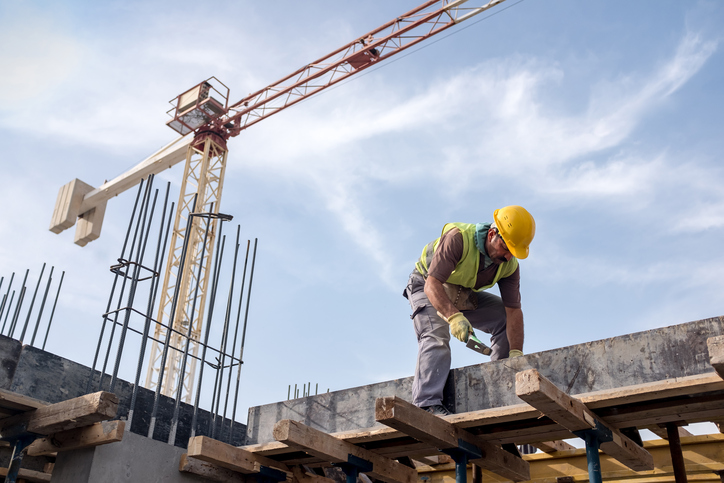
Construction sites across Colorado are inherently dynamic environments that bring together different trades, heavy machinery, hazardous materials, and the added pressure of tight deadlines. Each job site can pose a range of risks, whether it involves multi-story scaffolding, power tools, trenches, or ladders. Although robust safety standards exist, accidents remain a reality when corners are cut or unforeseen difficulties arise. This section addresses the key hazards commonly found on Colorado construction sites, underscoring why consistent adherence to safety regulations is vital for preventing severe, life-altering injuries.
Colorado’s construction industry is guided primarily by federal OSHA guidelines, along with state laws that emphasize protective measures for workers. While each worksite is unique, some foundational aspects of safety are widely recognized: ensuring structural stability of scaffolding, proper bracing of trenches, regular inspection of machinery, and the use of personal protective equipment (PPE). Failure to establish and maintain these measures exposes workers to risks of falls, electrocutions, fires, toxic exposure, and other catastrophic events. Below are some common hazards that, if not addressed properly, can lead to devastating accidents:
Colorado construction site owners, contractors, and subcontractors are tasked with recognizing these hazards and implementing safety protocols. Where a lapse in oversight or training creates an avoidable hazard, parties may face liability if injuries occur. A construction accident lawyer in Denver can help injured workers understand their rights and seek accountability for unsafe conditions.
Construction accidents in Denver, Colorado do not happen in a vacuum; they typically arise from a predictable combination of unsafe practices, environmental factors, inadequate training, or neglected maintenance. Understanding the prevalent types of construction accidents—and the typical causes behind them—is essential for reducing injuries and for guiding those who have suffered harm in asserting their legal claims under Colorado law.
(1) Frequent Types of Construction Accidents
(2) Common Causes Contributing to Such Accidents
Real-World Example (Hypothetical): Consider a situation where a newly hired worker operates a forklift at a commercial construction site without having completed relevant safety training. Because of limited visibility on the forklift’s side mirrors and the driver’s unfamiliarity with safe load limits, the machine tips over on a slope. This accident not only injures the operator but also pins another worker against a wall. Upon investigation, it emerges that the worker never attended formal training; the company’s rush to meet a deadline overshadowed proper vetting. As a result, investigators find multiple OSHA violations, including the employer’s failure to enforce forklift safety protocols. These facts strongly point to negligence on the part of the employer, a scenario common in Colorado construction accident litigation (subject to workers’ compensation rules and possible third-party involvement).
A Denver construction accident attorney can help evaluate the specifics of your incident and explain what legal options may be available.
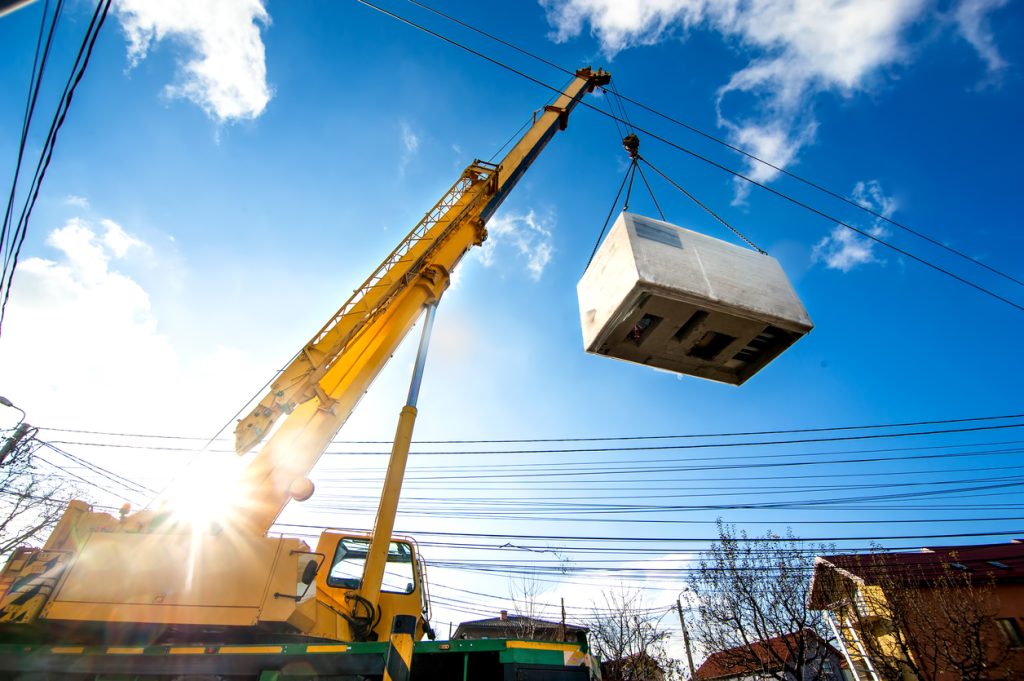
Rather than repeating OSHA references in every section, this segment centralizes key safety and regulatory considerations relevant to Colorado construction sites. By concentrating on these topics here, the discussion of liability in subsequent sections becomes clearer and less redundant.
(1) OSHA Standards at a Glance
The Occupational Safety and Health Administration (OSHA) creates a framework for safe construction practices nationwide. Although there are variations for certain industries and states, OSHA’s construction-related rules cover fall protection, scaffolding, ladders, cranes, excavation, and more. In Colorado, these federal regulations apply directly unless a state-specific standard imposes equal or stricter requirements. OSHA enforcement can include site inspections, citations, and penalties when violations are discovered.
(2) Protective Gear and Fall Arrest Systems
Proper PPE use is central to OSHA compliance. This includes:
Missing or inadequate protection, or failing to train workers properly in PPE usage, constitutes a regulatory breach that can expose employers or contractors to liability if an accident results.
(3) Guardrail and Hole Cover Protocols
Lack of guardrails is a pervasive issue in fall-related accidents. OSHA guidelines require guardrails or equivalent fall protection for platforms or walking surfaces above certain heights. Additionally, floor openings and holes must be secured with covers or guardrails to prevent unsuspecting workers from stepping or falling through. In any negligence-related inquiry, the absence of these measures can serve as evidence of a breach of duty.
(4) Machinery Lockout/Tagout Requirements
Equipment that must be serviced or repaired requires lockout/tagout procedures to ensure that machines are de-energized before maintenance begins. Failing to follow these protocols can lead to unintentional startups of equipment or motors, which can crush or maim unsuspecting workers. Where lockout/tagout steps are disregarded, a plaintiff may argue negligence per se, given the direct violation of a safety regulation.
(5) Trenching and Excavation Safety
OSHA prescribes trench safety measures, including sloping or benching the soil, installing trench boxes, and ensuring that a designated “competent person” inspects conditions daily. A collapse can occur in an instant, causing catastrophic harm. Detailed evidence of non-compliance, such as ignoring high water content in soil or failing to slope walls properly, can form the backbone of a liability claim.
(6) How Violations Affect Construction Accident Cases
Colorado recognizes that violating a safety statute or regulation designed to protect workers can serve as evidence of negligence. This concept, sometimes referred to as negligence per se, shifts focus away from debating whether a defendant owed a duty of care, enabling quicker establishment of fault. Nonetheless, plaintiffs must still connect the regulatory violation directly to the cause of their injuries for it to have full legal effect.
If you have questions about regulations or your rights following an injury on a job site, a construction accident attorney in Denver can help clarify your options.
The immediate aftermath of a construction accident can be overwhelming: pain, confusion, and uncertainty about how to protect one’s legal interests. Following clear steps soon after the incident can preserve crucial evidence and deepen the injured person’s ability to recover compensation later from eligible defendants under Colorado law.
(1) Seek Prompt Medical Attention
Even if the injury appears minor, immediate medical evaluation can identify hidden trauma (e.g., internal bleeding or mild concussions) and provide official documentation linking the injury to the workplace incident. Delaying treatment allows insurers to argue that the injury might have another cause or that it was worsened by lack of prompt care.
(2) Notify the Employer or Supervisor in Writing
Colorado’s workers’ compensation rules specify that employees generally must notify employers in writing within four days of the accident or discovery of injury. While failure to do so does not automatically bar a claim, it can result in the loss of a day’s compensation for each day the report is late. Submitting a written account ensures a record of the date, location, and manner of the accident.
(3) Collect Witness Details
If anyone saw the accident, gather their full names, phone numbers, and any email addresses or other contact information. Witness statements can corroborate your version of events, especially if liable parties later dispute how the accident happened. Memories fade over time, so having names and immediate summaries of what people saw is essential.
(4) Document the Scene
If safe, take photographs or short videos of the area where the accident occurred, focusing on potential hazards like broken equipment, puddles, exposed wires, or missing guardrails. Capture multiple angles to help show the conditions thoroughly. This visual evidence can be invaluable if the responsible party attempts to correct the hazard quickly and deny that it ever existed.
(5) Create a Personal Log of Events
Write down the timeline: what happened before the accident, who instructed particular tasks, and any details about site conditions that stood out (e.g., strange noises from a machine, a newly dug trench without supports). Also note your symptoms over time, including pain levels, doctor visits, and any communication with employers or insurers. This personal log can help you recall details that might otherwise be lost as days and weeks pass.
(6) Retain Records of Medical Treatment
Keep every piece of documentation related to medical care: doctor’s reports, imaging results, pharmacy receipts, and therapy appointments. This helps establish the cost of your injury, proving the economic harm caused. In future negotiations or litigation, accurate medical records are often the cornerstone of a fair settlement or award.
(7) Be Mindful When Talking to Insurance Adjusters
Although you might need to report certain details to your employer’s insurer to secure workers’ compensation benefits, be cautious about giving recorded statements without understanding the potential implications. Insurers may use any inconsistencies or admitted facts to minimize or refute claims. It is advisable to have a clear, concise account of the accident and to speak carefully, especially if you are still in shock or on pain medication that could impair your recollection.
(8) Evaluate Potential Third-Party Claims
Under Colorado’s exclusive remedy rule, you typically cannot sue your direct employer for negligence if workers’ compensation covers your injury. However, liability may extend to other entities, such as subcontractors, property owners, general contractors not acting as statutory employers, or equipment manufacturers. Talking with a legal professional to assess whether a third-party claim exists can help you pursue compensation for areas that workers’ compensation may not fully cover (e.g., pain and suffering).
Practical Tip: Tracking Lost Wages
In addition to medical bills, it is vital to keep a secure record of any missed workdays, reduced hours, or foregone job opportunities caused by the accident. For instance, keep pay stubs and note the difference between your pre-accident and post-accident earnings. This helps substantiate lost income or reduced earning capacity claims if you proceed with a third-party suit or seek maximum workers’ compensation benefits.
A Denver construction accident lawyer can guide you through each of these steps to help protect your rights after an injury on a job site.
Construction accident liability can be complex, particularly when multiple parties—site owners, contractors, subcontractors, product manufacturers—have overlapping responsibilities. Colorado law allows injured workers to pursue third-party claims against entities other than their direct employer, who is usually protected by workers’ compensation exclusivity. Recognizing who can be held responsible is therefore crucial for achieving full financial recovery.
(1) Site Owners and the Premises Liability Act
Under the Colorado Premises Liability Act (PLA), an owner owes a heightened duty of care to invitees such as construction workers authorized to be on the property. Typically, the owner can be held liable if it knew or should have known about hazardous conditions like structural weaknesses, open pits, or dangerous chemicals and failed to warn or remedy them. If the owner exercises control over the area of the site where the accident happens, the PLA can provide a legal basis for claims.
(2) General Contractors (Statutory Employer Considerations)
If a general contractor ensures workers’ compensation coverage for subcontracted workers, it may earn statutory employer status under C.R.S. § 8-41-401. That status generally protects the general contractor from being sued directly for negligence by the injured worker. However, if the general contractor is not in compliance or if its coverage arrangement is deficient, the injured worker might hold the general contractor liable under ordinary negligence principles.
(3) Subcontractors and Independent Contractors
Construction sites often feature multiple specialized subcontractors—plumbers, electricians, carpenters—each responsible for certain tasks. An injured worker may pursue a claim against another subcontractor if that party acted negligently. For instance, if an electrical subcontractor left live wires exposed, causing electrocution, or a crane operator employed by a different subcontractor dropped materials, leaving a worker with a traumatic injury, those third parties could face liability.
(4) Equipment and Product Manufacturers
Colorado recognizes strict liability for defective products if the injury directly results from a design, manufacturing, or warning defect. Suppose a power saw has a known defect in its blade guard that was never remedied or disclosed. A worker losing a finger could hold the tool’s manufacturer accountable if the defect was present when it left the manufacturer’s control and caused the harm.
(5) Architects and Engineers
These professionals must design safe structures that meet building codes and account for foreseeable stresses. If calculations are flawed or crucial details are omitted, leading to a partial structural collapse, injured workers might seek damages from the responsible architect or engineer.
(6) Delivery Truck Drivers or Motor Vehicle Operators
If a third-party driver’s negligence in or around a construction zone causes injury—for instance, a delivery driver strikes a worker or knocks over supplies—the injured party could sue the driver and, potentially, the driver’s employer.
(7) Safety Inspectors
Some large projects hire independent safety consultants, who assume responsibility for conducting thorough inspections. If these inspectors approve conditions that are plainly hazardous or fail to communicate identified hazards in a timely manner, and this oversight leads to an accident, they too could face liability.
Real-World Example (Hypothetical): A crane malfunctions at a construction site in Denver, dropping heavy steel beams onto several workers below. Investigations reveal a mechanical defect in the crane’s hydraulic system—a defect known to the crane’s manufacturer but not disclosed. The general contractor is deemed the statutory employer and thus immune from a direct negligence suit, but the injured workers still pursue a product liability claim against the crane manufacturer. Additionally, they discover that an outside subcontractor responsible for crane maintenance skipped critical repairs, creating an additional negligence claim.
Determining which parties are liable often requires the guidance of a construction accident lawyer in Denver who understands the complexities of these cases.
Establishing who is at fault is paramount in unlocking financial compensation. Liability often hinges on whether a party acted negligently, violated a safety statute, or, in product cases, sold a defective tool or machine. Although the exact requirements can differ by legal theory, a few main categories apply broadly in construction accident claims.
(1) Traditional Negligence
Under Colorado law, a negligence claim typically requires showing:
(2) Premises Liability for Property Owners
A premises liability claim under the PLA focuses on whether the property owner overlooked a known hazard or failed to discover a hazard it should have known about. If it is shown that the owner did not post warnings or take reasonable steps to address the issue, liability often follows.
(3) Strict Product Liability
For defective tools and machines, strict liability allows an injured worker to recover damages without proving the manufacturer was negligent. Instead, it suffices to demonstrate:
(4) Negligence Per Se (Regulatory Violations)
When a party violates a safety regulation created to protect workers, Colorado law often permits a shortcut in proving negligence. This is known as negligence per se if:
(5) Evidence Sources
Building a solid liability case generally requires multiple sources of proof, such as:
Practical Checklist for Claimants Considering Liability
If you have questions about proving fault, a Denver construction accident attorney can help guide you through the legal process.

Colorado follows a “modified comparative negligence” doctrine that enables injured parties to recover damages only if they are less than 50 percent at fault for the accident. This principle can significantly influence how liability is argued and how damage awards are negotiated or decided in court.
(1) The 49 Percent Rule
Under Colorado law, an individual who is 49 percent or less responsible for an accident may still recover damages, though their compensation is reduced proportionately to their degree of fault. If the worker is found 20 percent responsible, any award they receive is reduced by that 20 percent. However, if a jury finds the worker 50 percent or more at fault, the worker is precluded from collecting damages entirely.
(2) Applying Comparative Negligence on a Construction Site
Defendants frequently attempt to show that the injured worker ignored safety warnings, performed tasks under the influence of alcohol or medication, or otherwise disregarded standard operating procedures. For instance, if a worker knowingly removed their safety harness to move faster, the defense might argue that this decision directly contributed to a fall. Evidence like photos of posted instructions, witness testimony regarding worker behavior, and training records can sway a jury on how much fault to assign each party.
(3) Multi-Defendant Cases
Construction accidents often involve multiple at-fault parties. Under Colorado law, each defendant typically pays only the proportion of damages for which they are responsible (several liability). Juries can apportion percentages of fault among the defendants, plus any fault attributed to the plaintiff. If the plaintiff’s share is below the 50 percent threshold, the plaintiff can still recover from each responsible defendant in line with that defendant’s allocated share of fault.
Hypothetical Example: A worker’s foot slips on a loose electrical cord left by a subcontractor, causing him to fall downstairs. The general contractor also failed to install a required railing at the top of the stairs. The worker, rushing and wearing worn-out boots with little traction, ignored a posted sign cautioning about tripping hazards. A jury could parse out percentages—perhaps attributing 40 percent fault to the worker’s own carelessness, 30 percent to the subcontractor who left the cord, and 30 percent to the general contractor for missing guardrails. Because the worker is less than 50 percent at fault, the worker remains eligible for compensation, but the final award is reduced by 40 percent.
When accidents arise on a construction site, the injuries can be wide-ranging, from comparatively minor fractures to permanent, life-altering conditions. Understanding these injuries provides insight into why claims can become complicated and expensive, especially when long-term medical treatments or adaptive equipment are needed.
(1) Traumatic Brain Injuries (TBIs)
Falls from scaffolding or being struck by falling objects are frequent causes of TBIs, which include concussions and more severe cases involving loss of consciousness, memory deficits, and lasting cognitive impairment. Victims with a TBI may need years of therapy, and some lose the ability to return to construction work altogether.
(2) Spinal Cord Damage
Whether partial or complete, spinal cord damage can result in paraplegia or quadriplegia. These conditions often require full-time medical care, specialized equipment (e.g., motorized wheelchairs, lifts), and significant home modifications. The financial implications can be immense, making it vital to account for long-term needs when pursuing compensation.
(3) Broken Bones and Fractures
Slips, trips, and falls can easily lead to fractures of the arms, legs, ankles, or ribs. Even if these injuries heal, they can require surgeries, physical therapy, and a lengthy absence from work. Severe fractures sometimes leave permanent joint stiffness or chronic pain.
(4) Crush Injuries
Machinery rollovers, collapsed trenches, and falling loads can crush limbs or expose a worker to risk of suffocation. Crush injuries may necessitate amputations or extensive reconstructive surgeries, along with hospitalization for organ damage or severe bleeding.
(5) Partial or Complete Amputations
Workers using power saws, drills, or other high-powered equipment might experience limb amputations in a catastrophic incident. The emotional and physical toll of an amputation can be profound: occupational retraining may be required, and prosthetics can be expensive and in need of periodic replacement.
(6) Burns and Explosion-Related Injuries
Fires ignited by faulty wiring, chemical reactions, or fuel mishandling can cause severe burns requiring skin grafts and specialized burn-unit care. Explosions may inflict injuries ranging from external burns to internal organ trauma due to blasts.
(7) Respiratory and Chemical-Exposure Injuries
Exposure to asbestos, silica dust, or chemical fumes can result in chronic lung diseases or other long-term ailments. These conditions sometimes develop slowly; an individual might only realize the severity months or years after leaving the worksite.
(8) Psychological Trauma
Post-traumatic stress disorder (PTSD), anxiety, and depression often accompany or follow serious accidents. Colorado law recognizes emotional distress as a compensable harm in many cases, although it typically requires evidence of related medical diagnoses and treatments.
Practical Tip: Documenting “Invisible” Injuries
Soft-tissue injuries, mild concussions, and psychological conditions may not show up on initial scans or tests. Keeping a daily journal of symptoms—for instance, noting headaches, dizziness, or panic attacks—can help validate the scope and intensity of these injuries if a dispute arises about their existence or severity.
If you have suffered any of these harms on a job site, a construction accident attorney in Denver can help you understand your legal options and pursue the compensation you need.
People injured on a Colorado construction site often face steep medical bills, wage losses, and other economic and non-economic harms. While workers’ compensation offers some relief, it does not always fully address all forms of damages, prompting many workers to explore third-party claims. This section provides a broad overview of damages commonly pursued.
(1) Medical Expenses
Costs may span emergency services, surgeries, medications, rehabilitation, home healthcare, and assistive devices. The total can balloon quickly, particularly for catastrophic injuries like spinal cord damage. Thoroughly documenting these costs is essential—itemized bills, receipts for medical supplies, and bills from hospitals or clinics all help substantiate the figure in negotiations or litigation.
(2) Lost Wages and Earning Capacity
If the injury temporarily sidetracks a worker, they can claim lost wages for the period they are unable to work. More serious injuries that permanently limit the worker’s ability to perform at their previous capacity can give rise to a larger claim for loss of earning capacity. Colorado often relies on vocational experts and medical opinions to project damages for future lost earnings.
(3) Future Medical Treatment and Care
Severe injuries often mandate ongoing care, like additional surgeries, physical therapy, and mental health counseling. These must be calculated into any settlement or verdict to prevent under-compensation. Life-care planners or medical experts often provide cost estimates for years into the future.
(4) Pain and Suffering
Non-economic damages can be awarded for the physical agony, mental distress, and reduced quality of life that accompany an accident. Although Colorado law recognizes pain and suffering, it imposes statutory caps that fluctuate periodically due to inflation. Precisely tracking your ongoing discomfort and how it affects daily activities can support a more accurate assessment of these intangible losses.
(5) Emotional Distress
Fear, anxiety, nightmares, flashbacks, and depressive episodes are common after frightening or life-altering accidents. Documenting psychological therapy sessions, prescriptions for anxiety or depression, and personal journaling of episodes can strengthen a claim for emotional distress.
(6) Scarring and Disfigurement
Serious burns or deep lacerations may leave visible scars. The legal system often recognizes that disfigurement alters a person’s self-image and can affect professional or social opportunities. This can lead to additional compensation under non-economic damage categories.
(7) Property Damage
Although less frequent than personal injuries, construction accidents sometimes destroy workers’ personal tools or vehicles parked on-site. These losses can be part of a larger claim but are often overshadowed by medical and wage-related expenses.
Practical Checklist for Documenting Damages

Timely filing of a lawsuit is critical. Missing the applicable statute of limitations can nullify your ability to recover damages, regardless of how severe your injuries may be. Colorado imposes different deadlines based on the nature of the accident and the involvement of motor vehicles.
(1) Two-Year Deadline for Most Personal Injury Cases
In many construction accident situations, Colorado law requires that you file your personal injury lawsuit within two years from the date of the incident. This period ordinarily applies if the accident involves premises liability, product defects, or general negligence not involving motor vehicles.
(2) Three-Year Deadline for Motor Vehicle–Related Accidents
If the construction accident stems from a driver’s negligence (e.g., a truck delivering supplies strikes you) or involves equipment that legally qualifies as a motor vehicle, you may have three years to file. Determining whether a specific piece of construction machinery counts as a motor vehicle can be contentious, but if it does, the longer deadline could apply.
(3) Discovery Rule in Latent Injury Cases
Some injuries—particularly those involving toxic exposure or certain repetitive stress conditions—are not immediately apparent. In these instances, the “clock” for filing suit may start when the injured party discovered or reasonably should have discovered the injury and its link to the workplace. However, relying on the discovery rule often leads to disputes with the defense, which may argue that symptoms were noticeable much earlier.
(4) Importance of Prompt Action
Failing to file within the required deadline usually results in dismissal of the case. Because official investigations, witness recollections, and negotiations can take time, beginning the process months before the statute runs out is advisable.
Practical Tip: Building in a Safety Margin
Aim to consult professionals and gather documentation well in advance of the expiration date. For instance, if you assume you have two years, set a personal target to finalize your case strategy at least five or six months before that date to avoid last-minute barriers (such as delays in gathering medical or wage records).
If you have questions about how these deadlines apply to your situation, consulting with a Denver construction accident lawyer can help you better understand your rights and options.
While some construction accident cases wind up in trial, many conclude with a settlement—an agreement between the injured person and the responsible parties (and their insurers) to resolve claims without a final court judgment. Understanding the settlement process helps injured workers weigh whether to accept an offer or push for litigation.
(1) Potential Benefits of Settling
(2) Potential Drawbacks
(3) Evaluating a Settlement Offer in Colorado
(4) Negotiation Strategies
Real-World Example (Hypothetical): After a slip-and-fall at a commercial construction project, a worker sustains a serious fracture requiring surgery and physical therapy. The property owner’s insurer quickly offers an “all-inclusive” sum of $50,000 to close the matter. The worker’s medical bills already exceed $25,000, and vocational experts estimate more therapy could cost another $10,000. Considering lost wages and some measure of compensation for pain, the worker calculates the claim may be worth double or triple that amount. After renegotiation with itemized evidence of additional medical procedures, the insurer raises the offer significantly. The final settlement aligns closer to the total anticipated future needs, demonstrating the importance of carefully weighing quick offers.
If you are uncertain about what a fair settlement would be in your situation, discussing your options with a construction accident attorney in Denver can help ensure your rights and interests are protected.
Workers’ compensation is central to most Colorado construction accidents involving employer-employee relationships. This insurance system provides a no-fault avenue for injured workers to secure medical benefits and partial wage replacement. Still, it does not compensate for pain and suffering or the full extent of lost wages. Recognizing how workers’ compensation interacts with third-party claims is vital for potential overall recovery.
(1) The “Exclusive Remedy”
Under most circumstances, employees covered by workers’ compensation laws cannot pursue a negligence claim against their direct employer. This arrangement protects employers from civil lawsuits if they maintain valid coverage. Employees, in turn, receive guaranteed medical benefits and wage supplementation without having to prove employer negligence.
(2) Coverage and Benefits
Colorado workers’ compensation generally covers:
(3) Third-Party Suits in Conjunction
If an outside entity bears responsibility—say, a property owner, a manufacturer, or a subcontractor—the injured worker can file a third-party lawsuit to recover damages not offered by workers’ compensation (like full wage replacement or compensation for pain and suffering). Any money obtained from the third party is subject to subrogation rights, meaning the workers’ compensation insurer may recoup the benefits it paid.
(4) Timely Reporting and Medical Provider Rules
Colorado imposes specific deadlines for reporting job-related injuries, typically within four days in writing. Moreover, many employers designate specific healthcare providers to treat injured workers. If you default to your own physician without following these guidelines, your claim might be delayed or denied. However, there may be exceptions if the injury constitutes an emergency and immediate care is needed elsewhere.
(5) Navigating Permanent vs. Temporary Disability
Injured workers who cannot work for a period may qualify for Temporary Total Disability (TTD) benefits. If they can resume work part-time or with restrictions, they may receive Temporary Partial Disability (TPD). Upon reaching Maximum Medical Improvement (MMI), doctors assign an impairment rating that can lead to Permanent Partial Disability (PPD) or Permanent Total Disability (PTD) benefits. These determinations often become pivotal in negotiations or disputes over the final values of a claim.
Practical Tip: Keep Workers’ Compensation Records Organized
If you also plan to pursue a third-party negligence case, your documentation of payments and medical interventions under workers’ compensation can strengthen your argument about the severity of your injuries and the expenses required for full recovery. Ensure you retain explanations of benefits (EOBs), disability compensation letters, and any medical reports from authorized providers.
In addition to understanding legal theories and timelines, injured workers often benefit from small, practical steps that make a big difference in their case outcomes. Whether someone is pursuing only a workers’ compensation claim or also exploring third-party liability, the following pointers are worth noting.
(1) Tracking Lost Wages and Out-of-Pocket Costs
Maintain a spreadsheet of all accident-related expenses that may not be covered by insurance or workers’ compensation. This includes:
(2) Communicating With Medical Professionals
Be forthright about your symptoms. Mention every ache or mental health symptom you experience. Doing so ensures these conditions enter your official medical records. If later you claim compensation for back pain but seldom reported it, insurers or defense attorneys might argue that your back condition is unrelated or trumped up.
(3) Protecting Yourself on Social Media
Statements, photos, and check-ins on social media can be used against you. A picture of you carrying groceries might be misconstrued as evidence you are uninjured, even if the bags are light or you are following your doctor’s advice. Avoid posting accident details or discussing new job activities.
(4) Establishing a Recovery Support Network
Serious injuries often require emotional and practical support from family, friends, and sometimes counselors. Keep a record of any therapy sessions or group discussions about the emotional repercussions of the accident. This record supports claims for emotional distress or a diminished quality of life.
(5) Considering a Diary or Calendar of Symptoms
Beyond collecting medical documents, a calendar or diary can help track days with particular difficulties—nausea, limited range of motion, anxiety attacks, or missed events. This personal record can become a persuasive piece of evidence, showing how the injury continually affects your life.
(6) Understanding Insurance Adjuster Motivations
Insurance companies aim to settle claims cost-effectively. Their adjusters might appear sympathetic, yet they will seek statements or details that minimize your compensation. Remain polite but cautious. If you sense the conversation is pivoting toward admissions of partial fault, consider seeking guidance before providing in-depth responses.
(7) Handing Over Documentation Safely
When providing medical records or bills to a potential defendant’s insurance adjuster, strive to send only the relevant sections that pertain to your claim. Irrelevant health details can complicate negotiations or allow the defense to search for alternative explanations of your condition.
Real-World Example (Hypothetical): Louis, a construction worker from Pueblo, injures his leg when a forklift operated by a subcontractor backs into him. He collects workers’ compensation but also files a third-party suit against the subcontractor. By meticulously tracking each commute to physical therapy, every co-pay for prescriptions, and each missed shift, Louis substantiates every loss. His daily journal, noting swelling and pain, proves the forklift incident’s long-term impact, helping to counter the subcontractor’s claim that Louis “healed quickly.” Ultimately, when negotiating a settlement, this thorough documentation provides unequivocal evidence, firming up Louis’s position.
If you have questions about strengthening your case, a Denver construction accident attorney can help you navigate these important details.
If settlement efforts fail or if the parties disagree significantly about fault or damages, a lawsuit may proceed through several stages. Understanding this typical timeline can help injured workers prepare.
(1) Pleadings
(2) Discovery
(3) Motions
Parties may file motions for summary judgment if they believe undisputed facts show they should prevail as a matter of law. Courts sometimes grant such motions partially, limiting the legal issues that reach trial.
(4) Pre-Trial Negotiations and Settlement Talks
As discovery concludes, both parties have a clearer picture of the strengths and weaknesses of the case. Settlement negotiations often heat up at this stage, sometimes culminating in mediation sessions overseen by a neutral mediator who helps the parties find middle ground.
(5) Trial
If no settlement is reached, the case proceeds to trial, where a judge or jury hears evidence and argument. The jury (or judge in a bench trial) will allocate fault, apply comparative negligence if relevant, and set damages if the plaintiff has established liability.
(6) Post-Trial Motions and Appeals
Either side can file motions challenging the verdict or appealing legal errors. Appeals add more time—sometimes years—before a final resolution is reached.
Practical Tip: Set Realistic Expectations About Timing
Construction accident cases can last from a few months (if settled early) to several years (if they go through a full trial and possible appeals). Maintaining consistent documentation throughout the process and applying persistent follow-up with medical providers, attorneys, and insurers is essential to presenting a strong, cohesive case.
This page aims to streamline multiple references to guardrail requirements, OSHA compliance, and statutory deadlines into the sections where they are most relevant. By consolidating this content, the overall readability improves for individuals seeking direct guidance. Any editorial asides or references to other states have been removed to maintain a purely Colorado-centric perspective. The concept is to keep the focus on the Colorado rules that matter—like the four-day accident notification requirement, modified comparative negligence, or the various deadlines to file suit—without diluting with tangential comments.
Where a subject is mentioned in several contexts (e.g., missing guardrails), it is now primarily addressed in the sections on “Safety and Regulatory Issues” or “Common Types and Causes of Construction Accidents.” Cross-referencing within the page helps readers find what they need without wading repeatedly through the same points.
If you have questions or need guidance regarding these topics, you can discuss your situation with a construction accident attorney in Denver.
A construction accident can leave you grappling with physical pain, economic insecurity, and significant uncertainty about the future. Navigating the interplay of workers’ compensation, third-party liability, and legal deadlines can feel daunting. Below are central principles to remember:
By following these core guidelines—observing safety measures from the outset, reacting prudently in the immediate aftermath of an accident, and collecting solid proof of liability and damages—injured workers can strengthen their position under Colorado law. The process may be lengthy, and the legal rules can be intricate, but diligence and methodical preparation will help you seek the relief necessary to move forward from a construction disaster.

At Neumann Law Group, our experienced Denver construction accident lawyers are committed to guiding you through every step of the recovery process. We know how devastating a job site injury can be for you and your family, whether it’s lost wages, mounting medical bills, or the stress of an uncertain future. With a keen focus on seeking justice and fair compensation, we tailor our approach to fit your unique circumstances. If another party’s negligence caused your accident, let us help you hold them accountable. From negotiating with insurance companies to presenting a compelling case in court, our legal team is ready to advocate for a positive resolution. Contact us Today for a Consultation and let us discuss how to safeguard your rights and pursue the financial relief you deserve. Call (800) 525-6386 to put dedicated legal counsel in your corner. We serve injured clients across the greater Denver area.