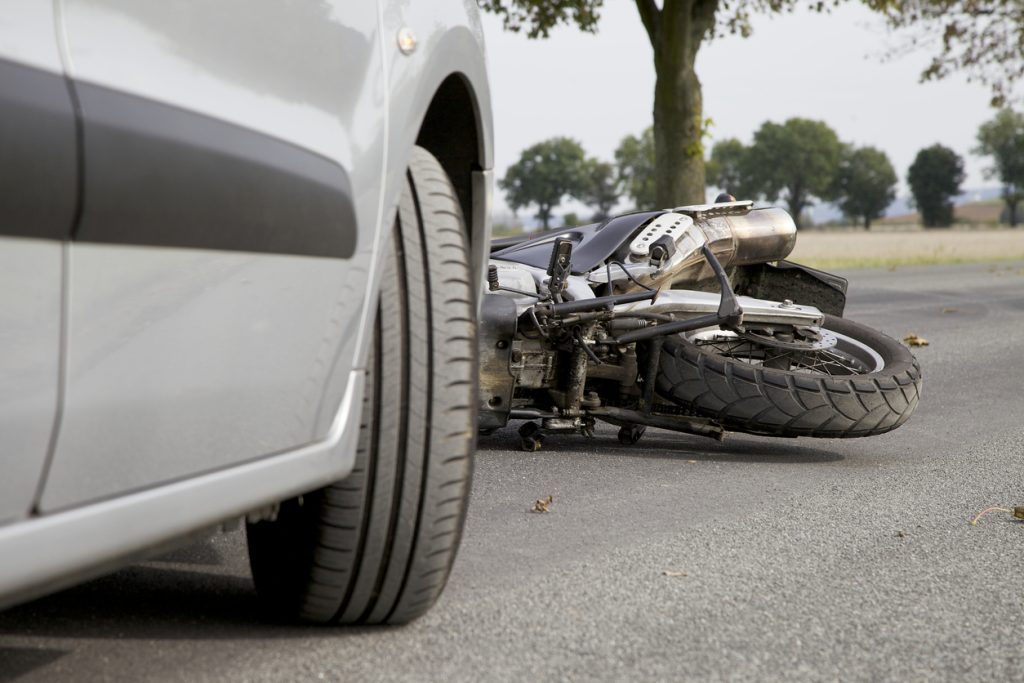
Motorcycle accidents can lead to severe injuries, costly medical bills, and painful recovery periods, leaving victims feeling overwhelmed and uncertain. At Neumann Law Group, our experienced Denver motorcycle accident lawyers are dedicated to helping injured riders navigate the legal process, pursue fair compensation, and move forward with greater peace of mind. We understand the complexities of these cases and work diligently to protect your rights while you focus on healing. From investigating the accident to negotiating with insurance companies, our commitment is to provide personalized representation tailored to your unique circumstances. Learn about your options, protect your interests, and let us stand by your side every step of the way. If you have questions or need guidance, call (800) 525-6386 today to schedule your Consultation. We strive to serve the Denver community with compassionate legal counsel that seeks the best possible outcome for every client. Seek caring legal help.
Different Types of Motorcycle Accidents in Colorado
Motorcycle accidents span a broad range of real-world traffic scenarios, each with unique risk factors under Colorado law. Because motorcycles have minimal external protection, the consequences of a collision can be extreme for the rider. Recognizing the variability of accident types is crucial for both prevention and effective legal action if injuries do occur:
Head-On Collisions. A head-on collision often involves two vehicles traveling in opposite directions. When one driver crosses the center line and strikes a motorcycle head-on, the combined speed of both vehicles intensifies the force of impact. The rider may suffer life-altering injuries due to the direct nature of the collision. Under Colorado law, proving negligence could involve demonstrating that the oncoming vehicle’s driver failed to maintain the proper lane—a breach of the traffic statutes in Title 42 of the Colorado Revised Statutes.
Rear-End Collisions. Motorcycles can stop more quickly than cars and trucks. Consequently, a driver who tailgates and does not allow sufficient stopping distance risks hitting the motorcycle from behind. Even a relatively light rear impact can throw a motorcyclist off balance or off the bike entirely, risking severe injuries. In some cases, if the motorcyclist was lawfully stopped in traffic and the rear driver was distracted, liability will focus primarily on the driver who failed to maintain control.
Broadside Collisions (T-Bone). These often occur at intersections when drivers run red lights, roll through stop signs, or make left turns without noticing an oncoming motorcycle. Because the vehicle strikes at a perpendicular angle, the motorcyclist may receive a direct lateral impact. The risk is significant given that motorcycles provide minimal side protection.
Sideswipe Accidents. When a driver drifts into the adjacent lane or fails to see a motorcycle in a blind spot, a sideswipe collision can happen. Even a small nudge can result in the motorcycle losing stability, especially at moderate or high speeds. Depending on how the collision unfolds, a rider may be forced off the road and sustain injuries from hitting obstacles or other vehicles.
Single-Vehicle Accidents. Sometimes, motorcyclists experience crashes without colliding with another vehicle. Potholes, loose gravel, slick pavement, and other road hazards can destabilize a bike. Riders are especially vulnerable to uneven surfaces, mechanical failures, or handling mistakes. Though no other driver is involved, the cause could still point to a governmental entity responsible for the road or a repair shop if poor maintenance contributed to the crash.
Multi-Vehicle Collisions. In busy or congested traffic, chain-reaction collisions can involve multiple drivers and one or more motorcycles. Pinpointing liability in these crashes often demands a detailed review of the sequence of events, since several drivers might share fault. Accident scene reconstruction, witness statements, and physical evidence all factor heavily into determining accountability.
A clear understanding of these accident types equips both riders and other motorists to recognize high-risk environments and avoid dangerous maneuvers. For legal claims, analyzing how a collision happened is typically the first step in attributing fault. By categorizing the incident, an injured rider can more effectively gather evidence and, when necessary, comply with specific procedural requirements under Colorado law.
If you have suffered injuries in any of these situations, consulting a motorcycle accident lawyer in Denver can help you protect your rights and pursue compensation.
Key Causes of Motorcycle Accidents in Colorado
Motorcycle accidents stem from a wide range of preventable and unpreventable factors. Colorado’s traffic laws—found chiefly in Title 42 of the Colorado Revised Statutes—aim to reduce these risks by setting rules for vehicle operation, licensing, and roadway conduct. Still, accidents occur due to:
Distracted Driving. Modern dashboard consoles, cell phones, and other in-car distractions can be disastrous. Even a brief glance at a phone can result in overlooking a motorcycle. Colorado statutes prohibit text messaging while driving, yet violations remain frequent. Because a motorcyclist occupies less visual space, a distracted driver may fail to see them in time.
Drunk or Drugged Driving. Operating a vehicle while impaired by alcohol, marijuana, or other drugs poses a major highway safety threat. Colorado law sets strict blood alcohol content (BAC) limits and imposes severe penalties for driving under the influence. For a motorcyclist, encountering a driver who is weaving in and out of lanes or ignoring traffic signals can lead to catastrophic injuries.
Fatigued Driving. Drawing parallels to impaired driving, fatigued driving reduces alertness and reaction time. If a driver drifts between lanes or misjudges distances because of drowsiness, all it takes is a minor mistake to cause a motorcycle accident. Fatigue-related collisions can be difficult to prove, highlighting the importance of any evidence showing erratic driving or extended driving hours.
Tailgating by Cars. Following too closely is particularly unsafe when the vehicle ahead is a motorcycle that can brake quickly. Since Colorado traffic rules mandate drivers to maintain a reasonable and prudent following distance, tailgating can serve as compelling evidence of negligence if a collision ensues.
Road Rage. Aggressive driving behaviors—speeding, unsafe lane changes, honking excessively, or cutting others off—raise the likelihood of a violent crash. Road rage incidents sometimes involve deliberate actions that can open the door to punitive (exemplary) damages, discussed later in this page, if it can be shown that the conduct was willful, wanton, or reckless.
Unsafe Lane Changes. Because motorcycles often get lost in blind spots, drivers must check both mirrors and perform shoulder checks before merging or changing lanes. Failure to do so may constitute a breach of the driver’s duty of care under Colorado law.
Issues with Speeding. Speeding vehicles reduce reaction times and increase stopping distances. Even small errors at higher speeds can have multiplied consequences in terms of injury severity. The risk to a motorcyclist, whose body is more exposed, is dramatically heightened in high-speed collisions.
Lane Splitting or Filtering Unlawfully. Although the recent legal updates allow limited lane filtering at very low speeds in specific circumstances, traditional lane splitting (weaving between moving vehicles at higher speeds) is generally prohibited. Violating these regulations can complicate or diminish a rider’s liability claims if an accident happens.
Defective or Poorly Maintained Motorcycle Components. Tires, brakes, or other mechanical systems can fail without warning if they suffer from manufacturing defects or poor maintenance. Under Colorado’s product liability and negligence rules, sellers, manufacturers, or repair providers may share fault if a malfunction significantly contributes to an accident.
Substandard Road Conditions. The mountainous terrain and often unpredictable weather of Colorado can produce potholes, ice, and loose gravel. A municipality or state authority that fails to address known road hazards might bear liability if the defect is a proximate cause of a crash. As covered later, these claims against government entities involve specific notice requirements set out in the Colorado Governmental Immunity Act.
Both motorcyclists and other drivers can reduce accident risks by observing Colorado’s traffic laws, staying vigilant, and focusing on safe roadway behavior. Tailoring defensive driving strategies to local conditions—whether it is high-altitude mountain roads or dense urban areas—helps to reduce collisions, injuries, and protracted legal disputes. When these accidents occur, a Denver motorcycle accident attorney can help guide victims through the complexities of Colorado law and liability.
Recent Updates to Lane Splitting and Filtering in Colorado
Colorado once prohibited all forms of riding between lanes. However, a legislative shift set to take effect in 2024 introduced narrowly tailored rules that legalize lane filtering under certain circumstances. These changes appear in the statutes governing motorcycle operation in Title 42 of the Colorado Revised Statutes:
Lane Splitting Still Prohibited at Speed. Traditional lane splitting, or passing between lanes of moving traffic at higher speeds, remains unlawful. A motorcyclist caught weaving between cars that are moving at normal speeds violates state traffic laws.
Lane Filtering Permitted at Low Speeds. Under the updated law, a motorcyclist may move between lanes when surrounding traffic is completely stopped or nearly stopped, and only if the rider maintains a defined low speed (often set around 15 miles per hour). Furthermore, the road’s posted speed limit must not exceed certain thresholds outlined in the statute. The rationale is to reduce rear-end collisions in stop-and-go congestion and lessen the chances of a motorcyclist getting pinned between vehicles.
While limited lane filtering might enhance motorcyclist safety in cramped conditions, it also raises new liability questions. If a rider was filtering improperly by exceeding the designated speed or doing so in circumstances not allowed by law, an insurance adjuster or court might determine that the rider shares fault for any resulting crash. On the other hand, adherence to the low-speed filtering rules can bolster a rider’s position, as compliance with traffic regulations typically weighs in favor of the injured party. The principles of Colorado’s modified comparative negligence framework (C.R.S. § 13-21-111.5) apply, and riders found more than 50 percent at fault could be barred from recovery entirely. Consequently, it is vital for Colorado riders to stay within the bounds of permissible lane filtering and for other motorists to remain alert for lane-filtering motorcycles in heavy traffic.
Helmet Use Under Colorado Law
Colorado does not require riders and passengers over 18 to wear helmets, but it mandates helmets for younger riders under age 18, who must wear helmets that meet minimum safety standards (such as Department of Transportation-approved designs). While adult riders may choose not to wear helmets, several legal implications arise in the event of an accident:
Helmet Rules for Minors. Any rider or passenger under 18 must wear approved headgear. Violating this requirement can result in citations and potentially complicate an injury claim if a minor is hurt and was not following the law at the time of the crash.
No Direct Impact on Comparative Negligence (for Causing the Accident). Typically, not wearing a helmet does not prove that a rider caused an accident. Colorado courts generally do not allow the absence of a helmet to show direct fault in the collision.
Potential Influence on Damage Calculations. In cases involving head or brain injuries, defense arguments may claim the rider failed to mitigate damages by not wearing protective headgear. As a result, the severity and extent of injuries could be challenged if there is credible medical testimony linking the lack of a helmet to the worsened outcome.
Jury Perception. Although the law supports an adult rider’s choice to forgo a helmet, jurors sometimes view this decision skeptically, especially in cases alleging severe head trauma. A carefully prepared legal strategy and medical evidence can counter any implication that the rider’s injuries are entirely self-inflicted.
Eye Protection Requirements. Colorado generally mandates that all riders—regardless of age—wear some form of eye protection, such as goggles or a face shield. Visibility is crucial on Colorado’s roads, particularly at higher elevations where debris or insects can be more prevalent.
Although the choice not to wear a helmet is lawful for adults, doing so can spare a rider from significant medical complications. Legally, wearing a helmet may reduce legal disputes over injury severity and help preserve a strong claim if another driver’s negligence causes a crash. A motorcycle accident attorney in Denver can help guide you on how helmet use might impact your case and protect your rights after a crash.
Medical Payments Coverage (Med-Pay) for Motorcyclists
Colorado typically requires insurance carriers to offer Med-Pay (medical payments coverage) to policyholders, and many motorcycle owners carry it, albeit sometimes in lower amounts than automobile policies. Key points regarding Med-Pay include:
Immediate Coverage Regardless of Fault. Med-Pay pays for medical and ambulance costs, up to the policy limits, for the insured rider after an accident—no matter who caused the collision. This can be especially valuable in severe crashes where the rider faces large emergency bills.
Possible Waiver in Writing. Motorcyclists sometimes opt out of Med-Pay coverage to reduce premium costs. If unsure whether you have Med-Pay, review your policy carefully. Retaining Med-Pay can often be worth the relatively small monthly increase.
Subrogation and Coordination with Other Policies. If your Med-Pay insurer covers initial medical bills, the insurer may later seek reimbursement from an at-fault party’s insurer. This behind-the-scenes process does not typically reduce what the injured rider can recover in a personal injury lawsuit.
Coverage Limits. Many Med-Pay policies provide only a few thousand dollars, which might fall short of extensive hospitalization or long-term care needs. Riders should consider whether additional health insurance, uninsured/underinsured motorist (UM/UIM) coverage, or higher Med-Pay limits would offer better financial security in a serious accident.
Having Med-Pay is not a guarantee of full compensation but can help an injured rider keep medical bills in check while pursuing a larger claim against a negligent driver or other responsible parties.
Critical Steps After a Motorcycle Accident
The immediate aftermath of a crash can seem overwhelming, yet each action (or inaction) can significantly affect a later claim. Under Colorado law, evidence preservation and timely notifications are crucial:
Seek Medical Attention. Even if you believe your injuries are minor, see a medical provider promptly. Bruises, soft-tissue damage, or internal injuries might appear gradually. Documenting all medical evaluations creates a definitive record linking the accident to your injuries.
Contact Law Enforcement. Under certain circumstances, Colorado law requires that accidents involving injuries or significant property damage be reported to the authorities. Request an officer at the scene, and ensure they complete an official accident report. Offer factual statements, avoiding speculation as to fault or cause.
Collect Information. Write down the other driver’s name, address, license plate, and insurance details. If there are witnesses, ask for their contact information. A neutral eyewitness account can be instrumental in countering exaggerations or misrepresentations by an adverse party.
Photograph or Film the Scene. Use your phone to capture images of vehicle damage, roadway conditions, weather, skid marks, and any visible injuries. Detailed pictures offer valuable verification of your version of events. This step is particularly important on Colorado’s mountain roads, where factors like gravel, slopes, or guardrails (or the lack thereof) might have contributed to the crash.
Be Cautious About Social Media. Posting pictures or updates about the accident or your injuries can later be used to dispute your claim. Opposing insurers might comb through social media to find anything that undermines your descriptions of pain or limitation.
Consider Prompt Legal Guidance. The complex interplay of Colorado’s traffic regulations, comparative negligence rules, and insurance coverage often benefits from timely legal assistance. While not required by law, retaining professional help can prevent oversights, such as missing notice deadlines in government-related claims or letting critical evidence slip away.
Time and clarity matter. Engaging in these steps shortly after the collision helps preserve your rights and sets a stronger foundation for any claims. Denver motorcycle accident attorneys can assist with navigating these challenges and ensuring your interests are protected.
Liability Beyond the Other Driver
Many injured motorcyclists instinctively file claims against the driver who struck them. While this is common, Colorado law allows broader liability in some cases:
Negligent Driver of a Car or Truck. Nearly every motorcycle claim will at least evaluate the role of the driver who made a dangerous maneuver or otherwise broke traffic laws. If that driver was distracted, speeding, or drunk, liability may be relatively straightforward to establish.
Employers of the Negligent Driver. Under a legal principle often referred to as “vicarious liability,” an employer who authorizes an employee to drive for job-related tasks can share fault if the employee’s negligence led to the crash. Companies might also be directly liable if poor hiring or scheduling practices enabled unsafe driving.
Motorcycle or Parts Manufacturer. Strict product liability can attach if a design or manufacturing defect in the motorcycle caused or worsened the crash. A brake failure, defective tire, or flaw in the throttle system may establish fault against the manufacturer or distributor, regardless of whether they acted negligently.
Maintenance or Repair Shops. An improperly installed part or shoddy repair that compromises safety can make a repair shop partially liable. Demonstrating this link might involve mechanical inspection reports or the testimony of a qualified mechanic (or an equivalent professional) who can confirm the flaw.
Governmental Agencies. In Colorado, municipalities, counties, and state authorities are sometimes responsible for failing to maintain safe roads or proper signals. These claims proceed under the Colorado Governmental Immunity Act (C.R.S. 24-10-101, et seq.), a set of statutes specifying notice deadlines and damage caps.
Identifying all liable parties can be essential for appropriate compensation, especially if one defendant has only minimal insurance coverage. It is crucial to investigate all angles rather than limiting a claim to just the other driver.
Government Claims: Road Defects and Immunity Issues
Colorado’s Governmental Immunity Act sets additional hurdles for anyone attempting to hold a public entity responsible for a motorcycle accident. Issues often include:
Notice Requirements. A claimant usually must submit written notice of the claim within a few months of the accident. Missing these deadlines (often 180 days from the incident, though some exceptions may apply) can bar the claim entirely, regardless of its merits.
Immunity and Exceptions. Government entities typically have immunity unless the situation fits a statutory waiver—like dangerous conditions on roads or traffic signals. Even when a waiver applies, damage caps limit how much can be recovered from a municipality or the state.
Causation and Severity of Defect. The defect or hazard—like a massive pothole, debris from road construction, or a defective guardrail—must be shown to be a proximate cause of the accident. If the road condition was inconsequential or easily avoidable, the claim might fail.
Because of these complexities, those injured in single-vehicle crashes on poorly maintained roads or in collisions exacerbated by missing signage should gather evidence quickly. Photos of the hazard, maintenance logs, and earlier complaints lodged by other citizens (if obtainable) can help counter government arguments that immunity applies or that the driver alone was at fault.
If you are facing challenges after a crash caused by hazardous road conditions, contacting a motorcycle accident lawyer in Denver can help you understand your legal options.
Proving Negligence or Product Liability
Securing compensation usually depends on demonstrating liability, which can fall under negligence or product liability theories:
Negligence. To prevail, an injured motorcyclist must prove the defendant owed a duty of care, breached that duty, and caused injury resulting in measurable damages. For example, a speeding driver in violation of Colorado’s traffic statutes may be presumed to have breached the duty of care if the speeding proximately caused the crash.
Product Liability. Colorado recognizes strict liability for defective products, meaning a motorcycle maker, parts supplier, or distributor can be held liable if: (1) the product was unreasonably dangerous, (2) the defect existed when it left the defendant’s control, and (3) the defect caused or aggravated the injuries. Negligence need not be shown; what matters is the existence of the defect and its role in causing harm.
Pre-Existing Injuries or Conditions. Defendants often argue that an injury was already present before the crash. While Colorado does not allow recovery for damage unrelated to the collision, it does recognize the principle that a defendant “takes the victim as they find them.” If the motorcyclist had a prior back injury that was aggravated significantly by the new crash, the rider can generally recover for the exacerbation, so long as medical records support the causal link.
Role of Professionals in Establishing Liability. Accident reconstruction professionals, biomechanical analysts, and medical providers may contribute specialized findings that demonstrate fault or clarify how injuries progressed. Although Colorado law does not require the use of outside professionals in every case, many disputed claims benefit from such detailed insight, particularly where multiple factors contributed to the collision.
Determining liability is not always straightforward. Combining legal statutes, roadway evidence, mechanical analyses, and medical documentation can produce a comprehensive picture of who bears financial responsibility for the rider’s losses.
Crucial Evidence for a Colorado Motorcycle Claim
Compiling robust evidence strengthens any claim and can influence both settlement negotiations and courtroom outcomes. Key forms of documentation include:
Photographs and Videos. Images from the crash site—skid marks, vehicle positions, road conditions—are often more persuasive than witness testimony alone. If the accident occurred on a winding mountain road, pictures might show the curve of the road or hidden hazards that contributed to the collision.
Police Reports. An official report usually contains preliminary findings about fault, statements from witnesses, and notes on traffic violations. While not conclusive proof of liability, it can guide insurers and courts on how the collision likely occurred.
Accident Reconstruction. In complex multi-vehicle crashes or high-speed impacts, reconstruction professionals can approximate factors like speeds, angles of impact, and braking distances. Their technical evaluations can validate a party’s account of the events.
Eyewitness Accounts. Independent witnesses are especially valuable. Passengers on the motorcycle can also testify, but they may be seen as less neutral than a bystander. Collecting a diversity of witness perspectives helps paint a more accurate picture.
Medical Records. Detailed diagnoses, imaging studies, and doctor’s notes substantiate injury claims. By illustrating how symptoms appeared and evolved, these records can preempt defense assertions that the injuries were unrelated or minor.
Documentation of Pre-Existing Conditions. If you had a prior injury to the same body region, keep records that show its nature, any treatment, and how stable or resolved it was before the new crash occurred. Doing so can help prove that the collision made the existing problem worse, rather than simply recapitulating old pain.
Social Media Activity. While not “evidence” a rider typically wants to produce, social media can become a focal point if defense attorneys uncover posts inconsistent with alleged injuries. Consequently, injured riders should exercise caution, as pictures of physically demanding activities might be spun to suggest they were not truly hurt.
Colorado follows an evidence-based approach in personal injury proceedings. The better a motorcyclist documents the circumstances of the accident and injuries, the stronger the foundation for negotiating or litigating a fair outcome. If you have questions about compiling evidence for your claim, a Denver motorcycle accident attorney can help you understand your options and ensure you take the right steps.
Colorado’s Modified Comparative Negligence Rule
Under C.R.S. § 13-21-111.5, Colorado employs a modified comparative negligence standard in personal injury actions. This doctrine apportions fault among all negligent parties, including the plaintiff (the injured rider). The key features are:
50 Percent Threshold. If a rider is found more than 50 percent responsible for the accident, they cannot recover damages. For example, if the court finds the rider 55 percent at fault, there is no compensation—regardless of the severity of injuries.
Reduction of Damages. If the rider’s share of fault is 50 percent or less, the damage award is reduced by that percentage. Suppose a judge or jury decides the rider was 20 percent at fault and the total damages are $100,000. The rider would receive $80,000 after the 20 percent reduction.
Multiple Defendants. In multi-vehicle or product liability scenarios, a jury can assign distinct percentages of fault to each party. The rider’s overall compensation is reduced by the rider’s own percentage of fault, with the remaining liability divided among the other defendants.
Impact on Settlement. During negotiations, insurers regularly stress any blame they can place on the rider to reduce settlement offers. Thorough evidence—such as proving legal lane filtering compliance or demonstrating that the rider was traveling within speed limits—can counter an insurer’s attempts to inflate the rider’s share of fault.
Strategic use of evidence, witness accounts, and mechanical or medical findings can help keep a motorcyclist’s comparative fault percentage low. Because just a small swing in fault allocation can mean a drastic change in recovery, understanding this rule is critical to any Colorado motorcycle claim.
Common Injuries Suffered by Motorcyclists
Due to the open nature of motorcycles, riders risk more severe injuries than most occupants of enclosed vehicles. Typical injuries include:
Traumatic Brain Injuries (TBIs). Even with a compliant helmet, forceful impacts can lead to concussions or more severe brain trauma. Hospital stays or rehabilitation services may be required, and the victim could experience long-term cognitive declines, memory lapses, or mood changes.
Spinal Cord Injuries. A fractured or dislocated vertebra can damage the spinal cord, sometimes leading to partial or total paralysis. The high medical expenses associated with spinal cord injuries typically include surgeries, physical therapy, and home modifications.
Broken Bones and Fractures. Collisions frequently cause significant fractures in the wrists, arms, legs, ribs, or pelvis. The healing time can be extensive, and serious fractures sometimes demand multiple surgeries with internal fixation devices.
Road Rash and Skin Abrasions. Sliding along pavement can strip away layers of skin, causing painful road rash. Severe cases might require skin grafts, bearing both physical and mental scars.
Internal Organ Damage. High-impact collisions can rupture or lacerate internal organs, such as the liver or spleen. Timely trauma care is critical, but victims may also face prolonged recuperation and the possibility of permanent damage.
Amputations and Crush Injuries. If a motorcycle becomes trapped under a larger vehicle—or if a limb is crushed by the impact—surgeons might have no choice but to amputate. Adjusting to prosthetics and adapting to a new lifestyle becomes a major concern for many riders.
Soft-Tissue Injuries. Ligament sprains, tendon tears, and muscle strains can appear relatively minor compared to fractures or head injuries, but these conditions can still cause chronic pain and mobility issues.
When such injuries prove fatal, Colorado’s wrongful death statutes come into play. Surviving family members, such as a spouse or children, may file a wrongful death claim within legally prescribed windows (usually two years, though the earliest right to file is exclusive to the spouse in the first year after death). The claim can seek compensation for financial losses, funeral expenses, and intangible emotional harm. If you are facing the aftermath of a serious crash, a motorcycle accident attorney in Denver can help you pursue the compensation you deserve.
Potential Damages and Colorado Statutory Caps
In a successful motorcycle accident claim, Colorado law permits recovery of both economic and non-economic losses. The exact amount depends on the severity of injuries, the level of fault, and whether caps apply:
Medical Expenses. Recoverable costs can include hospital stays, surgery, medication, rehabilitative therapy, assistive devices, and future treatment expenses. Given that some motorcycle crash injuries require extensive care, calculating long-term needs often involves input from medical providers and financial planners.
Lost Wages and Earning Capacity. Compensation covers measurable income lost during recovery. If permanent injuries preclude a return to a former job or limit future earning potential, a rider may claim diminished earning capacity. Employment records and evaluations by vocational consultants may be used to demonstrate these losses.
Property Damage. Damages typically include costs to repair or replace the motorcycle, riding gear, and any other personal belongings destroyed in the crash. Keeping receipts for repairs or market value documentation helps substantiate the claim.
Pain and Suffering. Colorado recognizes non-economic damages for physical pain, discomfort, and permanent disfigurement. However, statutes limit (or “cap”) the amount awarded for pain and suffering in many personal injury scenarios. These caps adjust periodically for inflation.
Emotional Distress and Mental Anguish. Riders often endure psychological trauma, such as post-traumatic stress or anxiety about riding again. Treatment costs and documented diagnoses can be part of a damages calculation.
Loss of Enjoyment of Life. A serious motorcycle accident might mean forfeiting hobbies or missing out on important life events. Damages can account for reduced ability to participate in family, social, and personal activities.
Loss of Consortium. A spouse may pursue a loss of consortium claim if the injured rider’s condition interferes with companionship, affection, or other aspects of marital intimacy. This is sometimes combined with pain-and-suffering claims but remains a distinct category in Colorado personal injury law.
Punitive (Exemplary) Damages. Under C.R.S. 13-21-102, punitive damages may be awarded in Colorado if evidence shows the defendant acted with willful, wanton, or reckless disregard for the safety and rights of others. This might arise, for instance, if a driver deliberately tried to harm a motorcyclist or engaged in extreme road rage. Punitive damages aim to punish and deter particularly egregious behavior and are awarded in addition to compensatory damages. Colorado law imposes certain limitations and procedures for seeking these damages, often requiring clear evidence that the defendant’s conduct rose far beyond ordinary negligence.
Because of these statutory nuances, receiving the maximum allowable compensation often calls for thorough documentation and a precise legal approach. In severe injury situations, a rider should regularly evaluate medical progress, financial burdens, and other life impacts to ensure all losses are considered.
Insurance Coverage Considerations for Colorado Riders
Insurance coverage plays a pivotal role in the aftermath of a motorcycle collision. Although Colorado requires all motor vehicles—including motorcycles—to maintain minimum liability coverage, these limits may prove insufficient when injuries are serious:
Liability Insurance. The at-fault driver’s liability policy typically covers a rider’s injuries up to the policy limits. If the driver only meets the state minimum, this may not cover extensive hospitalization or lost wages.
Uninsured/Underinsured Motorist (UM/UIM) Coverage. Riders can secure additional protection through UM/UIM, which pays out if the at-fault party has no insurance or carries insufficient coverage. Often, motorcyclists discover that the driver who hit them is underinsured, making UM/UIM crucial in bridging the gap.
Collision and Comprehensive. These cover damage to the motorcycle itself, irrespective of fault. Colorado’s variable weather and potential for wildlife collisions (e.g., hitting a deer on a mountain road) make it wise for many riders to maintain collision/comprehensive policies.
Medical Payments (Med-Pay). As discussed, Med-Pay helps pay immediate medical costs. Though typically offered, some riders waive it to reduce premiums. Assessing whether you have Med-Pay—and how much—is essential, given the heightened risk of serious injury on a motorcycle.
Partial Adequacy of UM/UIM Coverage. Even if the at-fault party’s insurance pays out to its limit, the rider can look to UM/UIM coverage for additional funds if the total damages exceed what the at-fault insurer provided. This layered approach can be lifesaving financially, especially when facing long-term medical issues or permanent impairment.
Coordination with Health Insurance. Medical bills exceeding Med-Pay limits may be paid through health insurance, though insurers can sometimes assert subrogation claims against any settlement. Meticulous recordkeeping is key to ensuring that different coverage sources are applied without duplicating or losing benefits.
The interplay between these coverages can complicate settlements, as each insurer tries to limit its exposure. Understanding your policies—especially the details of UM/UIM—and documenting the extent of your injuries will help in obtaining a fair recovery.
A Denver motorcycle accident lawyer can help you navigate insurance issues and protect your right to compensation.
Multiple Defendants and Apportionment of Fault
When more than one party bears responsibility for a motorcycle accident, the legal process can become significantly more layered. Under Colorado’s comparative negligence statute (C.R.S. 13-21-111.5):
Identifying Every Liable Party. Potential targets include an inattentive driver, an employer pushing unrealistic delivery deadlines, a repair shop that performed faulty maintenance, or a parts manufacturer whose defective product caused a failure. Including all potentially responsible entities may increase the overall pool of available compensation.
Percentage Allocations. A judge or jury weighs the evidence to assign each party a percentage of fault. For instance, the at-fault driver might receive 60 percent, the motorcycle repair shop 20 percent, and the rider 20 percent. Damage awards are then adjusted accordingly, and the rider’s share of fault reduces the net recovery.
Settlement with Some Parties, Trial Against Others. It is not unusual for a rider to settle with one defendant while continuing to litigate against others. Settling can remove the uncertainty and cost of a trial, but the rider must be cautious about how the settlement affects remaining claims.
Importance of Consistent Narratives. The rider’s account of events—and the supporting evidence—must be carefully aligned to avoid contradictory positions in multi-defendant cases. Each defendant may attempt to point to the other as primarily negligent.
The apportionment of fault can be decisive for how much, if any, compensation a rider ultimately collects. Thorough investigation of all possible contributors to the crash is pivotal, especially when medical expenses and lost wages are high.
Statute of Limitations for Motorcycle Accidents
Colorado sets firm timeframes for initiating personal injury and wrongful death claims. Missing these deadlines typically results in forfeiture of legal rights:
Three-Year Period for Motor Vehicle Accidents. When the crash involves another motor vehicle (car, truck, or bus), Colorado law (C.R.S. 13-80-101) generally provides up to three years from the date of the accident to file a lawsuit. This applies to most collisions involving traffic vehicles on public roads.
Two-Year Period for Non-Vehicle Incidents. In some single-vehicle scenarios where the accident may not be classified as a “motor vehicle accident” under the statute—perhaps a collision with a stationary object or a defective roadway sign not involving another moving vehicle—the time limit might be only two years (C.R.S. 13-80-102). Determining which classification applies can be nuanced.
Wrongful Death Timeline. For fatal accidents, a two-year deadline (generally) also applies to wrongful death claims, but the first year is usually reserved for the spouse to file the suit. If the spouse does not act, children might file in the second year. Precisely tracking these deadlines is crucial.
Government Claims. When a local or state entity may be liable for improper road maintenance or other negligence, the Colorado Governmental Immunity Act notice period can be as short as 180 days from the incident. Failing to file a timely notice typically bars the claim.
Exceptions. There can be limited exceptions—such as a rider under legal disability or a defendant who hides to avoid service—but these are narrow and rarely extend the filing period for more than a short time.
Riders who are severely injured may spend significant months focused on medical recovery and may overlook approaching deadlines. Preserving evidence and seeking legal recourse sooner rather than later are wise strategies to avoid missing a crucial filing window.
If you need guidance navigating these deadlines, consulting a motorcycle accident attorney in Denver can be extremely helpful.
Wrongful Death Actions for Families of Motorcycle Accident Victims
When a motorcycle collision tragically results in death, specific Colorado statutes govern who may file and what damages can be recovered:
Standing to File. In the first year after the fatal accident, the surviving spouse generally holds the exclusive right to bring a wrongful death action. In the second year, the decedent’s children or designated heirs might join or file an action if the spouse has not.
Recoverable Damages. Family members can pursue funeral and burial costs, lost financial support the decedent would have provided, and intangible losses like companionship, guidance, and emotional anguish. Colorado law may impose caps on non-economic damages in wrongful death cases, which shift over time based on inflation.
Comparative Fault and Defense Arguments. If the decedent motorcyclist shares a portion of fault above 50 percent, the wrongful death claim will likely fail. Even if partial fault is attributed to the rider, the ultimate damages could be reduced correspondingly.
Potential Claims for Exemplary Damages. If evidence reveals that the defendant acted recklessly or with wanton disregard for the victim’s safety, punitive damages might be sought. Especially egregious forms of misconduct—such as drunk driving or deliberate aggression—can open the possibility of such an award.
Statute of Limitations. Wrongful death claims must generally be filed within two years of the date of death, although there are narrow exceptions. Observing this timeline is essential, as missing it can bar the family from any recovery.
Navigating a wrongful death proceeding can be emotionally and legally challenging. Families often seek damages not just for economic losses but also for the emotional vacuum created by losing a loved one.
Settlements and Trial Strategies in Motorcycle Accident Cases
Most Colorado motorcycle injury claims resolve through negotiated settlements rather than full-blown jury trials. However, understanding how the process flows can help riders make informed decisions when an insurance adjuster presents an offer:
Early Settlements. Immediately after the accident, an at-fault driver’s insurer may propose a quick settlement, sometimes for a modest sum. Accepting without proper evaluation risks undervaluing future medical needs or other losses. Once you sign a release, you generally cannot reopen the case.
Discovery Phase. If settlement talks falter, formal litigation can begin. Each side investigates the facts, exchanging medical records, repair estimates, accident reconstruction data, and witness depositions. Even during discovery, parties can settle if a mutually acceptable amount is proposed.
Evaluating Settlement Offers. A fair settlement typically covers medical expenses, lost income, property damage, and a reasonable figure for non-economic losses (like pain and suffering). In serious injury cases, the long-term outlook (i.e., permanent disability, future surgeries) must be accounted for. If the rider’s injuries are catastrophic, an offer that only addresses immediate expenses might be grossly insufficient.
Trial Considerations. Trials can be unpredictable and costly. The rider’s credibility, witness testimony, accident reconstruction analyses, and potential jury biases toward motorcyclists may influence the outcome. While a jury award can exceed prior settlement offers if negligence by the defendant is clear and the injuries are significant, there is also a risk of a lower award or zero award if the jury finds substantial fault on the rider.
Punitive Damages in Settlement Negotiations. In cases involving especially egregious defendant conduct, the possibility of punitive damages might spur the at-fault party to settle more generously to avoid the uncertain nature of a punitive award. Colorado’s rules for exemplary damages can significantly raise the stakes.
Comparative Negligence Arguments. During negotiations, insurers often emphasize any contributory fault by the motorcyclist—lack of protective gear, questionable speed, or improper lane filtering. A well-prepared claim rebuts these claims with thorough evidence, including medical opinions on injury cause and photos that confirm adherence to lawful riding practices.
Because each dispute is unique, riders must balance the desire for a swift resolution against the need to secure a settlement that truly reflects their losses. Whether settling or pursuing a verdict, clarity of evidence, awareness of legal deadlines, and accurate valuations of damages are pivotal.
A Denver motorcycle accident attorney can help guide you through the claims process and ensure your interests are protected every step of the way.
Additional Considerations for Colorado Motorcyclists
Colorado riders face unique legal, procedural, and practical considerations that can profoundly affect potential injury claims. Being proactive before and after an accident can streamline the recovery process:
Licensing and the M Endorsement. Riders must hold a valid Colorado driver’s license with a motorcycle (M) endorsement or a separate motorcycle-only license. Failing to meet this requirement can complicate insurance coverage disputes and may be used by an insurer to argue contributory negligence.
Eye Protection and General Equipment. Besides the helmet rules for minors, Colorado law requires eye protection for all motorcyclists. Wearing reflective or brightly colored clothing can also help reduce the likelihood of not being seen by drivers. Although not explicitly mandated, coverage of the arms, legs, and feet with durable material is advisable in preventing severe road rash or burns.
Pre-Existing Conditions and the “Eggshell Plaintiff” Principle. If a rider already has a brittle bone condition, previous back surgery, or other vulnerabilities, Colorado law recognizes that a negligent driver remains responsible for exacerbating these conditions. Detailed medical documentation is critical to differentiate between what was pre-existing and what the accident caused or worsened.
Social Media Pitfalls. Adjusters and defense counsel often monitor social media for posts or photos that suggest the rider is more active than claimed. A seemingly innocent vacation picture could be spun to argue the rider was not truly suffering. Periods of litigation demand caution in how personal activities are shared online.
Use of Professionals to Build a Strong Case. From accident reconstruction professionals who can plot out speed and distances, to medical providers who can explain complex spinal injuries, to financial analysts who calculate lost earning capacity—assembling a strong network of supportive evidence is invaluable. While no Colorado statute requires such professional involvement, these analyses often prove essential when insurers challenge the scope of damages.
Road Classification and Terrain. A crash on a remote mountain pass might implicate different legal and logistical concerns than an accident on a busy Denver freeway. Road maintenance in rural areas, signage adequacy, and emergency service response times are factors that can complicate claims.
Timely Action and Documentation. Statutory deadlines are unforgiving. Riders should keep a dedicated folder for medical bills, accident-related receipts, repair estimates, and communications with insurance companies. Even a short delay in organizing or submitting evidence can hamper a future claim.
Understanding Helmets and Comparative Negligence. While adult riders can legally ride without helmets, doing so can introduce dispute angles about injury mitigation. If head trauma is central to the claim, the defense might vigorously argue that helmet use could have minimized the harm. The law does not let a defendant claim the lack of helmet caused the crash itself, but it may still complicate or reduce damages for head injuries.
A well-informed rider is better positioned to handle the complexities of a motorcycle accident case. Knowledge of local laws, thorough documentation, and careful conduct (both on the road and online) can significantly impact whether an injured motorcyclist receives fair compensation. If questions arise about your rights, consulting with a motorcycle accident attorney in Denver can provide valuable guidance specific to your situation.
Punitive Damages in Egregious Motorcycle Accident Cases
Although most motorcycle accident claims focus on compensatory damages—medical bills, lost earnings, and pain and suffering—there are circumstances in which punitive (exemplary) damages become relevant:
Conduct Warranting Exemplary Damages. According to C.R.S. 13-21-102, punitive damages may be awarded if the injured party proves the defendant acted in a willful, wanton, or reckless manner. Classic examples include severe road rage or driving at dangerously high speeds under the influence of alcohol.
Standard of Proof. Courts often require a showing of such conduct by clear and convincing evidence. It must go beyond ordinary negligence. For instance, swerving intentionally to scare a rider or knowingly running a red light at extreme speed might meet this threshold.
Doubling of Damages Possibility. In Colorado, punitive damages typically cannot exceed the amount of compensatory damages awarded. Under some circumstances, however, courts may allow an increase if the wrongful acts continue during the pendency of the case or certain other conditions are met.
Strategic Effect on Settlement. The specter of punitive damages can motivate a defendant—or the defendant’s insurer—to settle more quickly or for higher sums to avoid a large jury award. However, insurers may also vigorously contest any claim that their policyholder’s conduct was sufficiently egregious to warrant punitive damages.
Not every accident justifies punitive damages. Most crashes arise from distracted or merely careless driving, which does not reach the willful and wanton level required by Colorado law. Yet for those rare but severe incidents, this additional category of damages can significantly expand the potential recovery for an injured rider.
Expert Testimony and Complex Motorcycle Accident Litigation
Some motorcycle accident disputes escalate into highly technical legal battles. Although Colorado courts do not always require specialized testimony, many riders find it beneficial to consult with certain professionals:
Accident Reconstruction Professionals. Using physics-based models, roadway friction analyses, and photographic evidence, they can piece together exactly how a collision took place. Their findings may conclusively show that a vehicle cut off the rider or that a defect in the bike contributed to the crash.
Mechanical and Engineering Experts. Disputes over product defects or improper repairs often hinge on an in-depth examination. Professionals in mechanical or materials engineering can verify whether a brake rotor was flawed, a tire was defectively manufactured, or a repair technique was substandard.
Medical Providers and Life Care Planners. Serious injuries often require testimony explaining the full medical picture. Treating doctors, surgeons, therapists, and life care planners might provide insights on the rider’s need for ongoing procedures, long-term rehab, or assistive equipment.
Financial and Vocational Analysts. When the rider’s earning potential is drastically reduced, a damages claim for future lost income often benefits from an opinion about job prospects, wage inflation, and the feasibility of retraining.
These professionals help substantiate or refute complicated issues of causation and damages. Though they can add expense and complexity to a case, the clarity they bring frequently outweighs the costs—especially when an insurer or opposing counsel disputes key points about accident dynamics or injury seriousness. Presenting a coherent, fact-backed case can shift the odds substantially. If you are facing these complexities, consulting a Denver motorcycle accident lawyer can help ensure your legal claim is supported by the appropriate technical and professional testimony.
Final Thoughts on Protecting Your Rights After a Colorado Motorcycle Accident
While there is no designated “official conclusion” in this resource, it is important to emphasize that obtaining fair compensation in a motorcycle accident case hinges on aligning each aspect of the process with Colorado’s legal requirements. That alignment covers everything from understanding 2024 lane filtering provisions to meticulously documenting injuries, adhering to the correct statute of limitations, and countering comparative negligence defenses. Whether an accident results from a reckless driver, a defective motorcycle part, or a poorly maintained mountain road, comprehensive awareness of Colorado law fosters better outcomes.
Staying current on licensing (including the M endorsement), using the right protective gear (including mandatory equipment for minors), and carrying ample insurance coverage (liability, UM/UIM, and possibly Med-Pay) all reduce the likelihood of catastrophic financial exposure. In the event of a collision, prompt medical care, early investigation, and detailed recordkeeping are foundational for a successful claim against whoever bears responsibility.
Colorado’s robust legal framework—encompassing comparative negligence, product liability provisions, and government immunity statutes—balances the rights of motorcyclists with the responsibilities of all roadway users. By navigating these principles mindfully and presenting persuasive evidence, injured riders and their families stand a stronger chance of receiving the compensation necessary to rebuild and move forward.
Let Us Help You Pursue Compensation
Your well-being should not be left to chance after a motorcycle accident. At Neumann Law Group, our experienced Denver motorcycle accident lawyers understand the local roads, complex insurance requirements, and legal strategies that can help you recover financial damages. Whether you sustained traumatic injuries or face mounting medical bills, we are here to advocate for your rights. Our approach includes investigating the crash details, building a strong claim, and negotiating with insurers to secure a fair settlement. If necessary, we will take your case to court and stand by you every step of the way. Schedule your Consultation today to discuss your legal options without delay. Preserve your rights: act now! Contact Neumann Law Group at (800) 525-6386 to learn how we can guide you through this stressful time. Together, we will strive to pursue compensation on your behalf, so you can focus on healing and rebuilding your life.
Helpful staff who is always there for you. Dedicated to serving your needs.
- Joyce L.
I was involved in a terrible motor vehicle accident and was able to obtain a large settlement that will take care of me for the rest of my life. I also referred my friend to Neumann Law Group regarding a medical malpractice matter. She has also been overly satisfied with this firm. I highly...