
COMMITTED TO JUSTICE
in Detroit and Beyond



Neumann Law Group is dedicated to fighting for the rights of those harmed by negligence in Denver’s nursing facilities. Our experienced Denver nursing home abuse lawyers understand the complex legal issues involved when seniors suffer from inadequate care, physical harm, or emotional abuse. Families place trust in these facilities, expecting reliable attention and compassionate support for their loved ones. Unfortunately, some nursing homes fail to meet these basic standards, leading to serious injuries and long-lasting trauma. If you suspect a family member is suffering from neglect or mistreatment, our team stands ready to offer knowledgeable representation and unwavering advocacy. By examining medical records, facility procedures, and staff credentials, we work to hold negligent parties accountable. At Neumann Law Group, we approach every case with the attention our clients deserve. Contact us today at (800) 525-6386 for a Consultation and learn how we could help protect your loved one’s rights.

Abuse within Colorado’s nursing homes arises in numerous ways, inflicting potential physical, emotional, and financial harm upon vulnerable individuals. By law, these facilities owe a duty of care to safeguard residents, many of whom constitute “At-Risk Adults” or “At-Risk Elders” under Colorado law (see, for example, C.R.S. § 18-6.5-102 for relevant definitions). Such designations can heighten the gravity of the wrongdoing when abuse is committed. In some scenarios, a perpetrator may face both criminal charges (pursuant to statutes such as C.R.S. § 18-6.5-103) and civil liability if the victim meets the legal definition of an at-risk individual. It is also important to note that local district attorneys evaluate the evidence in deciding whether to file criminal charges, reflecting prosecutorial discretion. Below are commonly reported forms of abuse:
Physical harm occurs if a caregiver or staff member intentionally injures a resident through actions such as hitting, slapping, kicking, or excessively using restraints. Suspecting physical abuse becomes more likely when unexplained bruises, bone fractures, or injuries appear without an adequate narrative of how they occurred. In Colorado, intentionally harming an elderly or otherwise at-risk adult could lead prosecutors to file assault charges under specific sections of state law (often referencing C.R.S. § 18-3-202 et seq. in conjunction with at-risk adult statutes). Families and other caretakers should remain alert to injuries that do not reflect routine activities or the predictable decline in health that residents might experience.
Sexual abuse includes any non-consensual sexual contact with a nursing home resident. This may manifest as forced or coerced sexual acts, unwelcome touching, or harassment. Given that many nursing home residents have difficulty communicating or suffer from cognitive limitations, identification of sexual abuse can be challenging. Warning signs, such as newly diagnosed sexually transmitted infections, unexplained genital-related injuries, or marked behavioral changes—especially heightened anxiety around specific staff—can be indicators. Under Colorado’s at-risk framework (C.R.S. § 18-6.5-103), perpetrators may face aggravated penalties if the victim is considered an at-risk elder or adult.
Emotional abuse, sometimes referred to as psychological abuse, commonly includes intimidation, threats, mocking, or verbal degradation. Behavioral shifts—such as agitation, social withdrawal, depression, or reluctance to engage in formerly enjoyed hobbies—may signify emotional harm. In Colorado, emotional abuse of an at-risk elder may subject an offender to criminal investigation, but it may also serve as grounds for civil claims. Additionally, such behavior usually breaches a resident’s statutory rights under the Colorado Nursing Home Residents’ Bill of Rights (C.R.S. § 25-1-120 through § 25-1-128, among other sections).
Financial exploitation within a nursing home often involves misuse of a resident’s funds, unauthorized changes to financial instruments, theft of cash or valuables, or coercion into signing monetary documents. Colorado law punishes financial exploitation of an at-risk adult (C.R.S. § 18-6.5-103) and also allows victims to pursue civil remedies. Under the state’s civil theft statutes (e.g., C.R.S. § 18-4-401 in tandem with civil provisions such as C.R.S. § 13-21-109 or related sections), a victim may be entitled to recover treble damages—meaning triple the amount lost—plus possible attorney fees if the wrongdoing qualifies as theft. Families who notice unusual withdrawals, abrupt financial account changes, or suspicious signatures should investigate whether financial abuse is occurring.
Often overshadowed by more overt forms of misconduct, neglect in nursing homes can be equally detrimental. It occurs when caregivers do not provide adequate supervision, assistance, or services for daily needs. This deficiency might include failing to reposition residents to prevent bedsores, withholding necessary medical treatments, disregarding personal hygiene, or inadequately supervising nutrition and hydration. In severe instances, neglect results in malnutrition, dehydration, severe infections, or pressure ulcers. From a legal perspective, neglect can give rise to both civil liability (as a breach of the facility’s duty of care) and regulatory violations if the nursing home does not meet minimum care standards set by Colorado’s Department of Public Health and Environment (CDPHE).
Abandonment surfaces when a caregiver deserts a resident, leaving them devoid of supervision and support. Residents with mobility challenges or cognitive limitations are vulnerable to dangerous falls or other injuries if left without assistance. Although abandonment is frequently treated as a subset of neglect, it merits its own attention due to the immediate threat to the resident’s well-being. If a facility or staff member is shown to have abandoned a resident, both regulatory action and civil liability may follow.
Social isolation can be considered part of emotional abuse but stands out for its unique dangers. Isolation may involve prohibiting a resident from contacting family, placing unreasonable limits on phone calls, or obstructing participation in group activities. Under Colorado’s protective statutes for nursing home residents, these acts violate a resident’s right to interact freely with others. Isolation can drastically affect a resident’s mental state, occasionally triggering depression, paranoia, or worsened emotional distress. In extreme cases, such isolation may act as a cover for other types of abuse or exploitation because it reduces external oversight. Although Colorado law does not always recognize social isolation as a separately named civil cause of action, it is frequently grouped with emotional abuse and can be used as supporting evidence for claims of either intentional wrongdoing or negligence.
Colorado’s laws enable residents or their representatives to pursue remedies when abuse arises, including actions through Adult Protective Services (APS), civil lawsuits, or contacting law enforcement for criminal investigations. Knowing the possible forms of abuse—and understanding how they might violate Colorado statutes—is essential to safeguarding vulnerable individuals.
If you have concerns about the care provided at a Colorado facility, speaking with a nursing home abuse lawyer in Denver can help clarify your legal options.
Neglect generally originates from failing to meet the needs of residents rather than from actively trying to harm them. Despite this difference in motive, the results can be as severe as physical or sexual abuse. Under Colorado law, nursing homes must abide by standards related to oversight, hygiene, and medical services, among other duties. The key categories of neglect include:
Medical neglect surfaces when necessary healthcare is withheld or poorly managed. Staff might fail to administer medications on time, dismiss serious symptoms, or disregard proper wound care for bedsores. Persistent omissions place the nursing home at risk of legal liability. In Colorado, many lawsuits for medical neglect are analyzed under the general theory of negligence or, if professional medical judgment is implicated, under the Colorado Health Care Availability Act (HCAA). If it indeed qualifies as professional negligence—such as mistakes made in the administration of medicines by a licensed professional—then plaintiffs may be subject to HCAA’s specific procedural requirements and damage caps.
Colorado law (including C.R.S. §§ 25-1-120 to 25-1-128 and additional requirements under CDPHE regulations) compels nursing homes to provide a safe environment, housing, nutritious meals, and reasonable accommodations for daily living. When a facility fails in these duties—e.g., not giving adequate food or water, ignoring temperature control in living quarters, or maintaining unsafe premises—it breaches fundamental standards of care. Consequences might include weight loss, infection, or other injuries that necessitate medical intervention. Depending on how severe or reckless the lapses are, criminal charges may also arise under “at-risk adult” mistreatment statutes (C.R.S. § 18-6.5-103).
Symptoms of hygiene neglect include failure to change soiled linens, withholding bathing assistance, or leaving residents in unclean clothing for long periods. Poor hygiene escalates the risk of skin infections, bedsores, and emotional distress tied to a lack of dignity. In any civil action citing such neglect, showing systematic disregard for sanitary care can be a powerful indication that the nursing home did not meet applicable duty-of-care standards. Regulations from CDPHE stipulate that facilities must maintain adequate hygiene protocols; failure to do so can lead to regulatory citations and, possibly, monetary penalties.
Emotional or social neglect occurs when staff overlook a resident’s need for companionship or mental stimulation. Failing to organize visits, ignoring requests for conversation, or refusing to provide activities leads to loneliness, depression, or anxiety disorders. In Colorado, repeated patterns of such neglect may serve as proof of a broader negligence claim, particularly if the resident’s mental health deteriorates. The Nursing Home Residents’ Bill of Rights also protects a person’s right to social interaction and personal autonomy. Violations may bolster claims that the facility disregarded mandatory requirements relating to mental and emotional respect.
Given the potential consequences of neglect, families and other observers should remain observant. Early detection and swift action can keep problems from worsening, help protect vulnerable residents, and potentially prevent further harm. Colorado law encourages anyone suspecting neglect to act quickly—through mandatory reporting, internal facility reports, or contacting APS. If you have concerns about care in a facility, a Denver nursing home abuse attorney can help you understand your legal options.
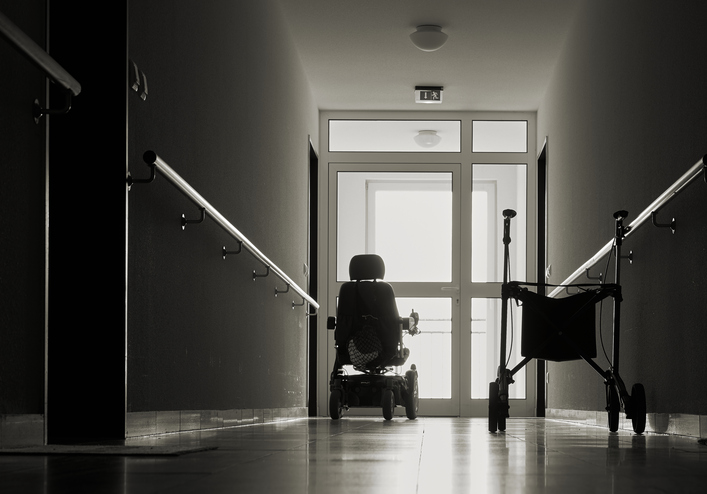
Spotting maltreatment often falls to relatives or friends who notice differences in the resident’s condition or environment. Common indicators that warrant further scrutiny include:
Pressure ulcers offer a compelling sign that staff may not be repositioning residents frequently or monitoring skin integrity. Untreated bedsores can progress quickly, causing infections like sepsis and osteomyelitis. If such sores are widespread or advanced, it may reflect chronic understaffing or training failures in the facility.
Odors, soiled clothing, or unchanged bedding illustrate lapses in basic caregiving. Unclean conditions should raise immediate concerns, as they can have both physical and psychological impacts on a resident. A facility’s failure in these respects might be a signal that the problems there are systemic, not just one-time oversights.
In Colorado’s dry climate, monitoring fluid intake is especially crucial. Dramatic weight loss, persistent thirst, or acute weakness can indicate that the staff is failing to provide partial or full assistance at mealtimes, possibly placing residents at significant risk. Since dehydration may exacerbate or trigger other health conditions, families should inquire about meal and snack protocols.
Fractures or bruises with no coherent explanation may result from physical abuse or from neglect, such as not assisting a resident with mobility needs. Contradictory stories from staff or vague incident reports could be red flags that lead inquisitive relatives to consult outside authorities.
A quick decline in mobility, unrelated to an existing medical diagnosis, might signify that the resident is not receiving physical therapy, is not being repositioned, or is left too long without assistance to move around. This can cause muscle weakening or heighten the danger of falls.
Rapid behavioral shifts—like raised fearfulness of certain staff, refusal to engage in social activities, or noticeable signs of anxiety—could suggest emotional abuse, neglect, or other mistreatment. Watching the resident’s behavior around specific caregiving staff may help in identifying potential perpetrators.
If a talkative resident suddenly avoids discussing living conditions or shows fear about staff overhearing conversations, that could suggest intimidation or threats by caregivers. Anxiety or guarded communication is sometimes an outcome of emotional abuse.
Filthy hallways, decaying food, or insect infestations suggest improper maintenance. A substandard environment increases the risk of infections and accidents. Coupled with other red flags, this helps confirm patterns of neglect or a potential disregard for regulations established by CDPHE.
When these warning signs appear, families should document them (photographs, careful notes, dates, and witness names) and consider reporting to management, Adult Protective Services (C.R.S. § 26-3.1-101 et seq.), or local law enforcement, depending on urgency. Early documentation can be critical, as evidence might disappear or degrade with time.
Under Colorado law (C.R.S. § 26-3.1-102), professionals such as healthcare workers, law enforcement officers, and therapists are designated mandatory reporters. If they suspect abuse, neglect, or exploitation of an at-risk adult, they must report this to Adult Protective Services (APS) or local law enforcement within a specified time frame—often 24 hours. Failure to comply can result in legal consequences, including misdemeanor charges.
Community members and family members, although not mandated to file a report, can and should still do so if they suspect wrongdoing. APS investigates reports by interviewing witnesses, reviewing facility records, and examining the conditions of care. In many cases, APS coordinates with local police to determine whether criminal charges against individual caregivers or administrators are warranted.
This mandatory reporting framework is intended to ensure quick intervention, removing at-risk elders or adults from imminent harm while allowing the state to gather official evidence. By identifying and documenting potential abuse early, authorities gain the best chance of preventing further mistreatment and securing a safe environment for vulnerable individuals. If you are concerned about the safety or well-being of a loved one, a nursing home abuse attorney in Denver can help you understand your options and guide you through the reporting process.
In Colorado, nursing home wrongdoing can lead to both criminal and civil liability:
District attorneys may file criminal charges if the facts support an allegation such as assault, theft, or sexual misconduct against an at-risk individual. These charges stem from statutes like C.R.S. § 18-6.5-103, which enhance penalties for offenses against at-risk elders. Convictions can lead to incarceration, probation, or fines and serve as a deterrent for future offenders. However, pursuing criminal liability involves proving guilt beyond a reasonable doubt—a higher standard of proof than in civil court.
Separately or simultaneously, victims or their families can file a civil lawsuit to recover damages. Common causes of action include negligence, intentional infliction of emotional distress, assault and battery, or financial exploitation claims under civil theft provisions. The plaintiff must prove by a preponderance of the evidence (more likely than not) that the defendant violated a duty of care, causing tangible harm to the resident. Civil suits center on compensation, including medical expenses, pain and suffering, emotional distress, and, in certain instances, punitive damages.
It is not unusual for one incident to produce a parallel criminal case and civil lawsuit. The criminal process seeks punishment, while the civil case aims to provide financial restitution and hold facilities responsible for substandard care.

Nursing homes in Colorado must satisfy both federal requirements (including those set by the Nursing Home Reform Act) and state-specific standards enforced by the Colorado Department of Public Health and Environment (CDPHE; see Title 25 of the Colorado Revised Statutes, among others). Key regulatory features include:
The law dictates that facilities maintain sufficient staffing levels, ensuring residents receive necessary supervision, medical services, and personal care. Staffing shortages often underlie many complaints of neglect and subpar resident oversight.
Each resident’s care plan must be individualized, reflecting medical diagnoses, physician recommendations, and personal preferences. Facilities must thoroughly document how and when they provide basic care. Failure to follow care plans can demonstrate negligence, especially if a resident’s documented needs—in terms of medication, therapy, or monitoring—are disregarded.
Nursing home operators must preserve hygienic, hazard-free environments. This involves controlling pests, ensuring sufficient temperature regulation, providing clean common areas, and adhering to fire and safety codes. Infractions can result in fines or, in severe cases, revocation of the facility’s license.
Colorado regulations demand that nursing homes maintain written procedures for reporting and examining signs of abuse or neglect internally. The facility is also expected to cooperate with APS or CDPHE investigations. When facilities fail to detect or address abuse complaints, they risk administrative sanctions, civil damages, and, in particularly egregious cases, possible criminal penalties.
Exceeding or falling short of these regulations can be persuasive evidence in a subsequent lawsuit. A pattern of noncompliance often suggests systemic mismanagement, reinforcing allegations that the facility played a direct role in the resident’s injuries.
Many Colorado nursing homes request or require residents (or those acting on their behalf) to sign arbitration clauses at admission. Arbitration usually occurs outside the court system, with a neutral arbitrator reviewing evidence and issuing a binding or non-binding decision, depending on the agreement’s language. Important considerations include:
Arbitration often limits the amount and scope of discovery, restricting the plaintiff’s ability to unearth crucial documentation or depose witnesses. This streamlined process can sometimes disadvantage those bringing claims of abuse or neglect.
Under state law, a facility has the burden of showing that the arbitration agreement was entered into knowingly and voluntarily. Courts may decline to enforce such agreements if the resident lacked the mental competence to sign or if there was undue pressure or deception in obtaining the signature.
Potential strategies for challenging an arbitration provision include demonstrating unconscionability, showing that the signing individual lacked proper legal authority, or proving that the language was overly confusing. If a court agrees that an agreement is unenforceable, families may then proceed with litigation in a traditional court setting.
Given the high stakes of abuse or neglect allegations, families should evaluate whether an arbitration clause might limit or impede recovery in certain scenarios. Identifying whether and how to challenge an arbitration agreement early can be a pivotal strategic decision. Denver nursing home abuse attorneys can assist in evaluating arbitration agreements and protecting your loved one’s rights.
In a civil lawsuit, plaintiffs in Colorado must show four elements to secure compensation:
Upon admission, a facility formally agrees to provide necessary care consistent with professional standards and general duties of care. This duty is amplified if medical treatments or close supervision are required.
Negligence or intentional wrongdoing arises when that duty is not carried out. Violations may take the form of undertrained staff, failure to supervise, medication errors, ignoring a known fall risk, or directly injuring the resident.
There must be a connection between the facility’s breach of duty and the harm suffered by the resident. If a resident would have sustained the same injury regardless of the facility’s conduct, liability may be harder to establish.
Finally, the plaintiff must demonstrate that the resident endured actual harm—physically, psychologically, or financially. Damages range from medical bills to intangible losses, such as pain and suffering.
Where a claim involves professional medical judgment—like inadequate wound care by a registered nurse—Colorado’s Health Care Availability Act (HCAA) procedures and caps may apply. This can alter how a plaintiff structures the lawsuit, potentially requiring a Certificate of Review and adherence to statutory damage limits.
Thorough documentation serves as the backbone of a viable nursing home claim. The following forms of evidence frequently appear in Colorado litigation:
Visual evidence of unhygienic conditions, visible bruises, or dangerous hazards can be compelling in negotiations or at trial. Photos taken with timestamps can help establish when specific conditions were observed.
Nursing homes maintain logs of care plans, medication administration, incident reports, and staffing rosters. These records help reveal whether staff adhered to required procedures or whether document tampering occurred. If records vanish or are clearly altered, that may suggest an attempt to hide negligence.
Physician notes, hospital intake forms, lab results, and x-rays can verify the onset and severity of injuries. For instance, proving that a neglected infection led to sepsis involves tracking changes in the resident’s condition over time through medical charts.
Observations by other residents, visiting relatives, volunteers, or staff can confirm the existence of abuse or neglect. Their statements help build a complete narrative describing daily conditions, staff behavior, and the overall atmosphere.
Healthcare professionals, such as licensed nurses or geriatric care providers, sometimes provide insight into whether the care met reasonable standards. Under Colorado’s statutes for professional negligence (if applicable under the HCAA), certain cases mandate a Certificate of Review from a similarly licensed individual, ensuring the claim has a good-faith basis in recognized medical standards.
When suspected financial abuse arises, bank statements, checks, or credit card transactions can illustrate suspicious spending, forged signatures, or abrupt property transfers. If proven, civil theft laws may allow recovery of treble damages.
Collecting evidence early is vital. Facility administrators may attempt to downplay or obscure wrongdoing, and memories of witnesses can fade. As the civil statute of limitations clock ticks, building a thorough documentary record provides plaintiffs the best chance of success.
A nursing home abuse lawyer in Denver can help identify and gather the evidence necessary to build a strong case.
Suffering in a nursing home can lead to an array of injuries. Among the most frequently encountered:
Failure to reposition bed-ridden individuals often results in pressure ulcers that can travel to muscle and bone if left unaddressed. The subsequent infections—potentially life-threatening in older adults—sometimes serve as prime evidence of chronic neglect.
Inadequate supervision can cause falls, leading to fractures of the hip, wrist, or vertebrae. Elderly residents with compromised bone density often require complicated surgeries and extensive rehabilitation after breaking bones. Proving that staff failed to assist a known fall-risk resident can amount to a breach of duty.
Head trauma—from forceful contact or falls—poses serious concerns. Concussions, brain swelling, and subdural hematomas may demand ongoing medical care. Subtle cognitive changes can develop in older adults after head wounds, requiring careful documentation of neurological effects.
A particularly violent assault or major fall can lead to partial or full paralysis. This condition often calls for life-long treatment, specialized equipment, and adjustments to living accommodations. Settlements or jury awards may involve considerable sums to cover future expenses tied to a spinal cord injury.
Exposure to overly hot bath water, neglecting to oversee meal preparation in certain care settings, or defective equipment can lead to scalds or burns. Residents with lower mobility or dementia may be unable to move quickly away from a dangerous source. Burns may also heal slowly in older adults, risking severe infection.
Unsanitary conditions, unclean catheters, or neglected wounds enable bacterial, fungal, or viral infections to flourish. Complications can include pneumonia, sepsis, or organ failure. Demonstrating how inadequate hygiene or care protocols caused the infection can reinforce a negligence claim.
Lasting emotional scars often stem from verbal abuse, threats, or fear of repeat harm. Conditions such as anxiety, depression, or post-traumatic stress hamper a resident’s ability to recover physically and lead a fulfilling social life.
Colorado law generally recognizes all these injuries as actionable harms if caused by a nursing home’s subpar care. Documenting these conditions, correlating them with staff or institutional failings, and proving the injuries were avoidable all bolster a valid legal claim.
One of the clearest markers of inadequate care, bedsores (pressure ulcers), develop when a resident remains in a fixed position without frequent repositioning. Persistent moisture (due to perspiration or incontinence) and limited movement intensify risk. At early stages, bedsores might appear as reddened, non-blanching sores; left unchecked, they can widen into painful ulcers that expose bone or tissue. Rapid and appropriate intervention—such as improved nutrition, hydration, skin assessments, and pressure-relieving devices—can prevent deterioration.
Colorado inspectors, including staff from CDPHE, watch for how nursing homes address existing bedsores and enact preventive measures. A pattern of advanced bedsores among multiple residents may signal a systemic staffing shortage, insufficient training, or deliberate disregard for standard care protocols. Such patterns can buttress a negligence claim, especially where plaintiffs’ attorneys can show a persistent failure to follow recognized wound care practices.
If you have concerns about neglect or injury in a care facility, a Denver nursing home abuse attorney can help you understand your legal options.
Colorado’s civil framework allows injured residents and their families to seek several types of compensation:
Reimbursement for hospital stays, doctor visits, surgeries, prescription medications, physical therapy, or rehabilitation expenses. Exhibiting a clear link between the facility’s negligence and these medical costs is critical for recovery.
These cover intangible harms—such as emotional distress, physical pain, and loss of enjoyment of life. Under Colorado law, there are statutory caps on non-economic damages, and these caps often differ depending on whether the claim is governed by the general personal injury statutes or by the Colorado Health Care Availability Act (HCAA). For instance, a general negligence claim might carry a higher potential maximum, while HCAA-governed medical malpractice claims often have a lower cap that is periodically adjusted for inflation. Plaintiffs should verify current figures because the state legislature and courts sometimes revise these caps.
Punitive damages aim to penalize egregious, willful, or wanton conduct and deter such behavior from recurring. Under Colorado procedure, a plaintiff is not allowed to request punitive damages at the outset but can amend the complaint later if discovery uncovers sufficient evidence of reckless or malicious wrongdoing. Even if granted, punitive damages cannot exceed certain limits under state law.
If a caregiver stole or misappropriated funds from a resident (such conduct can be classified as civil theft under references such as C.R.S. § 13-21-109 or related sections, together with the criminal theft statutes), Colorado law may allow for an award of three times the value of the money or property taken. In addition, a successful plaintiff could recoup attorney fees. By design, this remedy strongly discourages financial exploitation of at-risk adults.
Gathering thorough documentation—such as receipts, medical documentation, psychological assessments, and expert opinions—helps plaintiffs articulate the full impact of the abuse or neglect. A carefully assembled record of damages demonstrates how the misconduct affected the resident’s life, supporting a stronger case for the maximum allowable compensation.
Colorado imposes specific deadlines for filing lawsuits based on abuse or neglect:
Claims involving personal injury, including those rooted in general negligence, typically carry a two-year statute of limitations (C.R.S. § 13-80-102). The clock begins either when the injury is discovered or when it reasonably should have been discovered. Failing to file within this period usually bars the plaintiff from pursuing legal action.
An accelerated timetable applies if the nursing home is operated by a government entity (see the Colorado Governmental Immunity Act, C.R.S. § 24-10-101 et seq.). In those instances, the injured party must present a written notice of claim to the facility or governing entity within 180 days of discovering the injury. Missing this statutory notice window can entirely forfeit the right to sue.
When a resident is mentally incapacitated or legally incompetent, the statute of limitations may be paused until the individual regains competence or until a legal representative is appointed. Establishing mental incapacity generally requires medical documentation or a court’s guardianship order.
Families should act expeditiously upon suspecting abuse or neglect. Beyond the legal deadlines, practical concerns—like witness memory fading or records being misplaced—underscore the importance of early engagement with legal avenues. If you have questions about the statute of limitations or your options, a nursing home abuse attorney in Denver can help guide you through the process.
If nursing home abuse or neglect culminates in a resident’s death, Colorado permits certain closely related individuals to file a wrongful death action (C.R.S. § 13-21-201 et seq.). Typically, the surviving spouse has the right of first filing during the first year after death. In the second year, additional heirs (such as children or designated beneficiaries) may bring the claim if the spouse has not done so.
Recoverable damages in wrongful death cases may include:
Bills incurred for final treatments, emergency visits, and other care the resident required before passing away. These can be crucial in illustrating the chain of causation between the negligence and the fatal outcome.
Colorado law often enables families to recoup reasonable expenses linked to the decedent’s funeral arrangements and burial.
Compensation for emotional suffering, grief, and the missing relationship of a deceased loved one. This is a non-economic category, and specific caps may apply. Colorado’s wrongful death statutes also provide a “solatium” amount, a set figure that families can accept instead of pursuing traditional non-economic damages. This figure adjusts periodically based on changes in the state’s inflation metrics.
If evidence shows the facility’s conduct was willful and wanton, punitive damages can sometimes be claimed—subject to Colorado’s procedural rules and statutory limits.
Wrongful death claims share many of the same time constraints as personal injury suits, often requiring filing within two years from the date of death. This timetable can be nuanced if a governmental entity is involved or if other tolling provisions apply. Given the added emotional weight these claims carry, families usually gather detailed proof of the facility’s actions or omissions leading to the resident’s death.
Adult Protective Services (APS), established under C.R.S. § 26-3.1-101 et seq., fulfills an essential role in safeguarding vulnerable seniors and other at-risk adults. Its core duties include:
Upon receiving a report, APS investigators evaluate the adult’s situation by conducting interviews, reviewing relevant charts, and possibly visiting the facility. They aim to confirm or dismiss allegations of physical harm, emotional mistreatment, neglect, or financial exploitation.
Should APS confirm ongoing danger, it can coordinate with local law enforcement, the resident’s healthcare providers, or other agencies to arrange a safer environment. APS may recommend transferring the resident out of a harmful setting or offering other services designed to meet urgent care needs.
Although APS does not decide civil liability or award damages, its investigators’ documentation, records, and witness accounts can hold tremendous weight in civil lawsuits. If a prosecuting attorney pursues criminal charges, APS personnel may testify about the findings of their inquiries.
Anyone—whether a mandated reporter or a concerned friend—can reach out to APS through county social services or by phone. Often, a local Area Agency on Aging can direct families to an APS office. Engaging APS can serve as a prompt step in protecting a resident and building a foundation for subsequent legal action if warranted. If you believe your loved one has suffered harm, a Denver nursing home abuse lawyer can help you understand how APS involvement may impact your options for justice.
Many nursing home disputes end via settlement before reaching trial. A settlement may arise at any juncture—before a formal lawsuit is filed, during litigation, or even after discovery reveals the strength of the plaintiff’s case:
An attorney or legal representative for the nursing home (or its insurer) may propose a payout to address injuries. The amount often reflects potential liability, the cost of litigation, the severity of injuries, and any risks each side perceives in proceeding to trial.
Ordinarily, the settlement contract obligates the plaintiff to release future rights related to the same incident. Before signing, it is critical to verify that all relevant damages—particularly potential long-term care costs—are included.
Settling can bring closure more quickly than seeing a trial through to verdict. The resident or family avoids the uncertainty of a jury decision. However, they might receive less money than a jury could potentially award. Families should weigh whether the certainty and speed of a settlement compensate for possibly limiting broader public exposure of the nursing home’s wrongdoing or forgoing a higher recovery at trial.
Even when settling, certain damages caps under Colorado law (and possible restrictions under the HCAA) remain in effect. Parties should also consider whether claims for civil theft (related to financial exploitation) or punitive damages might justify pushing for a higher settlement figure.
A range of Colorado-specific details can shape the trajectory of a nursing home abuse or neglect claim:
If a claim stems from professional medical errors—like a registered nurse providing improper wound care—plaintiffs might need to abide by the HCAA. This statute caps non-economic damages, requires a Certificate of Review from a professional knowledgeable about the relevant medical standard, and institutes various other procedural rules. Deciding whether conduct constitutes general negligence or professional negligence often depends on if medical judgment was involved.
These statutory protections (located in parts of C.R.S. § 25-1-120 through 25-1-128) guarantee residents respect, dignity, and the right to be free from abuse or restraints used for discipline. Although the Bill of Rights is not always cited as an independent cause of action, demonstrating a facility violated these provisions can reinforce a negligence per se argument.
The Ombudsman program, administered in collaboration with local Area Agencies on Aging, focuses on resolving complaints about nursing homes and advocating for residents’ rights. Families can contact the Ombudsman for assistance in investigating issues. Ombudsmen typically follow a process that includes interviewing the resident and staff, examining facility conditions, and looking for amicable resolutions. If the Ombudsman’s review identifies systematic errors or wrongdoing, such findings can strengthen a civil or regulatory case.
Colorado courts only permit punitive damages if there is clear and convincing proof of malicious, willful, or wanton conduct. The plaintiff must file a motion to amend the lawsuit after initial discovery. When granted, punitive damages can amplify the overall award but remain subject to certain statutory limits that guard against excessive verdicts.
Frequent staff turnover or absence of comprehensive training programs can produce uniform care deficiencies within a facility. Proving that a nursing home continually fails to maintain trained staff or has minimal coverage on crucial shifts can help establish systemic neglect.
When staff members or operators exploit residents financially, Colorado’s civil theft laws encourage pursuit of treble damages in court. Common examples involve forging checks, withdrawing money through unauthorized credit card use, or pressuring cognitively impaired individuals to rewrite wills. Demonstrating these patterns can substantiate a separate claim for civil theft, with potentially substantial monetary recovery.
If you have concerns about these or similar issues, a nursing home abuse lawyer in Denver can help evaluate your options and pursue justice for your loved one.
Some nursing home negligence lawsuits revolve around claims of substandard professional medical judgment. In these circumstances, the HCAA typically applies, bringing distinct complexities:
Within a preset time frame after filing suit, plaintiffs must obtain and file a Certificate of Review. A qualified professional must certify that the lawsuit has merit and that the standard of care likely was breached. If such certification is not completed, the court may dismiss the claim.
The HCAA imposes a cap on non-economic damages, which includes pain and suffering, inconvenience, and emotional distress. While this cap changes over time, it may be lower than caps for other types of personal injury claims in Colorado. Plaintiffs should stay updated on the current figures before considering settlement demands or proceeding to trial.
Misdiagnosing an advanced wound infection or incorrectly administering prescription medication might be scrutinized through the lens of professional negligence. Conversely, physically assaulting or restraining a resident in a non-medical context might constitute intentional wrongdoing or ordinary negligence, not subject to HCAA constraints.
Identifying which claims fall under HCAA can be pivotal in shaping the strategy for recovery. Plaintiffs often detail all possible theories of liability, with the understanding that the court might limit certain claims under the HCAA framework.
The Colorado Nursing Home Residents’ Bill of Rights, found throughout various parts of the state’s statutory scheme governing healthcare facilities, reaffirms essential privileges, including:
Residents must receive timely and appropriate medical treatment, including emergency intervention when necessary. Facilities that fail to follow a physician’s orders for medication or therapy can be in violation of these rights.
Physical, emotional, and financial harms are strictly prohibited. Any staff or facility manager who offers excuses or neglects to intervene where there is evident abuse can be held accountable.
Nursing homes should respect residents’ choices regarding daily routines, privacy, and cultural or personal preferences. Actions that disregard a resident’s independence—like using restraints for convenience—could infringe these rights.
Residents have the right to be involved in decisions about their care. They should also remain free to communicate privately, entertain visitors, or reach out for advocacy support (e.g., contacting the Ombudsman program). Interfering with these communications can qualify as a breach of statutory rights.
Violations can sway a negligence claim, as they indicate the facility departed from established responsibilities. Thoroughly documenting instances when a resident’s explicit rights were ignored supports an argument that the nursing home violated recognized standards, lending strong weight in civil proceedings.
Colorado law takes a serious stance on financial exploitation of older or disabled adults, as set forth in provisions related to criminal theft of an at-risk elder (C.R.S. § 18-6.5-103) and potential civil theft claims (C.R.S. §§ 13-21-109 and related statutes). Typical examples include:
Staff may use a resident’s credit or debit card without permission, forge signatures on checks, or engage in other deceptive practices to siphon funds. Monitoring bank statements for sudden withdrawals or unusual purchases can detect these abuses.
Caregivers might push residents to alter wills, trusts, or powers of attorney in their favor. Given that a cognitively impaired elder may lack capacity to provide valid consent, legal instruments could be deemed voidable if the court finds undue influence was exerted.
Perpetrators sometimes deploy emotional manipulation—threats, isolation, or intimidation—to gain control over finances. Proving that the abuser coerced the resident into disposing of assets typically involves witness testimony, expert psychological evaluations of capacity, and banking records.
When a plaintiff proves civil theft, Colorado’s statutes provide for treble (triple) damages plus potential reimbursement of attorney fees. This punishing remedy aims to deter exploitation of at-risk persons and encourage families to take legal action if wrongdoing arises. If you have concerns about financial exploitation in a facility, a Denver nursing home abuse attorney may be able to help you protect your loved one’s rights and pursue compensation.
Colorado follows a robust framework to hold facilities and individuals answerable for abusive or neglectful treatment:
Healthcare providers, first responders, and various other professionals must inform APS or the authorities if they suspect harm involving an at-risk adult. The aim is to intervene swiftly and gather evidence while it is fresh, safeguarding residents who might not be able to speak up on their own.
CDPHE issues and revokes licenses, conducts periodic and complaint-driven inspections, and can impose fines, corrective action plans, or in extreme cases, facility closure. The department’s findings—often documented in written inspection reports—can serve as significant evidence in civil litigation.
When disputes persist, the Ombudsman program offers direct advocacy for residents. Families can seek the Ombudsman’s support by filing a complaint through local channels, such as an Area Agency on Aging. Ombudsmen attempt informal resolution. If those efforts fail or uncover serious violations, they may elevate concerns to APS, CDPHE, or law enforcement.
Residents or their families might sue facilities, administrators, or staff directly for wrongdoing. This approach not only secures compensation but can force changes in facility policies and staff practices.
If the district attorney’s office sees compelling evidence of abuse or theft, it may pursue charges under Colorado’s at-risk adult statutes. Convictions can involve probation, incarceration, or mandatory restitution payments.
By blending mandatory reporting requirements, regulatory vigilance, and the potential for civil and criminal liability, Colorado law strives to guard against abuse and neglect. Residents who understand their rights—and families who remain diligently observant—can help ensure that nursing homes fulfill their obligations.
Although briefly mentioned in prior sections, the Colorado Long-Term Care Ombudsman performs a unique and influential role:
When a concern is reported, an Ombudsman representative typically visits the facility to speak with the resident, staff, or administration. The Ombudsman’s goal is to seek resolutions that respect the resident’s wishes and well-being. They operate independently from the nursing home and primarily serve the resident’s interests.
While the Ombudsman lacks authority to impose penalties, the office can facilitate problem-solving, reduce communication barriers, or persuade management to adjust policies. If the situation appears dire, the Ombudsman may contact APS or law enforcement, or encourage families to pursue legal remedies. The resulting reports or findings may also become relevant if a civil case emerges.
Individuals can generally reach the Ombudsman through the local Area Agency on Aging, city or county offices dedicated to senior services, or using online resources. Many families prefer initially seeking the Ombudsman’s assistance, especially if they are uncertain whether they possess sufficient evidence of wrongdoing.
The Colorado Department of Public Health and Environment (CDPHE) wields substantial oversight powers to regulate nursing homes:
CDPHE conducts routine inspections as mandated by federal and state laws. These inspections evaluate quality of care, documentation, staffing practices, and compliance with fire and safety regulations. If a complaint is lodged, CDPHE can perform targeted or unannounced inspections.
When facilities are found deficient, CDPHE may impose fines, require a written plan of correction, or in more serious circumstances, suspend or revoke the facility’s license. If repeated violations persist, legal action can escalate, potentially leading to facility closures or the appointment of temporary management.
CDPHE survey results, deficiency findings, and enforcement actions can be vital in demonstrating whether a nursing home consistently falls below established care standards. Plaintiffs who obtain these documents through public records requests or discovery may bolster their argument that the facility had a pattern of noncompliance, evidencing systemic issues rather than an isolated mistake.
While historically, some critics argue that regulatory fines can be modest compared to the profit margins of facilities, scrutiny has grown in recent years. As awareness of nursing home care quality grows, enforcement could become more vigorous, prompting facilities to either improve or risk punitive measures by the state.
If you need guidance about CDPHE investigations or want to discuss potential claims, a nursing home abuse attorney in Denver can help you understand your rights and options.
Colorado’s enhanced penalties for crimes against at-risk elders (C.R.S. § 18-6.5-103) still require local prosecutors to determine whether there is sufficient evidence to file criminal charges:
District attorneys typically review law enforcement reports, APS findings, witness testimonies, and medical evidence in deciding if there is a reasonable likelihood of conviction. For instance, with physical abuse allegations, evidentiary issues may arise if the victim struggles to communicate or if staff members offer conflicting versions of events.
Depending on the severity of the alleged crime—ranging from misdemeanor assault charges to serious felonies—penalties vary widely. Crimes causing severe bodily harm or theft of substantial assets generally face felony charges.
A district attorney might determine that a case lacks the evidence necessary for a criminal conviction, even if civil liability remains highly plausible. This discrepancy underscores the different proof standards: criminal guilt requires evidence beyond a reasonable doubt, while civil suits require a lesser standard (preponderance of evidence). Thus, families electing to pursue compensation should not become discouraged if prosecutors decline the criminal case.
This discretionary dynamic can complicate matters. Some families assume that if criminal charges are not brought, they have no legal recourse. In reality, a robust civil claim can still move forward irrespective of a district attorney’s decision.
Because Colorado law imposes time constraints on filing lawsuits (often two years, or less if government entities are involved), families must stay vigilant in gathering evidence. Facilities might reassign or terminate staff, and employees’ recollections can fade. Swiftly requesting medical and facility records, speaking with potential witnesses, and seeking professional evaluations of injuries are practical steps that help ensure strong evidence is collected.
In many cases, families also find value in:
Securing second opinions can highlight if injuries likely arose from inadequate care rather than an inevitable health deterioration. Healthcare practitioners outside the nursing home may be more transparent in their assessments.
If indications point to immediate harm, contacting APS can initiate a protective response. Simultaneously, the Ombudsman might ease tensions, open clearer communication with facility managers, or suggest alternate resources.
After obtaining the relevant paperwork, families should determine whether a signed arbitration agreement exists. If present, exploring avenues to nullify it—such as proving the resident lacked capacity—can influence the strategy and potential scope of discovery.
Although many Colorado nursing homes endeavor to comply with state and federal mandates, neglect and abuse persist in certain settings. Residents possess enforceable rights to live with dignity, receive appropriate care, and remain free from mistreatment. When facilities ignore these obligations—be it through inadequate staffing, physical or emotional harm, or open financial exploitation—Colorado law supplies multiple potential avenues for recourse.
Possible options include filing reports with Adult Protective Services, alerting the Colorado Long-Term Care Ombudsman, initiating civil lawsuits for personal injury or wrongful death, or contacting law enforcement about criminal violations. Plaintiffs must pay close attention to following procedural rules, such as statutes of limitations, the Colorado Health Care Availability Act (including its Certificate of Review requirement where applicable), and the mandatory reporter guidelines (C.R.S. § 26-3.1-102).
Additionally, families who suspect wrongdoing should:
Photograph injuries, keep copies of bills, and request facility records. Meticulous documentation often makes the difference in proving liability.
Calculate potential medical, non-economic, and even treble damages if financial exploitation is part of the wrongdoing.
Check whether the claim falls under HCAA or general negligence rules, as damages may be capped. These figures change periodically, so confirming current limits can guide settlement discussions or trial strategies.
CDPHE investigations, Ombudsman engagements, and APS reports can all support a civil or criminal case by generating formal documentation of the alleged abuse or neglect.
Colorado’s legal framework is designed so that abusers, including negligent nursing homes, do not escape accountability for harming at-risk adults. The combination of criminal law, civil litigation, agency oversight, and resident advocacy can help ensure that those entrusted with caring for older or disabled individuals meet their responsibilities. By persistently monitoring conditions and acting promptly on warning signs, families can significantly reduce the probability of ongoing harm and fight for fair compensation when violations do take place. A Denver nursing home abuse lawyer can help guide you through these steps and pursue justice on behalf of your loved one.

At Neumann Law Group, we recognize the emotional and financial toll that nursing home abuse can impose on Denver families. Our experienced Denver nursing home abuse lawyers stand ready to help you seek rightful compensation for your loved one’s injuries and losses. From carefully documenting evidence to guiding you through complex legal procedures, we focus on helping you hold negligent facilities accountable. We understand that every case is unique, which is why we dedicate ourselves to ensuring your family’s questions are answered and your concerns addressed. Our approach involves examining facility records, interviewing witnesses, and collaborating with medical professionals so you can focus on healing. Contact us to begin building a path toward meaningful justice, accountability, and peace of mind. Schedule a Consultation by calling (800) 525-6386 today. Let Neumann Law Group be your partner in holding those responsible for nursing ho