In Denver, defective products can cause devastating injuries, threatening your health, security, and financial stability. At Neumann Law Group, our experienced Denver products liability lawyers are dedicated to pursuing justice for those harmed by faulty consumer items, from malfunctioning auto parts to dangerous household appliances. We focus on holding negligent manufacturers, distributors, and retailers accountable for their actions, seeking compensation on your behalf to address lost wages, medical expenses, and pain and suffering. Our team understands that each situation is unique, and we will guide you through the legal process with compassion and attention to detail. If you or someone you care about has been injured by a defective product, call us at (800) 525-6386 to arrange your Consultation. We strive to protect your rights, help you rebuild, and navigate the complex laws governing product liability claims in Colorado. Reach out today to fully discuss all your legal options.
Home appliances, vehicles and their components, toys and child products, food items, medications and medical devices, and electronics remain some of the most frequently cited categories of defective goods in Colorado. Moreover, software- and technology-related defects are emerging areas of concern as products become more reliant on embedded code or firmware to function. Flaws attributable to poor design, manufacturing errors, or marketing oversights can create serious hazards. Injuries, property damage, or even fatalities may result when a defect renders a product unreasonably dangerous for routine or anticipated use.
Home Appliances: Household items such as dishwashers, washing machines, microwaves, refrigerators, ovens, and other commonly used devices can pose risks if they contain flawed parts or have been improperly tested or assembled. Electrical fires, explosions, and electric shocks can all arise from defective wiring or design. Where manufacturers issue product manuals and instructions for safe usage, operating an appliance in strict accordance with those directions may lead to a stronger liability claim if the appliance malfunctions. On the other hand, significantly altering or misusing the product could permit a defense based on product misuse or modification, which can limit or eliminate recovery under Colorado’s comparative negligence rules.
Cars and Car Parts: Defects in automobiles, whether found in ignition systems, airbags, tires, braking mechanisms, or more advanced computing modules, can result in serious motor vehicle crashes and catastrophic injuries. Even a seemingly minor flaw can compromise occupant safety. While automobile manufacturers must comply with federal safety standards and conduct various tests, design or manufacturing oversights do occasionally make it to market. In Colorado, a defendant’s adherence to testing standards does not necessarily negate liability if the plaintiff can show a product is “unreasonably dangerous.” However, car owners who alter a vehicle’s safety mechanisms or disregard explicit maintenance warnings may face defenses that reduce or bar compensation under comparative negligence.
Toys and Child Products: Products intended for children, including car seats, cribs, strollers, and various toys, are subject to rigorous safety expectations. Potential defects include the use of toxic or flammable materials, parts prone to breakage or detachment, and inadequate fasteners. In Colorado, parents or guardians may contend with defenses alleging misuse if they fail to observe weight or age guidelines or if they modify a product contrary to its intended design. Yet children who suffer injuries from an unreasonably dangerous or improperly marketed item may nonetheless find recourse under design, manufacturing, or marketing defect theories.
Food: Products sold for consumption must meet strict standards. Harm can occur when manufacturers fail to disclose allergens, permit contamination by bacteria or other pathogens, or otherwise mislabel or mishandle food items. While some contamination risks can arise after purchase if the consumer doesn’t store or prepare food properly, liability often focuses on lapses in the manufacturing or distribution stage that compromise safety before the consumer ever has a chance to handle the product. Plaintiffs who become ill from unsafe foods may assert strict liability claims, as Colorado law generally supports holding businesses accountable when they introduce unsafe items that cause harm.
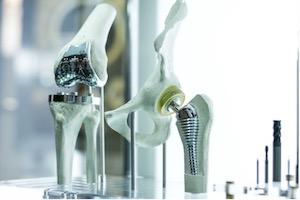
Medications and Medical Devices: Pharmaceuticals, implants, and similar products are meant to enhance public health and treat various conditions. Yet errors in design, manufacturing, or labeling can yield health complications instead of benefits. If warning labels and instructions do not adequately address certain side effects or risks, a manufacturer or distributor can be held responsible. Colorado law may entitle an individual to tolling when injuries remain latent, such as when a defective implant slowly causes physical damage over months or years. Complex supply chains sometimes mean multiple entities, from manufacturers to distributors, can be named in a lawsuit. Preemption defenses can also arise with medical drugs and devices that have undergone particular types of federal approval. A defendant might argue that Colorado state-law claims are overridden if there is a specific federal regulatory scheme covering that product.
Electronics: Products such as smartphones, tablets, laptops, and battery-powered devices must be manufactured and sold in a condition that is fit for safe usage. Overheating, explosions, and electrical shocks are prime concerns when design or manufacturing processes fall short. In addition, large-scale recalls may occur when an entire line of electronics exhibits the same issue. Colorado recognizes a rebuttable presumption that a product more than ten years old was not defective at the time it left the defendant’s control, though this does not categorically prevent a claim if solid evidence can overcome that presumption.
Software and Firmware Defects: With increasing reliance on embedded technology, many modern products—from “smart” appliances to advanced auto-braking systems—are controlled by software. A coding error, a firmware glitch, or a security vulnerability might cause the product to malfunction unexpectedly, leading to severe damage or personal injury. Because software flaws are not always obvious through routine inspection, these claims may require specialized analysis of the code or device performance logs. While Colorado generally applies the same product liability and negligence principles to software defects as to other product flaws, establishing the precise point of defect, such as a glitch in an over-the-air update or in the original firmware, can be challenging. In some cases, the question arises whether the alleged defect results from a pure software design choice or from an underlying hardware issue. Regardless, if a defective embedded system renders a product unreasonably dangerous, potential liability may extend to the parties responsible for coding and hardware integration processes. If you or a loved one have been harmed by a faulty product, a products liability lawyer in Denver can help you understand your legal options.
Colorado law does not require privity of contract between the injured party and the entity against which a claim is filed. As a result, multiple businesses from across the distribution chain—each with a distinct role—can face potential liability if their actions significantly contributed to a product’s defect.
Manufacturer of the Product: Often, the manufacturer is the primary defendant. Proof may include evidence of inadequate quality control, unreliable testing, or absence of sufficient warnings. Because Colorado supports strict liability in products cases, it does not necessarily matter whether the manufacturer exercised all possible care.
Apparent Manufacturer (Private Label or Store Brand): If a retailer brands a product as its own, it can be treated as though it actually manufactured the item. This principle applies when the consumer has a reasonable basis to believe the seller stands behind the product’s design and quality. Consequently, a large retail chain that markets store-brand goods might not easily escape litigation by pointing to the actual factory overseas that produced the item.
Manufacturer of a Component: A handset might fail because of a defective battery from a separate supplier, or a vehicle’s seatbelt might be defective due to a faulty locking mechanism manufactured by a supplier. Colorado courts allow plaintiffs to bring claims against the distinct corporation that manufactured the problematic component, preventing any single entity from shifting all blame to others in the chain without the capability for direct accountability.
Distributor: Distributors can face liability if they alter, damage, or degrade a product in a way that leads to an unreasonably dangerous condition. Even a failure to maintain proper storage conditions can be considered a relevant factor, especially in scenarios involving perishable or sensitive goods.
Retailer or Seller: Non-manufacturing sellers can sometimes seek dismissal under Colorado’s “innocent seller” provisions if the manufacturer is available, solvent, and subject to jurisdiction. However, if the manufacturer is defunct or beyond the court’s reach, or if the seller materially contributed to the product’s defect, the seller might remain in the case. This aspect underscores the importance of identifying each entity’s role.
If you have questions about which parties may be responsible for a defective product, contact a Denver products liability attorney for guidance.
Proving Liability for a Defective Product
In Colorado, plaintiffs generally rely on two main legal theories to secure recovery in product liability lawsuits: strict liability and negligence. Additionally, breach of warranty claims under the Uniform Commercial Code (UCC) can accompany or sometimes replace tort-based claims, especially where damage is purely economic, although personal injury scenarios often focus more on tort theories. Properly pleading a product’s defect, tying the defect causally to the harm, and countering defenses such as comparative negligence or misuse are all part of building a strong claim.
Strict Liability:
A hallmark of Colorado product liability law is the ability to hold manufacturers and other responsible parties strictly liable for placing a defective and unreasonably dangerous product into the marketplace. Under this framework:
• The product must have been defective and unreasonably dangerous.
• The defect must have existed when the product left the defendant’s control.
• The defect must be the proximate cause of the plaintiff’s injury, and the plaintiff must have been using the product in a manner that was reasonably foreseeable or intended.
Because fault is not the central element in strict liability, even a business acting with utmost care could still be held responsible if a product is proven to have been unreasonably dangerous. Nonetheless, the defendant can raise certain defenses addressing whether the plaintiff misused or significantly modified the product post-sale.
Negligence:
Plaintiffs asserting negligence must demonstrate the classic four elements: duty, breach, causation, and damages. In a product liability context, the duty can involve designing, manufacturing, or marketing goods free from unreasonably unsafe conditions. Evidence of subpar research, inadequate testing, or failure to incorporate safer design alternatives can establish a breach. The plaintiff then must connect this breach to the resulting harm.
Colorado’s modified comparative negligence system factors heavily into negligence-based product claims. If the plaintiff’s own fault is 50% or more, no recovery is allowed; if it is under 50%, the compensatory award is reduced in proportion to the plaintiff’s share of responsibility.
Breach of Warranty Claims:
In addition to tort claims, some injured consumers bring breach of warranty actions, particularly when the product fails to meet certain express or implied promises under the UCC. Implied warranties might include the warranty of merchantability or a warranty of fitness for a particular purpose. Often, warranty claims can coexist alongside strict liability or negligence claims in certain product-related suits. However, if a defect causes solely economic harm—like a product failing to perform as promised without physically hurting someone—breach of warranty might be the main or only viable avenue.
Colorado jurisprudence broadly recognizes three categories of product defects. Depending on the nature of the claim, multiple defect types might apply to the same item:
Manufacturing Defects: The product departs from its intended design in a way that renders it dangerous to the user. These flaws can arise from poor quality control, substandard materials, or human error during assembly. Even a single errant batch can create liability if the final item sold to the consumer is unsafe.
Design Defects: Here, the issue lies in the inherent blueprint of the product. All items of that model or type might pose identical risks because the design fails to incorporate sufficient safeguards or an alternative feasible design. Colorado courts frequently use both (1) the consumer expectation test, which assesses whether the product meets the safety expectations of an average consumer, and (2) the risk-benefit test, which involves weighing the dangers of the design against its utility and the possibility of safer, cost-effective alternatives.
Marketing (Warning) Defects: When a product’s danger cannot be wholly removed through design or manufacturing choices, the manufacturer or seller typically must provide clear, conspicuous warnings and instructions. If a medication with known side effects does not include prominent cautionary labeling, or an appliance’s operation manual neglects to instruct users about a necessary safety step, liability may arise for an inadequate warning. Courts examine whether the warnings were reasonably understandable, accurately conveyed, and sufficiently prominent to catch consumer attention.
If you have questions about any of these types of cases, you can speak with a products liability attorney in Denver to learn more about your options.
Design Defect Tests Under Colorado Law
In many cases of alleged product hazard, the plaintiff contends the design itself is flawed. Colorado courts primarily look to two tests:
Consumer Expectation Test: Would the product, when used in a typical or foreseeable manner, meet the minimal safety expectations of an ordinary consumer? If not, a design defect may be present. This analysis often references the general knowledge and assumptions of average users, rather than technical experts.
Risk-Benefit Test: Courts and juries balance the product’s known or reasonably foreseeable risks against its utility. If a practically feasible alternative design would reduce or eliminate the danger without making the product unduly expensive or otherwise impractical, the original design might be deemed defective. Conversely, if the manufacturer can demonstrate the product’s significant benefits and no safer alternative was available, liability for defect may be harder to establish.
Evidence in Products Liability Cases
Because product liability law hinges on showing a direct link between the product’s defect and the plaintiff’s damages, evidence becomes pivotal. In Colorado, maintaining the product in the state it was in at the time of harm is often critical.
Preservation of the Product: Plaintiffs and their counsel typically strive to keep the defective item intact and unaltered. If it is repaired, thrown away, or tampered with in ways that prevent expert analysis, defendants may claim spoliation of evidence. In automotive defect cases, storing a crash vehicle for thorough inspection and event data recorder (EDR) downloads can be decisive.
Photographs and Videos: Depictions of the incident scene and the product’s post-incident condition help illustrate malfunction characteristics. Photos of injuries can similarly bolster claims of the extent and severity of harm.
Prior Complaints, Recalls, or Notices: Evidence that the defendant had knowledge of a product’s defect or that identical failures occurred for other customers can strengthen a plaintiff’s case. Even in the absence of a formal recall, repeated consumer complaints can demonstrate the product has a pattern of dangerous performance.
Expert Analysis: Mechanical, chemical, or engineering professionals often analyze the item to detect design flaws, substandard materials, or insufficient warnings. In technologically advanced or medically complex cases, these experts may also explain how an alternative design or a more robust warning could have avoided the harm. Plaintiffs frequently rely on medical professionals to connect their injuries—especially latent conditions like lung damage from toxic fumes—to the allegedly defective item.
Medical Records: In product liability, the connection between the defect and the injuries sustained is a major question. Confirming that a plaintiff’s wounds were indeed caused or worsened by the defective product often requires documented evaluations, imaging, physician notes, and ongoing treatment records.
Damage and Loss Documentation: Hospital bills, therapy or rehabilitation costs, property repair or replacement receipts, and pay stubs indicating lost wages can help justify an appropriate damages award. Courts and juries in Colorado also often examine future care needs if the injuries are ongoing or permanent.
When many individuals have incurred substantially similar harms from a product with uniform defects, they may unite in a class action. This approach can be beneficial if each claim features comparable legal and factual questions:
Certification Requirements: A proposed class must satisfy numerosity, commonality, typicality, and adequacy of representation. If these criteria are met, a Colorado state court or federal court might certify the class, permitting a single representative action rather than multiple parallel cases.
Efficiency: Class actions can streamline the discovery process by centralizing document requests, depositions, and expert analyses. They also avoid inconsistent judgments that might emerge if individual cases were scattered across different venues.
Settlements or Verdicts: If a settlement is reached, it often must be approved by the court to ensure it fairly accounts for all class members. Successful verdicts can yield compensation distributed among the plaintiffs, though differences in individual injuries might sometimes necessitate an allocation plan.
A Denver products liability lawyer can help you understand whether your situation may qualify for participation in a class action lawsuit.
Mass Tort Lawsuits
Mass tort litigation can be an alternative structure for large-scale product defect claims in which each plaintiff maintains a separate case. Rather than merging into a single action, individual suits may be consolidated for pretrial proceedings. For instance, defective medical implants might lead to mass tort claims, where numerous lawsuits share discovery but retain individual determinations on damages. This method preserves the individuality of each claim’s injuries, which can vary significantly.
In Denver Colorado, mass torts are frequently employed when a group of plaintiffs has suffered diverse harm from a single or related product but still aligns on core factual questions, such as the specific nature of a design or manufacturing defect. The separate suits can then move together through motions and depositions before being returned to their original courts or combined for a unified trial on select issues.
Whether caused by manufacturing, design, or marketing lapses, defective products can inflict serious harm. In products liability actions, plaintiffs must establish that injuries flow specifically from the product’s unreasonably dangerous condition.
Head and Brain Injuries: A nearly inert safety feature in a car—like a malfunctioning airbag or seatbelt—can lead to concussions, intracranial hemorrhages, or other traumatic brain injuries. In certain cases, these conditions produce lasting cognitive or neurological impairment.
Spinal Cord Injuries: Back braces, supports, or vehicle crash protection devices that fail can result in compressed or severed spinal cords, often causing permanent disability, paralysis, or the need for expensive, lifelong care.
Burns: Appliances that spark or electrical devices that overheat can cause fires, leading to life-altering burn injuries. Lithium-ion battery defects have shown potential to ignite handheld electronics, sometimes causing severe scarring or disfigurement.
Fractures and Orthopedic Injuries: Collapsing ladders, cracked bicycle frames, or defective vehicle components that prompt rollovers can lead to bone fractures. Multiple surgeries or rehabilitative courses may be necessary for serious breaks, especially if complicated by nerve or blood vessel damage.
Internal Organ Damage: Sharp plastic or metal fragments from toys, machinery, or broken household objects might cause internal organ perforations. Chemical exposure from mislabeled or hazardous substances could impair organs over time. Establishing causation often involves expert toxicologists or other medical professionals testifying that the product defect caused or contributed to organ dysfunction.
Lacerations: Products with substandard glass or brittle plastic that shatters can produce deep cuts. Car windows or doors manufactured with flawed materials might also break dangerously, resulting in significant bleeding or nerve damage.
Toxic or Latent Injuries: Fumes, fibers, or microscopic pollutants can accumulate in the body over months or years. Cases involving asbestos or other toxic substances in consumer products sometimes surface long after the initial exposure. Colorado’s tolling provisions can protect plaintiffs who only discover the connection between product use and harm later on.
Psychological or Emotional Injuries: Severe incidents, such as a catastrophic system failure or a child’s near-death experience with a defective toy, may also prompt mental health issues like anxiety, depression, or post-traumatic stress.
If you or a loved one has experienced any of these injuries, a products liability lawyer in Denver can help guide you through the legal process and explain your options for recovery.
Damages in Products Liability Cases
Colorado allows plaintiffs to recover monetary compensation reflecting a broad range of losses. Depending on the case, a successful plaintiff might receive both economic and non-economic damages, although the state imposes certain caps on non-economic damages.
Medical Expenses: Past, present, and future healthcare costs linked to the injury are generally recoverable. This category includes hospital stays, surgeries, diagnostic assessments, follow-up visits, medication, assistive devices, or home healthcare support.
Lost Wages and Diminished Earning Capacity: If a victim misses work due to the injury or cannot return to their prior employment capacity, they can claim foreseeable future wage losses and damage to career prospects. Vocational experts or economists might testify to the extent of projected earning capacity losses.
Property Damage: When a defective product causes physical destruction, such as an appliance fire damaging a home or a faulty automobile part totaling a vehicle, plaintiffs may seek reimbursement for related repair or replacement costs.
Pain and Suffering: Colorado recognizes non-economic damages for physical pain and emotional hardship. While the law places certain statutory ceilings on how much can be awarded, plaintiffs often present medical records, expert testimony, and personal narratives to show the severity of the pain or distress.
Emotional Distress or Mental Anguish: These damages address the ongoing impact of the injury on a plaintiff’s emotional well-being and day-to-day life enjoyment. They might include anxiety, depression, sleep disturbances, or chronic fear stemming from the traumatic event. As with pain and suffering, these awards are subject to statutory caps.
Loss of Consortium: In some cases, a spouse or family member might face additional burdens on the relationship due to the injured person’s limitations or drastic lifestyle changes. While derivative in nature, these claims can be recognized if the core liability claim succeeds.
Beyond compensatory damages, Colorado law sometimes permits punitive—also called exemplary—damages in personal injury cases, including product liability actions, if the plaintiff can establish that the defendant’s actions or omissions were attended by circumstances of fraud, malice, or willful and wanton conduct. Willful and wanton conduct generally means the defendant acted or failed to act with reckless disregard for the rights or safety of others. For instance, if a manufacturer knew a line of products was prone to dangerous failures but continued to sell those items without warning the public, a court might allow a claim for punitive damages.
However, Colorado applies specific evidentiary requirements and timing rules for asserting punitive damages. Typically, a plaintiff must first establish prima facie proof of entitlement to compensatory relief before seeking to add a punitive damages claim. Once the request is permitted, the plaintiff may introduce evidence of the defendant’s reckless, wanton, or intentionally harmful conduct. If a jury or judge finds that the defendant acted so egregiously as to warrant punishment, punitive damages can be awarded to deter similar conduct in the future. Nonetheless, Colorado law also places certain caps and guidelines on punitive damages to limit excessive awards.
A Denver products liability attorney can help you understand whether punitive damages may be available in your case and guide you through the legal requirements.
Statute of Limitations, Rebuttable Presumption, and Statute of Repose Issues
Most Colorado product liability claims must be filed within two years of discovering, or reasonably should have discovered, the injury and its cause. This time frame can be extended in situations involving continuing or latent injuries, minors, or individuals under certain legal incapacities.
Additionally, Colorado law incorporates a presumption of non-defectiveness for products older than ten years, effectively treating them as having functioned safely for a substantial period. This is not absolute, however. If a plaintiff can show that a latent defect existed from the outset or that the particular product line has a well-documented critical flaw, that presumption can be rebutted. The practical impact is that lawsuits focusing on older items typically require detailed technical evidence to establish the product was indeed unreasonably dangerous at the time of manufacture.
Although some states enforce strict statutes of repose that fully bar suits after a specified time, Colorado’s approach is more nuanced. The existence of this ten-year presumption simply shifts the burden of proof onto the plaintiff to overcome the inference that natural wear or aging might be the likely culprit. In designing a legal strategy, counsel often works with engineers or product specialists to demonstrate precisely how a defect was wired into the product from day one.
Defendants facing product liability suits in Colorado frequently raise various defenses aimed at limiting or eliminating liability. Because these defenses can drastically affect the outcome, understanding their nuances is vital:
Subsection: Product Misuse or Alteration
When a plaintiff substantially alters a product or uses it in a manner clearly contrary to instructions, a defendant may argue that any resulting harm is the plaintiff’s responsibility rather than a design or manufacturing defect. For instance, disabling safety guards on machinery or exceeding an appliance’s voltage capacity can constitute misuse. Evidence of alterations or misuse might reduce or bar recovery under Colorado’s comparative negligence rules.
Subsection: Assumption of Risk
If the plaintiff knowingly encountered a known risk yet proceeded to use the product—and the risk materialized—this defense might reduce compensation. Demonstrating that the plaintiff had actual awareness of the danger and made an informed choice can be challenging, but it can be successful if warnings were prominently displayed and disregarded.
Subsection: Innocent Seller Defense
Retailers who act merely as conduits in passing along a product without significantly modifying it are, under certain conditions, shielded from liability if the true manufacturer is available for suit. However, if the manufacturer is insolvent or beyond the jurisdiction of the Colorado courts, or if the retailer took on a role akin to manufacturing, the retailer may remain in the lawsuit.
Subsection: Comparative Negligence
Colorado’s modified comparative negligence rules can substantially affect a plaintiff’s recovery. If a jury finds the plaintiff 50% or more at fault, the plaintiff recovers nothing. Below that threshold, the damages are proportionally reduced by the plaintiff’s percentage of fault. For example, if a user ignored repeated safety warnings or used a product contrary to standard protocol, a defendant may succeed in persuading a jury that the plaintiff shares a considerable degree of fault.
Subsection: Economic Loss Rule
Where a defect causes purely monetary loss—i.e., the product simply fails to perform or requires repairs without injuring a person or damaging other property—Colorado courts might direct the plaintiff to rely on contract-based (warranty) remedies rather than tort-based product liability claims. This rule upholds the boundary between contract law and tort law, especially where the essence of the dispute lies in contract performance.
Subsection: Federal Preemption in Certain Medical Device or Pharmaceutical Cases
Under some circumstances, claims involving medical devices or pharmaceuticals might run into arguments that federal law preempts state-based liability. If the product has undergone specific FDA approvals or is subject to certain federal regulations, a defendant could assert that Colorado tort claims conflict with federal guidelines and thus cannot proceed. Courts weigh the exact nature of the approval and the claims’ scope to determine whether preemption applies. For example, a design defect argument might be more prone to preemption if the FDA granted pre-market approval for a high-risk device, whereas a general failure-to-warn claim might not always be barred.
A products liability attorney in Denver can help you navigate these defenses and protect your rights if you are involved in a products liability case.
Settlements in Products Liability Cases
Not all product liability lawsuits reach trial. Settlement negotiations often prove productive at various stages. Both sides might prefer the predictability of settlement to the costs, uncertainty, and publicity of trial. Key considerations include:
Strength of the Evidence: Plaintiffs with carefully preserved defective products and well-supported expert reports may have an advantage in demanding higher settlement figures. Defendants often assess the potential exposure if a jury finds them liable versus the expense of a lengthy trial.
Potential Defenses: If the defense has compelling evidence of plaintiff misuse or a robust innocent seller argument, plaintiffs might be more willing to negotiate. The comparative negligence factor also typically surfaces during these discussions.
Damages Caps: Colorado’s statutory ceiling on non-economic and punitive damages—along with the possibility of reduction for comparative negligence—can help set a likely range for resolution.
Settlement Timing: Early settlements might allow an injured party to pay pressing medical bills and avoid protracted litigation. However, waiting until discovery has confirmed the defect can also yield a more favorable offer. Balancing the need for immediate financial relief against the benefits of comprehensive evidence is often an important strategic decision.
Once a settlement is accepted, the defendant generally obtains a release from future claims tied to that product’s defect. Plaintiffs are advised to carefully consider whether the sum offered covers both immediate and expected losses going forward, especially in cases with permanent injuries or progressive conditions.
Latent Injury Considerations in Colorado
A central issue in many product liability claims is that certain defects either take prolonged exposure to manifest or remain dormant until a triggering event. Examples include:
Toxic Exposures: Chemical-laden solvents, unshielded radiation devices, or items that release harmful particulates may not cause acute symptoms. Only after extended use or repeated contact do people develop respiratory ailments, organ damage, or cancers.
Medical Implants: A defective implant might degrade inside a patient’s body, slowly releasing harmful substances or wearing down tissues. By the time the harm is detected, years may have elapsed.
Progressive Defects: Some car components, for instance, might have internal weaknesses that only reveal themselves after a particular mileage threshold, as opposed to immediate malfunction upon normal usage.
Colorado’s discovery rule can permit these plaintiffs to file suit after they learn of the defect’s link to their injury, even if that date is beyond the original two-year period following the actual purchase or installation. Nonetheless, the older the product, the more the ten-year presumption of non-defectiveness and normal wear and tear arguments arise. Because these cases often depend on intricate medical, technical, or scientific evidence, thorough recordkeeping, corroborating expert testimony, and detailed usage logs can be vital in establishing a genuine causal link to the product’s inherent defect.
The Importance of Thorough Investigation and Case Strategy
Product liability litigation in Colorado demands a thoughtful approach, balancing immediate investigative actions with a long-term view of how to present the defect’s origin and impact:
Early Expert Consultation: Engaging engineers, chemists, biomechanical analysts, or software specialists can facilitate an accurate assessment of whether and how a defect caused the harm. Early testing can pinpoint a design flaw or manufacturing lapse while the evidence is fresh.
Detailed Plaintiff Questionnaires: Gathering facts about the product’s acquisition, usage habits, maintenance history, and any modifications is critical. Even seemingly trivial deviations from normal use can become focal points in the defense’s strategy.
Document Preservation: Plaintiffs retain purchase receipts, manuals, repair records, or other documentation illustrating the product’s chain of custody, condition, and intended warnings. These elements can refute claims that the product was poorly maintained or improperly used.
Strategic Defendant Selection: A thorough investigation identifies every viable defendant. If the manufacturer is defunct or bankrupt, the plaintiff may explore claims against an apparent manufacturer or a distributor. This ensures that the litigation includes all potentially responsible parties.
Considering Class or Mass Tort Options: Where multiple injuries or claims stem from the same defect, counsel may decide to file a class action or join a mass tort, allowing shared discovery efforts and collective negotiation leverage. Conversely, especially severe or unique individual injuries might merit a standalone lawsuit.
Accounting for Potential Defenses: A well-prepared plaintiff anticipates defenses like the innocent seller doctrine, misuse, assumption of risk, federal preemption, and comparative negligence, gathering evidence to counter them proactively.
A Denver products liability lawyer can help guide you through the investigation and develop a strong case strategy tailored to your circumstances.
Practical Examples of Colorado Product Liability Scenarios
These vignettes offer insight into how product liability disputes can emerge in everyday contexts:
Private-Label Frozen Food Contamination: Suppose a grocery chain commissions and labels a cheap line of frozen dinners. An outbreak of bacterial poisoning occurs among consumers, some of whom require hospitalization. Lab analysis pinpoints the contamination source in the final packaging stage. Because the store branded itself as standing behind the product (i.e., an apparent manufacturer), it might be held liable in addition to or instead of the production facility. The retailer might attempt to invoke the innocent seller defense, but that strategy may fail if the store brand implies it is effectively the manufacturer.
Software Glitch in Smart Appliances: A new model of “smart” washing machine includes over-the-air firmware updates to optimize wash cycles. Unfortunately, a coding error causes some units to misread internal temperature sensors, leading to dangerously high water temperatures or overflows. Users who experience scalding injuries or property damage can pursue claims of strict liability or negligence, arguing the code itself was defective. Identifying which entity wrote and deployed the flawed code might be critical—perhaps the machine’s “main” manufacturer, or a third-party software developer.
Airbag Malfunction in a Family Sedan: A Colorado family experiences a crash in which the airbag fails to deploy at moderate collision speeds. Investigations reveal the sensors were miscalibrated during assembly. Plaintiffs assert strict liability, citing a manufacturing defect. The carmaker disputes liability, contending that the family disregarded a safety recall notice months earlier regarding a related sensor issue. Comparative negligence could reduce or eliminate recovery if a jury deems that ignoring the recall notice was partly responsible for the undiscovered defect persisting.
Defective Child Car Seat: A specialized child car seat does not latch properly, causing a toddler to be ejected from the seat during a minor fender bender. The parents bring a design defect claim, alleging the seat’s buckle mechanism was prone to spontaneous release. The manufacturer defends by arguing the parents installed the car seat incorrectly. If evidence shows the instructions were clear but not followed, comparative negligence or misuse might come into play. However, if a simpler, more reliable buckle design was feasible, the seat could be considered defectively designed.
Pursuing Recovery and Navigating Settlements or Trial
Product defect disputes can escalate quickly, especially when injuries are substantial. Plaintiffs typically gather evidence that the product’s design or manufacturing process is the root cause of their harm and then present it to the responsible company or insurer. Some steps in this process:
Demands and Negotiations: Following the investigation phase, plaintiffs often send demand packages outlining liability theories, damages calculations, and supporting evidence (expert reports, medical bills, loss valuations). The defendant or its insurance carrier may respond with a counteroffer or denial.
Mediation: A neutral mediator might help the parties reach a voluntary settlement. Such proceedings reduce the time and cost of litigation, though parties are not obligated to finalize an agreement unless they mutually consent.
Trial Readiness: If settlement efforts fail, a jury or bench trial can be scheduled. At trial, each side presents expert witness testimony, product demonstrations, cross-examinations, and legal arguments. The verdict typically addresses whether the product was defective, whether it caused the injuries, the degree of any comparative negligence, and the amount of damages (if any).
Post-Verdict Motions and Appeals: Depending on the outcome, the losing party may seek to overturn or modify the judgment. Appeals can revolve around evidentiary rulings, jury instructions, or questions of law, potentially lengthening the resolution process.
Working with a products liability lawyer in Denver can help ensure your rights are protected throughout each stage of this process.
How the Colorado Presumption Interacts with Aging Products
Many Colorado citizens own devices or vehicles for over a decade. The presumption that an older product is not defective primarily aims to protect manufacturers from indefinite liability as wear and tear accumulate. Plaintiffs must overcome this presumption if the product is more than ten years old.
Demonstrating a Long-Standing Defect: A plaintiff might show internal company memos or engineering studies documenting known weaknesses or hazards from the earliest production phases. If these documents exist, they can highlight that the product was never truly safe, and age did not cause the defect—rather, the defect existed inherently.
Prior Similar Incidents: Evidence of consumers experiencing identical failures over the product’s entire lifespan undercuts claims that only advanced age and heavy usage triggered the issues.
Maintenance Records: Comprehensive documentation that the product received routine upkeep, was not overused, and adhered to recommended servicing intervals can address arguments that the defect is simply the result of poor maintenance or modification.
When these showings suffice, Colorado juries may conclude that the aging presumption is effectively rebutted.
Warranty Claims or the UCC Framework
Product liability in Colorado extends beyond tort actions. Under the UCC, consumers might also bring contractual breach-of-warranty claims, either express or implied, particularly if they have suffered direct economic loss from an item that does not meet certain minimum standards. These claims can occasionally intersect with personal injury suits:
Express Warranties: These arise when a seller makes specific assertions about the product’s attributes or capabilities in marketing, packaging, or direct negotiations. If a product fails to adhere to those stated assurances, and damage occurs, the purchaser might allege breach of express warranty.
Implied Warranties: Automatic warranties of merchantability or fitness for a particular purpose can support a breach claim when a product is not fit for ordinary use or does not match the buyer’s specified requirements (if the seller was aware of those requirements). While disclaimers or limitations of warranties can appear in contracts or user agreements, they are subject to particular UCC restrictions in Colorado.
Overlapping Coverage with Tort-based Claims: If a product also caused personal injury, claims under strict liability or negligence might proceed alongside warranty claims. However, if the harm is purely financial, the economic loss rule can limit tort remedies, pushing the case firmly into warranty territory. The consumer then must rely on contractual legal theories to pursue compensation.
Product liability cases that persist to trial require careful orchestration of witness testimony, expert evidence, and legal argumentation. After each side presents its arguments and cross-examines the opposing witnesses, the judge or jury will determine:
Whether the product was defective and unreasonably dangerous.
Whether the defendant(s) in question were responsible for introducing the defect.
Whether the plaintiff used or misused the product in a way that contributed to the injuries.
How damages—if any—should be apportioned, taking into account comparative negligence, statutory caps, or potential offsets from collateral sources.
If the verdict favors the plaintiff, the court then enters an award reflecting economic losses, non-economic losses, and, if warranted, punitive damages. That amount may be adjusted if the plaintiff bears a certain percentage of fault or if statutory caps apply. If the defense prevails, the plaintiff recovers nothing. Regardless of the outcome, either side may file post-trial motions or appeals to address alleged procedural or legal errors.
Throughout the final phase, litigants usually weigh the practicalities of appellate costs, the potential for reversed verdicts, or the strategic benefit of post-trial settlements before an appeal. Even after a verdict, negotiations can continue until the time for appealing has elapsed or an appellate court renders a final decision.
By anticipating the nuances of Colorado’s product liability framework—from strict liability and negligence theories to warranty claims, punitive damages considerations, comparative negligence, and specialized defenses—both plaintiffs and defendants can more effectively prepare for each stage of the dispute. Thorough factual, technical, and legal investigation remains crucial, particularly in cases involving older products, preemption possibilities, latent injuries, or advanced software components. Ultimately, a thoughtful, methodical approach offers a pathway to clarity, accountability, and an appropriate measure of compensation for consumers injured by unreasonably dangerous products in Colorado. Working with Denver products liability attorneys can help ensure your rights are protected throughout each stage of the litigation process.
Let Us Help You Pursue Compensation
At Neumann Law Group, our experienced Denver products liability lawyers understand the toll a defective product can take on your life. From costly medical bills to lasting emotional distress, injuries caused by unsafe consumer goods can have far-reaching consequences. Our team is dedicated to helping you hold negligent manufacturers, distributors, and other liable parties accountable. We guide you through the complexities of Colorado’s legal system and strive to secure the financial relief you deserve. If you’ve been harmed by a faulty product, contact us to discuss your potential claims and outline a strategic approach tailored to your situation. Whether you need assistance uncovering evidence or negotiating with insurers, we bring determination and dedication to every stage of the process. Call (800) 525-6386 to schedule your Consultation today, and let us advocate for the fair compensation you need to move forward. We are here for you now.
Helpful staff who is always there for you. Dedicated to serving your needs.
- Joyce L.
I was involved in a terrible motor vehicle accident and was able to obtain a large settlement that will take care of me for the rest of my life. I also referred my friend to Neumann Law Group regarding a medical malpractice matter. She has also been overly satisfied with this firm. I highly...