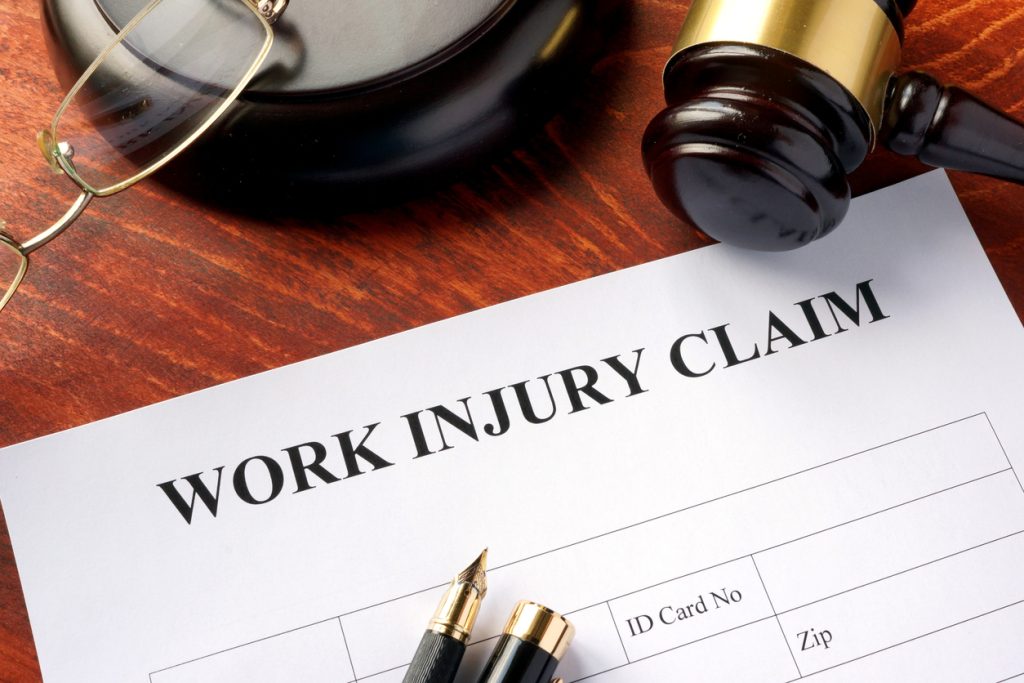
Workplace accidents can create immense financial strain and physical distress for injured employees in Denver. If you have been harmed while performing your job duties, you may feel overwhelmed by medical bills and lost wages. At Neumann Law Group, our experienced Denver work injury lawyers understand the challenges you face and strive to help you pursue the compensation you deserve. From minor slip-and-fall incidents to severe occupational hazards, we handle a wide range of work injury claims and work diligently to protect your rights when insurance companies attempt to minimize your case’s true value. We will guide you through every step of the legal process, offering personalized attention and full support during this difficult time. We encourage you to call us at (800) 525-6386 to learn more about your legal options. Contact us for a Consultation, and let us help you move forward with confidence and peace of mind. Act now.
Types of Work Injuries
Work-related accidents and occupational hazards in Colorado can lead to a broad range of injuries. These injuries may vary in severity, impact different parts of the body, and carry unique medical and legal considerations. Below is an overview of common types of work injuries, how they often occur in local workplaces, and how they can relate to Colorado’s workers’ compensation and third-party claims processes.
Head Injuries. Head injuries may include mild concussions or more serious traumatic brain injuries. Falls from heights (such as ladders or scaffolding), being struck by falling objects, and vehicle accidents on job sites are frequent causes. Even minor head trauma warrants medical evaluation because conditions like swelling or bleeding may worsen if left unchecked.
Back Injuries. Common causes of back injuries include poor lifting methods, repetitive movements, or accidents like slips and falls. Herniated discs, muscle strains, and spinal cord damage may occur. Treatment often involves physical therapy, pain management, or in serious cases, surgery. Proper ergonomics, safe lifting training, and use of safety devices (like back braces) can mitigate risks.
Broken Bones (Fractures). Falling, encountering machinery malfunctions, or being struck by heavy objects can fracture bones. Simple fractures might need casting, while more severe fractures require surgical repair with rods, plates, or screws. A broken bone can significantly limit a worker’s ability to perform routine tasks, sometimes for prolonged periods.
Repetitive Stress Injuries. Workers who type, assemble products on an assembly line, or do other tasks requiring repeated motions may develop repetitive stress injuries (RSIs) such as carpal tunnel syndrome or tendonitis. These conditions can make routine tasks painful. Workplace modifications or use of ergonomic equipment can curb the progression of RSIs.
Burn Injuries. Exposure to extreme heat, chemicals, or electricity can result in burns that range from mild to life-altering. Certain settings, particularly industrial or kitchen jobs, have a higher risk of burn injuries. Immediate medical attention is critical to minimize infection and tissue damage.
Sprains and Strains. Overexertion may inflame ligaments (sprains) or muscles and tendons (strains). Symptoms typically include swelling, pain, and limited mobility, making it difficult to continue certain physical tasks. Proper warm-ups, safety training, and support gear reduce the risk significantly.
Soft Tissue Injuries. Traumatic accidents or prolonged overuse can injure muscles, ligaments, and tendons. Sometimes these injuries remain undiagnosed in their early stages. Over time, they can worsen if not treated correctly. Early evaluation and rehabilitation plans can prevent minor strains from becoming more severe.
Electrical Injuries. Construction, engineering, and utility work all carry heightened risk of electrical shock or electrocution if safety procedures fail. Electrical injuries can cause severe burns, heart complications, and nerve damage. State regulations and workplace safety protocols—lockout-tagout, for instance—are designed to help prevent these hazards.
Crushing Injuries. Malfunctioning equipment or falling objects can trap a worker’s limbs or body. Such incidents may cause broken bones, crushing-related organ damage, or nerve impairment. Recovery can require complex surgeries, extended therapy, or lead to permanent disability in severe cases.
Lacerations. Workers using sharp tools or heavy machinery can suffer cuts that vary from superficial to life-threatening. Immediate cleaning and treatment can help avoid infections, and protective gear is often mandated on certain job sites.
Work-Related Illnesses. Inhaling toxic fumes, coming into contact with hazardous chemicals, or exposure to excessive noise can produce a spectrum of occupational illnesses. Respiratory conditions, skin problems, and even certain types of cancer can emerge. Employers are legally tasked with identifying and managing these risks through ventilation, protective equipment, and notice procedures.
Amputations. Catastrophic accidents with machines, conveyor belts, or power tools can lead to partial or complete loss of a limb or digits. These life-changing injuries often require prosthetics, physical therapy, and long-term rehabilitation.
Eye Injuries. Flying debris, unprotected chemical handling, or exposure to bright lights (like welding arcs) can harm a worker’s sight. Goggles, face shields, or specialized eyewear are critical in these environments.
If you have suffered any of these injuries on the job, a lawyer in Denver can help you understand your legal rights and options for compensation.
Occupational Disease vs. Traumatic Injury
Workplace injuries in Colorado are not always the result of a single incident. An occupational disease typically stems from certain hazards in the workplace—like chemicals or repeated exposure to a harmful substance. This contrasts with a traumatic injury, which is usually linked to a distinct event such as a slip and fall. Under Colorado law, the timeframe to report an occupational disease generally begins when the worker becomes aware, or reasonably should be aware, that they are suffering a work-related illness. Delay in recognizing exposure-related respiratory ailments, skin conditions, or other slow-developing illnesses can make it challenging to pinpoint a precise start date. Still, employees must notify their employer as soon as they suspect their work environment is connected to the condition. Prompt reporting preserves the right to claim workers’ compensation benefits. If you have questions about your rights, a Denver attorney can help explain the process and advocate for your interests.
Workers’ Compensation Claims
Under Colorado law, the majority of employers must carry workers’ compensation insurance to cover employees injured on the job. Workers’ compensation is generally the sole remedy for employees against their employers or coworkers in many injury scenarios, meaning a direct negligence lawsuit against an employer is typically not allowed if the worker’s injury falls under the scope of employment.
A major benefit of workers’ compensation in Colorado is that it functions on a no-fault basis. Injured employees do not have to prove that the employer acted negligently. Benefits may include:
Medical Benefits. This encompasses reasonable and necessary medical treatment, from doctor visits and medications to physical therapy and surgeries.
Wage Benefits. Injured workers who cannot work temporarily may receive two-thirds of their wages (subject to particular limits), known as temporary disability benefits.
Vocational Rehabilitation. If a severe injury forces a worker to change career paths, vocational rehabilitation can help with retraining or skill-building efforts.
Employers and insurance carriers are required to handle claims promptly. If an insurer delays or denies a claim unreasonably, the worker may contest this denial through specific legal procedures. Adequate knowledge of the Colorado workers’ compensation system helps ensure an injured worker’s rights are respected and preserved.
The Designated Provider List (Rule 16 Requirements)
Colorado’s Rule 16 generally requires employers to offer a list of authorized medical providers to any employee seeking treatment for a work-related injury. This list is usually referred to as the Designated Provider List (DPL):
Minimum Number of Providers. Employers in most areas must list at least four distinct healthcare providers or clinics. In more rural regions, the requirement may be two, if four are not available.
Proper Prompt Written Notice. The written list must be delivered to the worker—often at the time of injury report. If an employer fails to present this list, the employee might have the right to choose their own treating physician.
Authorized Treating Physician. The provider chosen from the list is known as the authorized treating physician (ATP), whose opinions on treatment, MMI, and impairment bear significant weight under Colorado law.
Seeking treatment outside of the designated network can result in the worker bearing medical expenses independently, unless an exception applies, such as an emergency or the employer’s failure to follow the proper procedures.
Key Steps and Deadlines in Colorado Workers’ Compensation Cases
Navigating workers’ compensation adjustments, forms, and procedures requires attention to detail. Missing a filing date or failing to follow certain processes might jeopardize benefits. Notable steps and deadlines include:
Reporting the Injury. Under Colorado law (C.R.S. § 8-43-102), workers must provide written notice to their employer within four days of a workplace injury, or risk losing one day of compensation for each day the report is late. Although the claim is not entirely barred, timely notice helps maintain credibility and ensures medical attention is documented early.
Choosing an Authorized Treating Physician. After providing notice, injured workers should receive a list of designated medical providers. Treatment must typically be through one of these providers unless there is an immediate necessity for emergency treatment.
Filing the Claim. In most cases, an employer files the First Report of Injury with its insurer. Workers can proactively submit a Worker’s Claim for Compensation (DWC-15) to the Division of Workers’ Compensation for added protection, preserving a formal record of their claim should the employer or insurer fail to do so.
Responding to Insurance Requirements. An insurer may request documentation or an independent medical examination (IME). Cooperating in a reasonable manner helps keep the claim moving. However, detailed personal notes and copies of all related records can assist if controversies arise.
Maintaining Records. Any evidence of medical treatments, work absences, and injury-related communications should be carefully kept. This documentation becomes critical if there is debate about the origin, severity, or appropriate course of treatment for the injury.
Being organized and adhering to prescribed timelines is key to preserving eligibility for the full range of workers’ compensation benefits. If you have questions or concerns about any of these steps, discussing your situation with an attorney in Denver can help you understand your rights and responsibilities.
The “Four-Day” Rule Nuance
An injured Colorado worker must generally provide written notice of the injury within four days. Failing to do so prompts the risk of losing one day of compensation for every day the notice is delayed beyond four days. While the law does not automatically invalidate a claim solely due to late notice, late reporting can lead to disputes over whether the injury truly occurred on the job. Prompt reporting supports a more straightforward connection between the accident and the claimed injuries.
Maximum Medical Improvement and Disability Classifications
An authorized treating physician measures the injured worker’s improvement and often determines when treatments can no longer significantly advance recovery. Key concepts:
Maximum Medical Improvement (MMI). The date when further treatment is deemed to provide no further meaningful benefit is referred to as MMI. After an authorized treating physician concludes the worker has reached MMI, temporary disability benefits typically cease.
Temporary vs. Permanent Disability.
• Temporary Total Disability (TTD). Covers wage replacement if the worker cannot perform any form of work.
• Temporary Partial Disability (TPD). Represents compensation for reduced earning capacity if the worker can conduct lighter or reduced-hour duties while recovering.
• Permanent Partial Disability (PPD). If the worker retains a permanent impairment but can still work, they may receive PPD benefits based on the extent of impairment.
• Permanent Total Disability (PTD). Granted if the worker’s injuries prevent them from any gainful employment indefinitely.
Impairment Ratings. Once MMI is reached, a doctor assigns an impairment rating. That rating is a core factor in determining how much compensation is owed under PPD or PTD.
Comprehending these categories positions workers to better understand how Colorado’s system calculates benefits.
Calculating Wage Benefits: Average Weekly Wage (AWW)
Wage replacement benefits in Colorado often hinge on the injured worker’s Average Weekly Wage (AWW). Generally, TTD or TPD benefits equate to about two-thirds of the worker’s AWW, up to a statutory maximum that the state adjusts periodically. The AWW can incorporate overtime, tips, or other forms of income. Special calculations can apply to part-time or seasonal workers who have variable earnings. Since the worker receives only a fraction of their usual compensation, accurately determining the AWW is essential to securing the maximum permissible temporary disability benefits.
Death Benefits in Colorado Work Injury Cases
When workplace injuries are fatal, Colorado law provides death benefits to surviving dependents:
Burial Expenses. Reasonable funeral costs, typically up to an amount specified by law at the time of death, are generally covered by workers’ compensation insurance.
Wage Replacement for Dependents. Surviving spouses, children, or other dependents may receive ongoing wage benefits based on a percentage of the deceased worker’s AWW.
Eligibility. The definition of “dependent” encompasses individuals financially reliant on the deceased worker, such as minor children or a surviving spouse who depends on the worker’s earnings.
Although no amount of money can truly alleviate the loss, these benefits can bring some financial security to families in difficult times.
Families navigating the challenges of a fatal workplace injury may wish to consult a Denver lawyer to discuss their rights and options.
Going and Coming Rule
Colorado generally excludes ordinary commutes from workers’ compensation coverage under the “Going and Coming Rule.” However, certain exceptions can apply:
Integral Travel Duties. A traveling salesperson or delivery driver could be eligible for coverage if injured while traveling for work.
Special Errands. If an employer directs a worker to pick up supplies or run a job-related errand, the trip might fall under workers’ compensation protection.
Employer-Provided Transportation. In some circumstances, if an employer provides a company car or reimburses travel time, the worker may be covered even when traveling.
Whether a claim falls within these exceptions depends on the unique facts of each case.
Filing the DWC-15 Form
Although employers usually file a First Report of Injury, submitting a Worker’s Claim for Compensation (DWC-15) form directly to the Division of Workers’ Compensation is often advisable for employees, especially if:
The Employer Delays or Fails to Report. Filing preserves the worker’s interests if the employer or insurer does not submit proper documentation on time.
Disputes Over the Claim. Having a record in the Division’s system can help the worker support the claim if the insurer contests compensability.
Filing this form is a protective measure, ensuring the Division is officially notified of the injury and the worker’s intention to claim benefits.
Third-Party Work Injury Lawsuits
Workers’ compensation typically prevents an employee from suing their employer for negligence, but it does not shield other negligent parties from liability. Situations that might give rise to a third-party claim include:
Negligent Motorist. A delivery worker struck by a careless driver may seek damages from that driver.
Faulty Property Conditions. A worker providing services on a client’s property may have a cause of action if unsafe property conditions caused the accident.
Defective Machinery. If a product defect leads to an injury, the injured worker might have a product liability claim against the machine’s manufacturer.
Poor Equipment Maintenance by a Third Party. If negligent servicing or repair by an outside contractor contributed to the injury, that contractor may face liability.
Third-party lawsuits allow recovery of damages for pain and suffering, which are not part of workers’ compensation benefits. However, the workers’ compensation carrier may assert a subrogation claim against any third-party recovery, seeking reimbursement for benefits already paid out.
Proving the Fault of a Third Party for Work Injuries
A worker must typically demonstrate that the third party owed a duty of care, breached that duty, and caused damages. For example:
Duty of Care. The third party (like a property owner or negligent delivery driver) is expected to act with reasonable caution.
Breach. Failing to fix known hazards or driving recklessly may constitute a breach of this duty.
Causation. The breach must be closely tied to the worker’s injuries.
Damages. Must show real harm—physical, financial, or mental—stemming from that negligence.
Under product liability theories, proving that a product was unreasonably dangerous and caused harm can form much of the basis for recovery.
If you need help with a third-party claim for a work injury, attorneys in Denver can guide you through your options.
Comparative Negligence in Third-Party Work Injury Lawsuits
Colorado operates under a modified comparative negligence standard. If the worker’s fault is found to be 50 percent or less, they may recover a reduced damage award reflecting their percentage of fault. If it is above 50 percent, no recovery is permitted. Thus, if a worker is 25 percent responsible for an incident and a third party is 75 percent responsible, any potential award is reduced by 25 percent.
Subrogation in Third-Party Cases and the “Made Whole” Doctrine
When an employee’s medical bills and lost wages have been covered by workers’ compensation, the insurer typically holds a subrogation interest in any third-party recovery. This means that if the worker later settles or wins a lawsuit against a third party, the insurer may recover the portion of the damages corresponding to benefits it has already paid. Colorado also recognizes the “Made Whole” principle, under which some considerations may reduce the insurer’s lien if a worker has not been adequately compensated for all losses, including non-economic damages. Navigating subrogation requires an understanding of applicable statutes and the specifics of any settlement agreement with the at-fault party.
Common Defenses and Pitfalls in Work Injury Claims
Employers, insurers, and third-party defendants often defend themselves by arguing:
Lack of Prompt Notice. Seeking to reduce benefits based on failure to meet the four-day notice requirement.
Unauthorized Medical Care. Denying payment for treatment outside the designated provider list (unless circumstances like emergencies or employer non-compliance apply).
Questioning Course and Scope. Positioning the injury as not job-related if it occurred off-site for personal reasons.
Alleged Safety Violations by the Worker. Claiming the worker’s misconduct or impairment contributed significantly to the accident.
Preexisting Conditions. Suggesting that a worker’s current complaints actually stem from prior injuries or congenital issues.
Comparative Negligence (in third-party suits). Reducing the award by the worker’s degree of fault.
Understanding potential defenses and pitfalls can help workers maintain consistent documentation and carefully adhere to reporting and treatment guidelines.
When Qualified Professionals May Be Needed
Certain work injury disputes call for specialized knowledge to explain complicated details:
Engineers or Construction Professionals. Help clarify whether equipment or structural elements met accepted industry standards.
Safety Professionals. Show whether the workplace environment, including ergonomic setup, followed recognized safety guidelines.
Medical Opinions. Specialists or treating providers can confirm whether the injuries match the alleged cause and help determine the long-term outlook.
These insights can be especially decisive in complex third-party suits, where documented evidence must demonstrate negligence, product defects, or protracted medical needs.
Damages in Third-Party Work Injury Lawsuits
Third-party claims allow broader damages beyond what workers’ compensation provides:
Medical Expenses. Reimbursement for current and future treatment costs, including long-term therapy.
Lost Wages. Reimbursement for pay lost if the worker is unable to perform past work duties.
Future Loss of Earning Capacity. Compensation to address diminished capacity to earn a living due to persistent injuries or impairments.
Non-Economic Damages. Such as pain and suffering, emotional distress, or loss of enjoyment of life.
Scarring or Disfigurement. In some cases, compensation may address permanent physical scarring.
Any settlement or award must typically account for the workers’ compensation insurer’s subrogation claim, so the net recovery may be reduced.
A Denver attorney can help you understand what damages may be available and navigate the complexities of a third-party work injury lawsuit.
Statute of Limitations in Third-Party Work Injury Lawsuits
Most Colorado personal injury actions have a two-year statute of limitations from the injury date, though claims involving motor vehicle accidents often extend to three years. Missing these deadlines usually results in the worker losing the right to sue the negligent party. Determining which deadline applies can be nuanced, especially if the matter involves multiple potentially liable parties or delayed discovery of injuries. Promptly identifying claim deadlines prevents forfeiture of the right to pursue compensation.
Settlements in Third-Party Work Injury Lawsuits
Third-party lawsuits often settle rather than proceed to trial. Factors influencing settlement include:
Degree of Negligence. If fault is comparatively clear, a third party is more likely to negotiate a settlement.
Medical Documentation. Thoroughly documented injuries and expenses support a stronger negotiating position.
Comparative Fault Concerns. If the worker shares some blame, a negotiated discount of damages may result.
Subrogation Liens. Any insurance carrier’s subrogation interest must be satisfied or negotiated, which affects the worker’s final payout.
Because a settlement concludes the case permanently, an informed decision about whether to accept an offer is essential.
Additional Workplace Situations and Considerations
Colorado’s workers’ compensation system and related third-party claims may involve special circumstances:
Traveling Employees. Individuals who consistently travel may be covered if they are carrying out a work function when injured.
Off-Site Breaks and Tasks. If an employee is hurt during a break or while running personal errands, compensability might be disputed unless they were performing an employer-directed activity.
Independent Contractor Status. Some workers are labeled as independent contractors but, under the law, may still qualify as employees if the hiring entity exerts extensive control.
Occupational Diseases with Delayed Onset. Conditions such as asbestosis can emerge years after exposure, requiring extensive documentation to show work-related causation.
In these scenarios, knowing how to secure and preserve evidence—from time sheets and daily logs to medical exams—can be decisive.
Practical Tips for Injured Workers in Colorado
Workers can increase their likelihood of receiving benefits by following key best practices:
Promptly Document the Event. Even if it seems minor, note every detail, gather witness information, and take photographs if helpful.
Seek Timely Medical Attention. Early evaluation helps ensure that injuries are diagnosed and documented.
Follow the Authorized Treatment Plan. Unless exceptions apply, adhere to the authorized treating physician’s directions and keep follow-up appointments.
Complete and File the DWC-15. Doing so helps protect the claim if the employer or insurer is slow to report or disputes the circumstances.
Keep Organized Records. Save medical bills, medication lists, off-work slips, and notes of conversations. This can clarify timelines if questions arise.
Understand Potential Third Parties. Evaluate whether a contractor, property manager, or driver also bears liability.
Pay Attention to Deadlines. Respect the four-day notice requirement and any subsequent filing or objection deadlines that govern workers’ compensation cases.
Thorough documentation and awareness of key processes can help avoid unnecessary reduction or denial of benefits. Consulting with an attorney in Denver may provide further guidance on navigating workers’ compensation claims.
Putting the Pieces Together
Colorado workers have multiple avenues for recovering workplace injury-related costs and losses. Workers’ compensation provides no-fault benefits for medical expenses and partial wage replacement. Meanwhile, a third-party claim may allow additional damages. Key considerations include:
Confirming Eligibility Under the Colorado Workers’ Compensation Act. Confirm employee status and adherence to notice rules.
Determining Whether Exceptions Apply. For instance, examine whether an injury is excluded by the Going and Coming Rule or potentially covered by an exception.
Watching Out for Subrogation. If pursuing a lawsuit against a negligent third party, anticipate that the workers’ compensation insurer may seek reimbursement from any settlement or verdict.
Evaluating Medical Opinions. Recognize how MMI, disability ratings, and authorized treating physician findings influence benefit amounts.
Considering Broader Damages. Determine whether the harm goes beyond lost wages and medical bills, such as future care needs or emotional distress.
By navigating each angle diligently—securing authorized treatment, adhering to filing deadlines, and analyzing whether a third party may be at fault—injured workers can safeguard their rights to compensation.
Resolving Disputes Through the Colorado Office of Administrative Courts (Hearing and Appeal Mechanisms)
Despite clear rules in Colorado, disagreements can arise between an injured worker and the employer or insurer over compensability, the severity of an injury, or the type and duration of benefits. In such cases, the Office of Administrative Courts (OAC) provides a forum where these disputes can be heard and resolved by an administrative law judge (ALJ). Key points include:
Requesting a Hearing. If the insurer issues a notice contesting the claim or the worker disputes an insurer’s decision (for example, a refusal to authorize specific treatment or a disagreement about the scope of benefits), the worker can request a hearing. The request typically involves submitting a formal application for a hearing to the OAC.
Pre-Hearing and Settlement Conferences. Before the actual hearing, the Division of Workers’ Compensation offers pre-hearing services, where an administrative judge not assigned to the final hearing can mediate or clarify legal questions. Settlement conferences also occur, providing an opportunity for the parties to negotiate a compromise without proceeding to a full hearing.
The Hearing. At the OAC hearing, both sides present evidence, call witnesses (including medical professionals and other experts), and submit documents supporting their position. An ALJ then issues a written order deciding on the disputed issues.
Appeals. If either party disagrees with the ALJ’s order, they may appeal to the Industrial Claim Appeals Office (ICAO). From there, the case can potentially be appealed further to the Colorado Court of Appeals and the Colorado Supreme Court in limited scenarios.
Understanding these hearing and appeal steps is essential for workers who face denial or delay tactics. Preparing appropriate documentation and obtaining supportive medical opinions can strengthen a worker’s position in resolving a claim dispute.
Sometimes the authorized treating physician’s conclusions—regarding either the date of MMI or the permanent impairment rating—become a focal point of conflict between a worker, an employer, and the insurance carrier. In Colorado, there are two possible medical examinations that may occur:
The Insurer’s Independent Medical Examination (IME). An insurer might request an independent exam by a doctor outside the authorized treating physician’s network to evaluate whether continued treatment is necessary or to assess the nature and extent of the worker’s injuries. While “independent,” these exams are typically arranged by the insurance carrier, and workers should attend unless there is a valid reason to object.
The Division Independent Medical Examination (DIME). If a worker disputes the authorized treating physician’s MMI determination or impairment rating, Colorado law allows them to pursue a DIME. Unlike the insurer’s IME, a DIME follows a specific statutory procedure. The worker must request the DIME through the Division of Workers’ Compensation, pay a portion of the examination fee, and select among a list of qualified physicians designated by the Division. The DIME physician’s opinion carries substantial weight. Once the DIME opinion is issued, it becomes the baseline determination of MMI and impairment unless successfully challenged by clear and convincing evidence.
This DIME process can be pivotal if the worker believes their condition has not stabilized or that their impairment rating has been incorrectly calculated by the authorized treating physician. Timely filing for a DIME is critical, as strict deadlines apply once an insurer issues documents indicating MMI or permanent impairment.
A Denver lawyer can assist in navigating the complexities of IME and DIME procedures to help protect your rights.
Insurer Obligations and Timeframes
Colorado requires insurers to follow certain timelines and procedures when adjusting workers’ compensation claims:
Notice of Contest or Admission. Once an employer notifies the insurer about a work injury, the insurer should promptly investigate to decide whether to admit or contest liability. Often, insurers file a Notice of Contest or a Notice of Admission of Liability within 20 days (or a similarly defined window) after learning of the claim.
Communication Requirements. The insurer should maintain open communication with the injured worker, authorizing or denying treatments in a timely fashion. Delays or failures to respond could be considered unreasonable and lead to penalties.
Prompt Payment of Benefits. If the claim is admitted, TTD or TPD payments should begin promptly, and medical bills for authorized treatment should be paid directly to providers or reimbursed to the worker.
Monitoring Updated Medical Information. As the worker progresses through treatment, the insurer should adapt and update the status of benefits accordingly.
These timeframes are designed to ensure workers receive due benefits without facing undue delays. If the insurer drags its feet or unreasonably denies benefits, the worker may pursue remedies through the Division and the OAC process.
Scheduled vs. Whole Person Permanent Partial Disability
When a worker reaches MMI, the physician may assign a permanent impairment rating. In Colorado, that rating typically falls into one of two categories for PPD benefits:
Scheduled Impairment. These are injuries to specific body parts outlined on a “schedule,” such as arms, legs, feet, hands, or digits. Colorado law applies a formula to each body part that multiplies the impairment percentage by a set number of weeks. The compensation total is then calculated at the applicable rate for the worker’s wages.
Whole Person Impairment. If the impact is to parts of the body not included on the schedule—such as the spine or internal organs, or if multiple scheduled injuries warrant a combined rating—benefits are determined under a “whole person” formula. This formula often involves a different method of calculation, taking into account the worker’s overall bodily function.
Understanding which category applies can significantly affect the duration and amount of PPD benefits. In some situations, multiple injuries may fold into a single whole-person rating rather than separate scheduled ratings.
Final Admission of Liability and Objection Deadlines
A turning point in many Colorado workers’ compensation cases occurs when the insurer issues a Final Admission of Liability (FAL). This document typically addresses whether the insurer admits liability permanently, confirms MMI status, and outlines the benefits the insurer believes it owes. Upon receiving a Final Admission of Liability:
Worker’s Review. The worker should analyze it carefully. If the worker disagrees with the MMI date, the impairment rating, or the benefits awarded, they must dispute it.
30-Day Objection Window. Generally, the worker has 30 days to file an objection to the Final Admission. Failing to object within this window can forfeit the right to challenge the issues in the admission.
Potential DIME Request. If the dispute involves MMI or the permanent impairment rating, the worker may request a DIME within the appropriate timeframe.
Requesting a Hearing. The worker may also file an application for hearing if there are additional contested aspects not resolved through the admission.
It is crucial for injured workers to keep track of mail or email notices and consult the timeline carefully once a Final Admission of Liability is issued. If you have questions about objecting to a Final Admission or need guidance with the process, speaking with a lawyer in Denver can help protect your rights.
Workers’ Compensation Settlements in Colorado
In addition to the possibility of litigation and administrative hearings, many workers’ compensation claims settle before hearings or after medical stability is reached:
Full and Final Settlement. An insurer and a worker can negotiate an agreement whereby the worker receives a lump sum or structured settlement in exchange for giving up certain future rights, including potential medical benefits.
Open Medical vs. Closing Medical. Some settlements allow injured workers to keep medical benefits open for the specific injury, while others settle medical benefits entirely. Retaining open medical coverage may give the worker continued access to authorized treatment but could lower the lump-sum payout.
Considerations. When deciding whether to settle, the worker often weighs the certainty of a settlement against the possibility of obtaining more benefits through hearings or further medical care. Settlement negotiations might address the impairment rating, potential future medical needs, subrogation issues, or prior disputes about compensability.
Before signing any full and final settlement, a worker should be sure about future treatment needs and whether the settlement amount comprehensively accounts for these ongoing costs.
Dispute Resolution Timeline Overview
The following provides a simplified view of how timeframes and dispute resolution might flow:
Injury Occurs → Worker notifies employer within four days.
Employer Files First Report → Insurer investigates.
Insurer Issues Admission or Contest → Typically within about 20 days of learning of the injury (though the timeline can vary).
Worker or Insurer Disputes → Request hearing or file an application within statutory deadlines.
OAC Hearing → Parties present evidence, culminating in ALJ’s written order.
Potential Appeal → Parties may appeal to the Industrial Claim Appeals Office, with further appeals going to higher courts.
Final Admission of Liability → Can be issued at various stages, particularly once MMI is determined. Worker has 30 days to object if dissatisfied.
Potential DIME → If the worker challenges the MMI date or impairment rating, a DIME may be conducted.
Settlement Discussions → Can occur at nearly any stage, but commonly after MMI or if the parties see a mutual benefit to resolving the dispute.
Maintaining awareness of deadlines, thorough documentation, and an understanding of each step’s significance can bolster the injured worker’s position.
Practical Tips Specific to Dispute and Appeal Stages
Throughout the hearing and appeal phases, an injured Colorado worker can strengthen their stance by following these additional suggestions:
Carefully Review All Insurance Documents. Notices, letters, and forms from the insurer or employer may contain essential information about deadlines or required actions.
Maintain Updated Medical Records. Continue attending appointments, following physician recommendations, and retaining copies of any new medical notes or referrals. This record can be invaluable during a hearing.
Prepare for Testimony. If the matter proceeds to an OAC hearing, clearly and consistently describe how the injury happened and its impact on daily life and work capabilities.
Explore Mediation or Settlement Conferencing. Sometimes disputes can resolve faster through informal negotiations or mediation facilitated by pre-hearing or settlement conferences.
Keep Communication Professional. Written communications can be exhibits in a hearing. Be factual, polite, and precise in communications with the employer, insurer, and medical offices.
Pay Attention to the DIME Process. If the main disagreement concerns MMI or the numeric impairment rating, a DIME might be the best avenue to challenge the authorized treating physician’s opinions, provided requests follow the correct timeline.
A Denver attorney can provide guidance and representation throughout these dispute and appeal stages.
Coordinating Workers’ Compensation and a Third-Party Claim
In many work injury scenarios, a third-party lawsuit may be pursued concurrently with a workers’ compensation claim. While these two routes are generally independent, they intersect when:
Subrogation Interests Arise. If a worker obtains a settlement from a third party, the workers’ compensation carrier expects reimbursement for the medical and wage benefits it has paid.
Fault Investigations Overlap. Evidence of the third party’s accountability could also illuminate how the worker was injured, but it might not directly affect workers’ compensation benefits.
Timing and Strategy. An injured worker may prefer to see how the workers’ compensation claim resolves, since it establishes medical documentation, wage loss amounts, and other factual determinations that might inform a related civil lawsuit.
Coordinating the two claims involves proper planning to reduce conflicts and ensure a fair resolution of subrogation liens.
Examples of Complex Colorado Work Injury Cases
Sometimes, combining issues of workers’ compensation with potential third-party liability turns a fairly straightforward injury claim into something more complex:
Construction Site Falls. A carpenter might sustain injuries from a fall off scaffolding owned by a different subcontractor. While the carpenter files for workers’ compensation through their employer, they might also sue the subcontractor if it installed or maintained the scaffolding improperly. Questions about how much each party is at fault often arise.
Trucking Accidents. A driver working for a transportation company might be entitled to workers’ compensation after being hit by a negligent motorist. Concurrently, the driver can file a claim against that at-fault motorist. Subrogation becomes critical if the worker recovers in the third-party case.
Equipment Malfunction. Workers might suffer from a faulty machine lacking proper safeguards. The manufacturer could be pursued under a product liability theory, while the worker claims workers’ compensation for medical expenses and lost wages.
In each scenario, clarifying roles, responsibilities, and which insurance applies is a cornerstone of handling the case effectively.
How Workers’ Compensation Settlements Differ from Third-Party Settlements
A worker may receive two different settlement packages if both a workers’ compensation claim and third-party claim are valid, but they differ:
Workers’ Compensation Settlement. Generally covers wage loss, medical expenses, and certain disability benefits under statutory formulas. Non-economic damages (pain and suffering) are not included. Settling often involves giving up rights to reopen a claim for changes in condition, though partial settlements leaving medical benefits open can occur.
Third-Party Settlement. Might encompass all economic damages (like future lost wages) and non-economic damages (like pain and suffering). Income from a third-party settlement can be more extensive in scope but is subject to subrogation for amounts already paid by the workers’ compensation insurer.
Balancing these settlement considerations ensures that an injured worker does not inadvertently sacrifice potential compensation or misunderstand the interplay between both sources of recovery.
Broader Impact of a Work Injury on Employment
Suffering a workplace injury can also affect employment status, career trajectory, and future earning power:
Modified Duty Assignments. Employers sometimes provide “light duty” for workers recovering from injuries. The feasibility of returning to one’s original position depends on medical restrictions.
Americans with Disabilities Act (ADA). If a workplace injury leads to a lasting disability, the employer may be subject to ADA accommodations, such as modified tasks or equipment.
Vocational Retraining. When returning to the original job is no longer possible, Colorado’s workers’ compensation system may offer vocational rehabilitation. This can help the worker train for a different role that accommodates any physical limitations.
Workplace injuries often have a ripple effect beyond medical bills—especially when permanent restrictions alter a worker’s earning capacity or job options. An experienced attorney in Denver can assist with navigating employment issues that arise after a work injury.
Documenting the Effects of the Injury in Day-to-Day Life
Whether a claim is handled administratively for workers’ compensation or includes a civil lawsuit, consistent personal records strengthen a case:
Pain Journal. Noting symptoms each day helps establish the timeline, severity, and persistence of pain or limitations.
Treatment Records. Keeping copies of physical therapy appointments, X-rays, or referrals ensures no relevant record is overlooked.
Employment Impacts. Notes about absenteeism, reduced hours, or tasks that are difficult to perform can clarify wage loss and potential eligibility for TTD or TPD benefits.
Emotional and Social Considerations. If relevant in a third-party case, diaries of emotional distress or ways the injury affects family or social interactions can be used to demonstrate non-economic damages.
These details often prove valuable when negotiating with insurers or presenting evidence to an ALJ or jury.
Proactive Steps for Safer Work Environments
Beyond seeking compensation after an accident, Colorado workers and employers can focus on preventing injuries:
Proactive Hazard Assessments. Regularly evaluating job sites for risks such as slips, electrical hazards, or machinery defects can reduce accidents.
Comprehensive Safety Training. Employees should receive adequate training on equipment operation, lifting techniques, and emergency procedures.
Proper Maintenance. Machinery and tools must be maintained per industry standards to minimize breakdowns or malfunctions that could injure workers.
Adequate Staffing and Scheduling. Overworked or fatigued employees are more prone to accidents, underscoring the importance of balanced staffing.
Communication Channels. Encouraging employees to report near-misses or potential hazards without fear of retaliation fosters a safer workplace.
Although accidents cannot be eliminated entirely, compliance with state regulations and consistent safety practices significantly lowers injury rates.
Return-to-Work Considerations
The path back to work after an injury is often influenced by medical opinions, workplace policies, and legal requirements:
Transitional Work Programs. Some employers arrange transitional or light-duty assignments that let employees gradually resume tasks while following medical restrictions.
Regular Check-Ins with the Authorized Provider. The worker’s doctor may periodically evaluate improvement and adjust any restrictions.
Potential Job Modifications. Employers might be required to accommodate specific needs under state or federal law if a disability is involved.
Impact on Benefits. Depending on whether the injured worker returns full-time or part-time, TPD benefits might decrease or end once the worker’s wages approach pre-injury levels.
Staying in communication with both the medical provider and employer helps ensure a smoother transition and reduces potential disputes.
Final Thoughts on Navigating Work Injuries in Colorado
Colorado’s workers’ compensation laws and the possibility of third-party claims form a legal framework to protect injured employees and simultaneously assign liability to third parties when applicable. Yet the system’s complexities—notice requirements, designated providers, deadlines, dispute resolution processes, multiple types of disability benefits, and subrogation issues—can be daunting. Recognizing each step of a claim, from the initial four-day notice to possible appeals of an ALJ decision, positions injured workers to pursue optimal outcomes. Careful documentation, adherence to procedural rules, and understanding how subrogation interacts with third-party suits help ensure no legitimate avenue for compensation is overlooked.
In tandem, employers, insurers, and workers can benefit from clearer expectations about safety procedures, authorized medical care, claim filing, and dispute resolution. Keeping track of insurer obligations—such as the timeline for filing admissions or notices—further preserves the worker’s right to medical and wage replacement benefits. Should conflicts arise, the Colorado Office of Administrative Courts provides an avenue for hearings, while the Division Independent Medical Examination process offers a formal way to challenge certain medical determinations. In more severe cases, or when negligence by non-employer entities surfaces, third-party lawsuits can offer expanded categories of damages. Ultimately, a thorough understanding of both the statutory framework and how different claims may interact can help injured workers pursue the relief they need under Colorado law. If you have questions about your rights or what steps to take, a Denver lawyer can help navigate work injury claims and protect your interests.
Let Us Help You Pursue Compensation
https://www.neumannlawgroup.com/lawyers/The attorneys at Neumann Law Group strive to provide compassionate guidance to Denver workers who have suffered on-the-job injuries. Our experienced Denver lawyers are committed to navigating the legal complexities of your workers’ compensation and, when applicable, third-party claims. We know how frustrating it can be to deal with insurance companies while trying to recover, which is why we focus on helping you pursue the compensation you deserve for medical expenses, lost wages, tied to your accident. From explaining your legal rights to proposing strategic solutions, we prioritize open communication so you can move forward with confidence. We also recognize that every client’s situation is different, and we tailor our approach to fit your needs. If you are ready to discuss the next steps, call Neumann Law Group at (800) 525-6386 today, and schedule a Consultation to learn more about your legal options. We look forward to further helping you.
Helpful staff who is always there for you. Dedicated to serving your needs.
- Joyce L.
I was involved in a terrible motor vehicle accident and was able to obtain a large settlement that will take care of me for the rest of my life. I also referred my friend to Neumann Law Group regarding a medical malpractice matter. She has also been overly satisfied with this firm. I highly...