
COMMITTED TO JUSTICE
in Detroit and Beyond



A motorcycle accident in Grand Rapids can leave a rider facing surgery, months away from work, a damaged bike, and insurance questions that become urgent before the first medical bill arrives. A driver turning across 28th Street, a vehicle drifting into a motorcycle’s lane on US-131, or a delivery van pulling out along Alpine Avenue can change an ordinary ride in an instant.
An injured motorcyclist needs answers to several different questions: Who caused the collision? Which insurer should receive the medical claim? What evidence explains the rider’s injuries? What happens if the driver has limited coverage? How quickly must the claim be pursued?
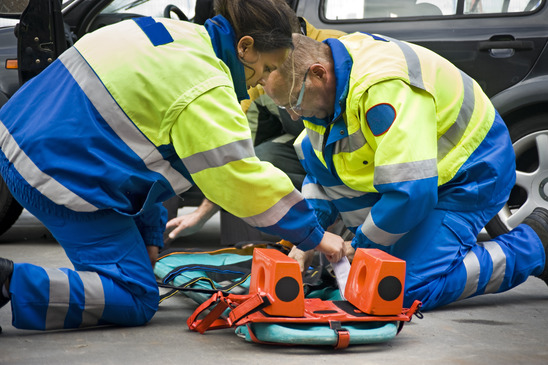
Michigan treats motorcycle insurance differently from automobile insurance. A motorcycle is excluded from the no-fault act’s definition of a motor vehicle. Nevertheless, an eligible rider injured in an accident involving a car or truck may qualify for personal injury protection, or PIP, through a statutory order of insurers. A separate claim against a negligent driver can address other legally recoverable losses.[^1][^2]
At Neumann Law Group, our Grand Rapids motorcycle accident attorneys help injured riders and families investigate the crash, understand available benefits, and pursue supported compensation. Our Grand Rapids office is located at 250 Monroe Avenue NW, Suite 400, Grand Rapids, MI 49503. Call (616) 717-5666 or (800) 525-6386, or contact our office to request an initial consultation.
| Issue | What injured riders should understand |
| Medical benefits | PIP may be available when a qualifying motor vehicle was involved, subject to eligibility, priority, and coverage rules. |
| A crash involving only a motorcycle | A fall, deer collision, or motorcycle-only collision generally does not create ordinary auto PIP eligibility without qualifying motor vehicle involvement. |
| Which insurer pays | Motorcycle-specific priority rules ordinarily start with the insurer of the involved motor vehicle’s owner or registrant. |
| Pain and suffering | A claim arising from an insured automobile’s use generally requires the Michigan injury threshold, along with proof of fault and causation. |
| Shared responsibility | Fault can reduce recovery. More than 50% rider fault generally bars noneconomic recovery under the motor vehicle rule. |
| Helmet use | Michigan permits some adults to ride without a helmet only when statutory age, experience or training, and medical-benefit conditions are satisfied. |
| Ordinary injury lawsuit | A negligence action generally has a three-year filing period, subject to exceptions. |
| Earlier requirements | PIP, government-road claims, insurance contracts, and evidence preservation require attention much sooner. |
| Damage to the motorcycle | Physical damage coverage and the legal status of the defendant require a separate review; automobile mini-tort rules should not be copied into a motorcycle claim. |
The FAQs below explain these distinctions, including why an uninsured motorcycle owner can face different rules for PIP benefits and pain-and-suffering claims.
Motorcycles interact with several different transportation settings in metropolitan Grand Rapids: commercial corridors, neighborhood intersections, downtown streets, high-speed freeway connections, and roads serving industrial and airport-area destinations. Each setting creates a different visibility and maneuvering problem.
Michigan’s Secretary of State reported in its May 2026 motorcycle safety announcement that 84% of motorcyclist crashes with another vehicle happen on busy streets, and that left-turning vehicles are a major concern. These are statewide observations, not Grand Rapids intersection counts. GVMC’s motorcycle safety guidance also emphasizes intersection visibility, blind spots, and following distance.[^3][^4]
A driver may see a motorcycle too late, misjudge its distance, or fail to look again before turning. A rider may have little room to avoid a vehicle entering the lane. A surface defect that is uncomfortable in a car may destabilize a motorcycle. These possibilities explain what an investigation should examine; the evidence must establish what actually happened in the individual case.
The following guide examines specific places where roadway movements can create conflicts for motorcyclists. It includes Grand Rapids and nearby communities such as Wyoming, Kentwood, Walker, and Cascade Township. Some roads cross municipal boundaries, so the precise crash location matters when identifying police records, road responsibility, and other evidence.
About the locations: These are corridor and intersection risk analyses based on the local road network and transportation safety information. They are not a numerical ranking of motorcycle crash frequency. GVMC provides regional crash dashboards and a safety action plan, but establishing a motorcycle-only ranking would require a defined period, consistent vehicle classifications, and an appropriate geographic analysis. All-vehicle intersection totals do not answer that question.[^5]
Motorcycle Crash Areas at a Glance
| Area | Specific locations to examine | Motorcycle-specific conflicts |
| 28th Street at East Beltline/Broadmoor | The junction and each signalized approach | Left turns, obscured approaches, and vehicles crossing a rider’s path |
| Western 28th Street | US-131, Division, Clyde Park, and Burlingame areas | Driveway entries, stopped traffic, and turns across multiple lanes |
| Central and eastern 28th Street | Kalamazoo, Breton, and Patterson intersection areas | Signal disputes, lane changes, and commercial access |
| 44th Street | US-131 approaches and intersections toward Division and Eastern | Ramp traffic, turning vehicles, and rear-end crashes |
| East Beltline | Fulton, Leonard, Knapp, and nearby freeway access | Speed differences, gaps in traffic, and crossing movements |
| Alpine Avenue | I-96, commercial entrances, and Walker-area connections | Merging, driveway turns, and blind spots |
| Plainfield Avenue | Leonard Street, the Four Mile area, and I-96 access | Left turns, queues, and vehicles entering the corridor |
| Division Avenue | Burton, Hall, Franklin, and intervening business access | Turning and crossing conflicts on an urban arterial |
| US-131 | Downtown S-curve and approaches from 28th Street | Curves, lane intrusions, ramp decisions, and sudden queues |
| I-96 and I-196 | Major interchange approaches and downtown connections | Merging, vehicles changing lanes, and secondary impacts |
| M-6 | US-131 and Broadmoor connections and southern approaches | Ramp speed transitions, merging, and pavement hazards |
| Downtown surface streets | Michigan, Fulton, Pearl, and Monroe areas | Parking maneuvers, pickup activity, doors, and intersection turns |
1. 28th Street and East Beltline/Broadmoor: Left Turns and Cross-Traffic Conflicts
Where: The 28th Street junction with East Beltline Avenue and Broadmoor Avenue, together with the approaches leading into the intersection.
This location requires attention to the motorcycle’s exact approach and the other driver’s intended movement. A rider traveling straight through a signalized intersection faces a different conflict from a rider already turning or preparing to change lanes. A vague description such as “the Beltline intersection” can hide those differences.
One important scenario is a driver turning left across an approaching motorcycle. The driver may misjudge the available gap or may look beyond the motorcycle toward a larger vehicle. Another scenario involves a driver crossing through a gap in stopped traffic while the motorcycle approaches in a separate lane. A truck or SUV in the queue may temporarily obstruct the view.
A rider can be visible before the turn begins yet become difficult to distinguish against traffic, signs, or the background from a particular viewing position. That possibility makes the driver’s observation and decision timing important. A statement that the driver “never saw the bike” does not establish that the motorcycle could not have been seen.
Evidence priorities: Identify the lane and signal controlling each vehicle, the point where the turn began, and the motorcycle’s position at that moment. Available business footage, vehicle cameras, witness observations, damage patterns, and scene measurements can help reconstruct the sequence. Signal timing information may explain how the intersection operates, but it ordinarily needs a reliable connection to the crash time before it can resolve a disputed light color. Injuries and damage should not be used as a shortcut to assume the motorcycle was speeding.
2. Western 28th Street: US-131, Division, Clyde Park, and Burlingame
Where: 28th Street around the US-131 interchange and the separate Division Avenue, Clyde Park Avenue, and Burlingame Avenue intersection areas, including portions of Wyoming.
The relevant motorcycle risks arise from repeated changes in traffic movement. Vehicles enter businesses, leave driveways, stop at signals, turn across traffic, and position for the freeway. A rider can encounter a vehicle moving at a substantially different speed or occupying a space that had been open moments earlier.
A car leaving a commercial driveway may begin crossing before the driver recognizes an approaching motorcycle. A driver turning left through a gap may account for the stopped lane while failing to account for the adjacent moving lane. A following driver may focus on a larger vehicle ahead and fail to respond when the motorcycle slows for the same queue.
For the rider, the available avoidance path may be limited by a curb, nearby vehicles, or another occupied lane. A fall without vehicle contact can still require investigation of the driver who created the danger. The absence of contact marks does not answer whether an unsafe movement forced the rider to react.
Evidence priorities: Document the exact driveway or intersection rather than only the street name. Photograph sight obstructions, traffic control, lane markings, and the approach from each driver’s perspective when this can be done safely. Record which businesses may have cameras and request original footage promptly. A video that shows traffic arriving before impact can be as useful as a recording of the fall itself. Distinguish a legitimate turn into an unoccupied lane from a movement that entered the rider’s established path.
3. Central and Eastern 28th Street: Kalamazoo, Breton, and Patterson Areas
Where: The separate 28th Street intersection areas at Kalamazoo Avenue, Breton Road, and Patterson Avenue, extending toward commercial and airport-area connections.
These locations should be examined individually. Their shared concern is the interaction of through traffic with drivers choosing lanes, crossing the corridor, or entering nearby destinations. A vehicle preparing for a turn may change position while a motorcycle is beside it. A driver unfamiliar with a destination may react late after recognizing an entrance.
Potential crashes include a sideswipe, a left-turn collision, a vehicle entering from a driveway, or a rear-end impact in a signal queue. A rider struck near Patterson Avenue may have a different evidence picture from one struck near Kalamazoo Avenue, including different cameras, witnesses, and signal controls.
The visibility inquiry should account for other vehicles. An approaching motorcycle can be hidden temporarily by a larger vehicle, then become visible before the driver completes a turn. Whether the driver had time to stop or postpone the maneuver depends on the actual movements and sight lines.
Evidence priorities: Establish where the motorcycle was before it entered the immediate impact area. A witness who saw a rider sliding may not have seen the vehicle movement that caused the emergency. Look for recordings showing the preceding seconds, not only the final positions. If a delivery or pickup contributed, identify the actual business and trip without assuming that a logo establishes employment. Preserve damaged protective equipment and the motorcycle before repairs or disposal remove information about the impact and the rider’s subsequent contact with the road.
4. 44th Street and US-131: Interchange Traffic and Surface-Street Turns
Where: 44th Street around US-131 and the corridor toward Division Avenue and Eastern Avenue in the Wyoming and Kentwood area.
An interchange combines several movements within a relatively compact area. Some drivers are leaving the highway and looking for the next turn. Others are approaching a ramp while responding to signals and vehicles ahead. A motorcycle may be traveling through the same space while being less visually prominent than surrounding cars or trucks.
A driver turning across an approaching rider must judge both distance and closing speed. A driver changing lanes to reach a ramp must account for the motorcycle already occupying the target lane. A person approaching stopped traffic must respond to the motorcycle at the back of the queue rather than assuming there is still room to move forward.
The motorcycle’s travel direction and the first point of contact are particularly important. A collision on the bridge or near a ramp terminal can be described casually as a freeway crash even when the controlling issues are surface-street signals and turning rights.
Evidence priorities: Identify the precise approach, lane, signal, and turn. Obtain witness locations as well as names; someone may have observed one movement while being unable to see the light controlling another. Damage to the motorcycle and the other vehicle can help distinguish a turn across the rider from a same-direction lane intrusion. Where commercial vehicles are involved, available cameras and dispatch information may supplement the roadway evidence. Neither a driver’s unfamiliarity with the interchange nor an assertion that the rider was “hard to see” resolves responsibility without further analysis.
5. East Beltline: Fulton, Leonard, Knapp, and Nearby Access Points
Where: The East Beltline corridor, including its separate junctions with Fulton Street, Leonard Street, and Knapp Street and connections near I-96.
Motorcycle conflicts here can involve drivers crossing or entering a major corridor while other traffic continues along it. The rider and the turning driver may have very different perceptions of the available time. A gap that appears sufficient from a stopped position may close before the turning vehicle clears the motorcycle’s path.
Visibility can change as traffic moves. A larger vehicle may initially mask the motorcycle. A driver waiting to turn may focus on an opening in one direction while failing to check the other direction again. A vehicle may also move into the rider’s lane while positioning for an intersection or freeway connection.
These scenarios require a reconstruction of the approach, not simply an examination of the resting positions. The rider may have braked, swerved, or been thrown a substantial distance from the initial conflict. The motorcycle may continue moving separately after the rider is no longer on it.
Evidence priorities: Document the sight lines, relevant median or turning arrangement, signal control, lane markings, and available escape space as they existed on the crash date. Identify changes resulting from construction or later improvements. When speed is disputed, reliable video timing and measured distances may be useful, while informal impressions should be examined cautiously. A reconstruction should explain its assumptions about braking, traction, and the sequence of contacts rather than treating the rider’s final location as a direct measure of speed.
6. Alpine Avenue and I-96: Commercial Entrances and Blind-Spot Crashes
Where: Alpine Avenue near I-96, surrounding business entrances, and connecting streets serving Walker and northwestern Grand Rapids.
A motorcycle can become vulnerable when a driver makes several decisions close together: choosing a lane, watching for an entrance, checking a signal, and turning toward a destination. A rider traveling alongside that vehicle may be overlooked if the driver relies on a brief mirror glance or focuses only on the intended turn.
Driveway access creates another concern. A vehicle may pull out slowly, pause while crossing, or turn through a gap in queued traffic. The rider’s available stopping space depends on the moment the vehicle creates the hazard, not merely on the distance between the vehicles before anyone moves.
Large vehicles deserve particular attention. A delivery truck or commercial vehicle may obscure the motorcycle from another driver’s view, occupy a wide turning path, or have camera evidence that explains the collision. Its presence does not automatically make it responsible, but it can be important to the reconstruction.
Evidence priorities: Establish which vehicle crossed a lane line, entered from private property, or changed speed. Preserve recordings from vehicles and nearby businesses. Document whether the motorcycle was beside the vehicle for an appreciable period before the maneuver. For a disputed blind-spot crash, examine mirror placement, the driver’s actual viewing position where evidence permits, and the location of the motorcycle. Michigan’s lane-use rules recognize a motorcycle’s right to a full lane; its smaller width does not authorize a car to crowd into that space.[^6]
7. Plainfield Avenue: Leonard Street, Four Mile, and I-96 Connections
Where: Plainfield Avenue around Leonard Street, the Four Mile area, I-96 access, and intervening commercial approaches.
This corridor includes distinct intersections and access points rather than a single uniform driving environment. A motorcycle may pass through a signalized crossing, approach a stopped queue, or encounter a vehicle entering from a business. Each setting requires an accurate account of the approach and traffic movement.
A left-turning driver may wait for a gap and begin moving while the motorcycle approaches behind or beside other traffic. A driver entering from a driveway may focus on the nearest lane and overlook the motorcycle in another lane. A driver following a rider may underestimate the need to slow when the rider responds to a developing queue.
Lighting and visibility should be evaluated as facts. The time of day, direction of travel, available street lighting, background traffic, and the motorcycle’s lights can matter. An insurer should not be allowed to replace that analysis with a general assertion that motorcycles are difficult to see at night.
Evidence priorities: Locate the actual driveway or intersection and identify whether another vehicle obstructed the view. Preserve original recordings before editing or sharing clips. A full recording may reveal that a driver had additional time to observe the motorcycle or that another vehicle caused the initial emergency. If a roadway surface contributed to a fall, document its precise location and condition before repairs or weather change the scene. The ownership and maintenance of the specific road segment may require separate investigation.
8. Division Avenue: Burton, Hall, Franklin, and Urban Access Points
Where: Division Avenue through the Burton Street, Hall Street, and Franklin Street areas and the separate intersections and driveways between them.
An urban arterial presents repeated opportunities for turning and crossing conflicts. A rider may be traveling straight while another driver turns into a business, crosses from a side street, or changes lanes to prepare for a turn. When traffic is queued, a driver may receive a courtesy gap without having a clear view of every approaching lane.
The motorcycle’s smaller profile can affect how quickly another driver recognizes it, but every road user’s conduct still requires examination. The key questions are what was visible, how each vehicle moved, and whether the driver had a reasonable opportunity to yield or delay the maneuver.
Parking, delivery activity, and temporary obstructions can affect visibility at a particular site. The investigation should identify what was actually present rather than assuming those conditions existed because the corridor is urban. A motorcycle may also fall while avoiding a vehicle without being struck, making independent evidence particularly valuable.
Evidence priorities: Gather images showing the entire crossing or access point, including sight obstructions and traffic control. Identify businesses whose cameras cover the approach, even if they do not show the impact. Witnesses should distinguish observations from later assumptions. If a commercial delivery or an improperly positioned vehicle obstructed visibility, investigate its role and the applicable duties. Evidence must connect a particular act to the collision; the mere presence of a parked truck or a nearby business is not enough to establish liability.
9. US-131: The Downtown S-Curve and Approaches From 28th Street
Where: US-131 from the 28th Street area toward downtown, including the S-curve between the Wealthy Street and Pearl Street areas and nearby interchange approaches.
MDOT identifies the US-131 corridor between 28th Street and the downtown S-curve as the busiest freeway corridor in Michigan outside Metro Detroit. Its planning materials describe congestion and operational challenges. This is traffic and planning context, not a motorcycle-only crash rate.[^7]
For a rider, the interaction of curves, traffic queues, and vehicles changing lanes can be especially consequential. A car may drift into the motorcycle’s lane while negotiating the curve. A driver may move abruptly after recognizing an exit. A motorcycle can also be struck from behind when traffic slows beyond the following driver’s immediate focus.
A motorcycle crash on a curve should not automatically be treated as rider error. The investigation may reveal a lane intrusion, debris, an equipment problem, or an avoidance maneuver. Conversely, the presence of another vehicle does not prove that it caused the rider to lose control.
Evidence priorities: Identify the first hazardous movement, the lane positions, and the sequence of impacts. Available dashcam recordings, reliable vehicle data, roadway marks, debris, and damage patterns may help. Separate the motorcycle’s path from the rider’s movement after separation. For a claimed surface hazard, preserve dated photographs and consider a prompt inspection. A traffic camera visible at the scene may provide live monitoring without stored footage, so a recording should never be assumed to exist simply because a camera is present.
10. I-96 and I-196: Interchanges, Merges, and Downtown Connections
Where: I-96 around its US-131 and I-196 connections, the eastern approaches near Cascade Road and 28th Street, and I-196 approaches serving downtown and western Grand Rapids.
Freeway motorcycle collisions often turn on the vehicles’ positions before the final impact. A driver may move into the rider’s lane while merging, preparing to exit, or correcting a route choice. The rider may be beside the vehicle or approaching from behind, and the available observation and reaction time can be disputed.
These corridors include different interchanges, so the exact highway and movement should be identified. A collision on a ramp presents different questions from a collision on the mainline or on a street near the exit. Construction can also change the usable lanes and traffic pattern, making the configuration on the crash date important.
Multiple impacts can complicate responsibility. A rider might be struck by one vehicle, thrown into another lane, and then involved in a second impact. A vehicle that appears prominently in the final scene may not have created the initial danger.
Evidence priorities: Reconstruct the sequence using recordings, witness positions, damage, roadway marks, and available electronic information. Identify vehicles that left after the crash as well as those that stopped. Commercial vehicles may have useful cameras even when their drivers are witnesses rather than defendants. If an insurer alleges improper passing, determine whether the motorcycle occupied a separate lane or was moving between lines of traffic. The physical evidence should guide that conclusion rather than a general assumption about how motorcyclists ride.
11. M-6: US-131, Broadmoor, and Southern Metropolitan Connections
Where: M-6 across the southern metropolitan area, especially its US-131 and Broadmoor Avenue connections and approaches serving Kentwood, Byron Township, and Gaines Township.
The transition between freeway travel and ramp travel can create a motorcycle conflict when drivers operate at different speeds or select a lane late. A rider may be beside a vehicle as it moves toward an exit. A merging driver may misjudge the gap behind a motorcycle or overlook the rider entirely while concentrating on a larger vehicle.
At a ramp or curve, pavement condition and vehicle movement should be examined together. Loose material, a localized spill, or a change in surface condition may affect stability, while another driver’s intrusion can leave little room to adjust. These are potential causes to investigate, not an assertion that a particular ramp currently contains a defect.
Weather, visibility, and traffic density also affect the available response. The fact that a motorcycle falls without striking another vehicle does not determine whether the crash was avoidable or whether a qualifying motor vehicle was involved for insurance purposes.
Evidence priorities: Document the ramp, direction, lane, surface, and location of any claimed hazard. Establish when the rider began braking or changing direction and what triggered the response. If a truck shed cargo or material, identify the vehicle and preserve independent evidence before it disappears. If a defect or work-zone condition is alleged, determine the responsible entity and any early notice requirement. Ordinary injury deadlines should not be used as a reason to delay that investigation.
12. Downtown Grand Rapids: Michigan Street, Fulton, Pearl, and Monroe Areas
Where: Downtown surface streets and the separate intersection and access areas along Michigan Street, Fulton Street, Pearl Street, and Monroe Avenue.
Motorcycle conflicts downtown can arise at lower speeds as well as during through travel. A driver may turn across a rider, reverse from an access point, pull away from a parking space, or stop unexpectedly for a passenger pickup. A vehicle door can also create an immediate obstruction where parking is present.
The investigation must use the actual street layout and lawful movements. One-way designations, turn restrictions, signs, lane markings, and temporary construction can affect the available choices. A route a driver intended to follow does not establish that the maneuver was permitted or safe.
Downtown recordings may come from businesses, buildings, vehicles, or a rider’s own camera. Their usefulness depends on the view, timing, image quality, and whether the recording was retained. A camera facing away from the impact may still show a driver’s approach or a lane change immediately before it.
Evidence priorities: Identify the precise block, intersection, entrance, or parking space. Preserve pickup or delivery information when a work-related trip is relevant. For a door-opening or reversing collision, document where the motorcycle was when the obstruction developed and whether either person had time to respond. A rider should not be treated as responsible merely because the motorcycle could physically fit through a narrower opening. The available lawful path and the reasonableness of each person’s conduct require a factual analysis.
Conditions That Can Turn an Ordinary Ride Into a Serious Crash
Left turns and obstructed sight lines. A driver may turn across a motorcycle after looking past it or accepting a gap in one lane without checking another. The important evidence shows what the driver could see and when the crossing began.
Lane changes and blind spots. A motorcycle is entitled to its lane. Its narrower profile does not allow another vehicle to enter that space without determining that the movement is safe. Signal use is relevant but does not, by itself, establish that a lane change was safe.[^6]
Rear-end impacts. A rider stopped for a signal or queue can be exposed to an inattentive following driver. The investigation should establish the braking sequence, visibility, lights, and whether another vehicle caused the first impact.
Surface hazards and construction. Potholes, loose material, an uneven surface, or a poorly managed work area may affect stability. The presence, origin, duration, and legal responsibility for the condition must be established. Governmental claims involve special restrictions explained below.
Changing weather and lighting. Rain, glare, reduced visibility, and traction changes can affect both the rider and other drivers. The relevant conditions are those at the location and time, rather than a general description of the day’s weather.
Crashes without contact. A driver can create a danger that forces an evasive maneuver without touching the motorcycle. Proving the actual need to react is important both to negligence and to a claim that a motor vehicle was sufficiently involved for PIP purposes.[^8]
A motorcycle injury claim should explain the medical findings and their practical consequences. The proof may involve head or brain injuries, spinal or nerve injuries, fractures, joint damage, abrasions, scarring, internal injuries, or a lasting loss of function. Appropriate clinical assessment and treatment guide the medical decisions.
The legal documentation should connect diagnosis, treatment, prognosis, and daily limitations. A rider recovering from a leg fracture may have difficulty standing at work, using stairs, driving, or caring for children. A hand injury may affect a trade that depends on grip and dexterity. Cognitive symptoms may change work performance even when an injury is not obvious in a photograph.
Keep records of both improvement and continuing problems. Work restrictions, therapy notes, medical appointments, earnings records, photographs over time, and a factual account of assistance can explain the recovery. A future-care claim requires support for expected needs; an assumption that complications might occur is not equivalent to a medical prognosis.
1. What Should I Do Immediately After a Motorcycle Accident in Grand Rapids?
Obtain medical assistance, report the collision, and preserve information when it is safe to do so. Call 911 when someone is injured or there is an immediate roadway danger. Follow emergency responders’ directions. Your injuries and the conditions at the scene determine what you can safely do; collecting evidence should not take priority over care.
If you are able, obtain the other driver’s name, contact information, license plate, and insurance information. Record the vehicle owner when that person is different from the driver. Identify witnesses and obtain a way to contact them. A witness who leaves before police arrive can still have important information about a turn, lane change, or vehicle that did not stop.
Photograph the broader scene as well as the damaged motorcycle. Useful images show signals, signs, lane markings, entrances, sight obstructions, debris, and roadway conditions. Record the highway or street, direction of travel, nearest intersection, and approximate time. For a freeway collision, distinguish the mainline from a ramp or adjacent surface road.
Michigan requires immediate police reporting of a crash involving injury, death, or apparent total property damage of at least $1,000 under MCL 257.622. Obtain the responding agency and report number so the correct records can be requested.[^9]
Preserve the motorcycle, helmet, clothing, damaged equipment, and original recordings. Before authorizing substantial repairs, disposal, or salvage transfer, consider whether an inspection is needed. Keep towing and storage documents, and address accumulating charges promptly through a practical preservation plan.
Give medical providers an accurate account of symptoms and the crash. Retain treatment instructions, work restrictions, bills, and receipts. Notify potentially applicable insurers promptly and keep copies of every submission. Request the policies and coverage information rather than assuming the motorcycle’s liability policy supplies medical benefits.
An early legal review can identify the correct PIP insurer, urgent footage requests, and any special deadline. A family member can help gather information when the rider is hospitalized or otherwise unable to manage the paperwork.
2. Can I Receive Michigan No-Fault Benefits After a Motorcycle Accident?
Potentially, when a qualifying motor vehicle was involved and you satisfy the eligibility requirements. A motorcycle is excluded from the no-fault act’s motor vehicle definition, but an eligible motorcycle operator or passenger injured in a motor vehicle accident can still receive PIP through the motorcycle-specific priority rules.[^1][^2]
For example, a rider struck by a car at 28th Street may have a PIP claim and a separate liability claim. The PIP review asks which insurer must pay qualifying benefits and what coverage applies. The liability review asks who caused the crash and what other damages can legally be recovered. The rider does not necessarily need to prove the car driver was at fault to establish ordinary PIP entitlement.
An accident involving only a motorcycle generally presents a different result. A fall caused solely by taking a curve, a deer collision without motor vehicle involvement, or a crash involving only motorcycles ordinarily does not produce an auto PIP claim simply because the rider owns a separately insured car. Optional motorcycle medical benefits, health insurance, and potential claims against a responsible party require their own evaluation.
Actual physical contact with a car is not always necessary. A vehicle’s operation can contribute to an evasive crash without impact. However, the vehicle must have the legally required causal involvement; its presence somewhere nearby is insufficient. Question 4 explains that distinction.[^8]
Eligibility exclusions also matter. Ownership of an involved uninsured motorcycle, nonresident status, an excluded-operator provision, or other statutory circumstances can affect PIP. A passenger and the motorcycle’s owner may have different eligibility questions even when they were injured in the same crash.[^15]
The practical first step is gathering the facts about all vehicles, owners, operators, policies, and the person’s residency. A claim should not be rejected merely because motorcycles do not carry ordinary automobile PIP. It also should not be accepted as automatically covered merely because a car appears in a photograph of the scene.
3. Whose Insurance Pays PIP, and What If the First Policy Has a Low Medical Limit?
Michigan uses a specific order of priority for an injured motorcycle operator or passenger. Subject to the statute’s qualifications, MCL 500.3114(5) identifies these insurers in the following order:[^2]
| Priority | Insurer to investigate |
| First | The insurer of the owner or registrant of the motor vehicle involved in the accident |
| Second | The insurer of the operator of that motor vehicle |
| Third | The motor vehicle insurer of the motorcycle operator |
| Fourth | The motor vehicle insurer of the motorcycle’s owner or registrant |
The references to a motorcycle operator’s or owner’s motor vehicle insurer ordinarily concern applicable automobile insurance, not an assumption that the motorcycle liability policy contains PIP. If several motor vehicles were involved, or several policies occupy the same priority level, additional analysis is necessary.
A coverage selection on the responding policy can materially affect the available medical benefits. DIFS explains that a motorcyclist can be subject to the involved motor vehicle policy’s PIP medical choice. Do not assume every rider receives unlimited medical benefits.[^2]
Certain statutory opt-outs or exclusions require examination of other policies at the same priority level and, where appropriate, the next level. That is different from using up a lower medical limit and automatically moving to a larger policy. Exhausting a responding policy does not by itself create a general right to climb the priority list and stack additional medical limits. The statute also addresses an aggregate limit when multiple policies at the same level respond.
Where no PIP coverage is available in the priority order, the Michigan Assigned Claims Plan may provide an eligible claimant with benefits, subject to statutory requirements and the applicable medical limit. DIFS identifies a $250,000 limit for this motorcycle scenario. It is not automatic coverage for a person who falls within an eligibility exclusion.[^2]
Give counsel the policies, declarations, selection forms, ownership information, and every written coverage position. When insurers disagree about priority, prompt notice and preservation of deadlines are important. An open discussion between insurers should not be assumed to protect the rider’s claim indefinitely.
4. What If I Crashed Without Contact With a Car, Hit a Deer, or Was in a Single-Motorcycle Accident?
The cause of the crash and the insurance rules must be evaluated separately. A collision with another vehicle is not required for every valid negligence claim, and contact is not invariably required to establish qualifying motor vehicle involvement for PIP. At the same time, the mere presence of a vehicle does not establish either issue.
Consider a hypothetical driver who moves into a rider’s established lane, creating an actual need to brake or swerve. The motorcycle falls before contact occurs. Evidence of that movement may support a claim against the driver and may be relevant to motor vehicle involvement under the no-fault law. The analysis differs if the rider reacts to a vehicle that never creates an actual danger and is only incidentally present.[^8]
Independent witnesses and recordings are particularly helpful in a no-contact case. A witness who saw the lane intrusion can explain something the motorcycle’s damage cannot. Original camera footage may show the developing conflict and the space available for a response. Record the other vehicle’s description, markings, direction, and identifying details without guessing about information you did not observe.
A crash involving a deer, a surface condition, or a loss of control without qualifying motor vehicle involvement generally does not create ordinary PIP entitlement. That does not end the investigation. Purchased motorcycle medical benefits, health coverage, or disability benefits may be relevant. Evidence may also support a claim involving a dangerous condition, negligent repair, or defective component.
A motorcycle-to-motorcycle collision similarly requires an analysis of negligence and the applicable motorcycle policies. The insurance and threshold rules should not be copied from a car-versus-motorcycle claim without checking whether the same statutory limitations apply.
Preserve the bike and relevant equipment when a mechanical issue is suspected. Preserve photographs and location information when a surface hazard is involved. The appropriate claim depends on the actual cause and defendant, and a roadway claim can carry an early notice requirement even where there is no auto PIP claim.
5. What Medical, Wage-Loss, and Household Benefits Can an Eligible Rider Receive?
An eligible PIP claim can address qualifying medical care, income loss, and replacement services, subject to the governing limits and proof requirements. Medical coverage should be evaluated using the actual policy selection and applicable law, rather than assuming that a serious injury automatically creates unlimited coverage.
Allowable medical expenses may involve treatment, recovery, rehabilitation, and necessary care. The claim should document why the expense is accident-related, reasonably necessary, incurred, and reasonable in amount under the governing framework. Medical assistance with personal needs is different from ordinary household replacement services, and separate attendant-care restrictions may require review.[^10]
PIP work-loss benefits generally replace 85% of qualifying income lost during the first three years after the accident, subject to the statutory tax adjustment and maximum. For accidents occurring October 1, 2026, through September 30, 2027, DIFS sets the maximum at $7,455 per single 30-day period, prorated for shorter periods. The accident date controls the applicable adjustment, and the maximum is not an amount every claimant receives.[^10][^11]
Replacement services may cover up to $20 per day during the first three years for qualifying ordinary tasks the injured person would have performed for personal or dependent benefit. Maintain accurate records of the services and expenses actually incurred. Do not combine medically necessary personal care and household chores into an unexplained daily amount.[^10]
If PIP is unavailable, examine health insurance and purchased motorcycle first-party medical coverage. Michigan requires motorcycle insurers to offer certain optional medical benefits; the terms can include approved coordination and deductible provisions. These benefits are distinct from PIP.[^1]
Keep a claim ledger showing provider, service date, charge, insurer payment, adjustment, denial, and remaining balance. Preserve wage verification, tax or business records, medical restrictions, and insurer correspondence. A denial should be reviewed for its actual reason. A missing wage form, a priority dispute, and an assertion that treatment is unrelated present different problems. Valid liens or reimbursement obligations should also be addressed before resolving the liability claim.
6. Who Can Be Held Responsible, and What If the Driver Says They Never Saw Me?
Responsibility depends on the conduct and legal duties supported by the evidence. The usual negligence analysis asks whether a person owed reasonable care, failed to exercise it, caused the collision or injury, and produced compensable harm. A driver’s statement that they did not see the motorcycle is relevant but does not settle those questions.
For a left turn, the investigation may examine the signal, right of way, sight lines, motorcycle approach, and time available to yield. For a lane change, it may examine whether the motorcycle already occupied the lane and whether the driver had an opportunity to observe it. A vehicle emerging from a driveway may present a different timing and visibility problem.
The driver is the starting point, but not always the only potential defendant. The vehicle owner may have responsibility under Michigan’s owner’s-liability law when its requirements are met. An employer may be involved when the driver was acting within a legally relevant employment relationship. A commercial vehicle business may require investigation of operation, maintenance, dispatch, or another practice connected to the crash.[^12]
A repair business may be relevant if negligent work caused a failure. A manufacturer or seller may require review when a supported defect theory exists. A contractor or governmental entity may be implicated by a roadway condition, subject to specialized rules. Another motorcyclist can also be responsible in an appropriate case.
These are possible theories, not a list of businesses to name automatically. A logo, a delivery receipt, or a damaged component provides a lead for investigation. Documents and technical evidence must establish the actual relationship or failure and its connection to the injury.
If the defendant says the rider was invisible or traveling too fast, compare that assertion with recordings, measured distances, witnesses, lighting, and physical evidence. A driver cannot resolve the case merely by saying they looked. Likewise, the rider’s account needs supporting evidence where it is reasonably available. The goal is a reliable reconstruction rather than a contest of unsupported impressions.
7. Can I Sue for Pain and Suffering, and What Is a Serious Impairment of Body Function?
A claim against a negligent driver arising from an insured automobile’s use generally requires Michigan’s statutory injury threshold for noneconomic damages. Under MCL 500.3135, the qualifying categories are death, permanent serious disfigurement, or serious impairment of body function.[^13]
For serious impairment, the inquiry concerns an impairment that can be observed or perceived from actual symptoms or conditions, affects a function important to the injured person, and influences the person’s general ability to live normally. The comparison is individual and considers the person’s life before and after the crash. There is no fixed statutory minimum duration for the impairment.
A rider whose leg injury changes walking, standing, work duties, and household responsibilities may have evidence that extends well beyond an X-ray. A hand injury may be especially significant to someone whose occupation requires fine manipulation. Medical findings, restrictions, therapy records, and credible descriptions of ordinary activities help explain those effects.
The injury need not make every part of life impossible before it deserves review. Returning to some activities also does not automatically establish that the person’s general ability was unaffected. Conversely, a diagnosis or a lengthy bill does not by itself prove every element of the threshold.
Qualifying excess economic losses present a separate issue. Certain medical and income losses beyond applicable PIP coverage or limits may be recoverable without satisfying the noneconomic threshold. Residency, fault, and the particular statutory provision can affect that analysis.[^13]
The defendant and claim matter as well. A case against another motorcyclist, a product manufacturer, or a private contractor may involve a different legal framework from a motor vehicle tort claim. The injury threshold should be applied where the law requires it, rather than assumed to govern every injury suffered on a motorcycle. Counsel should evaluate both the legal category and the functional evidence before accepting an insurer’s assertion that the injury is not serious enough.
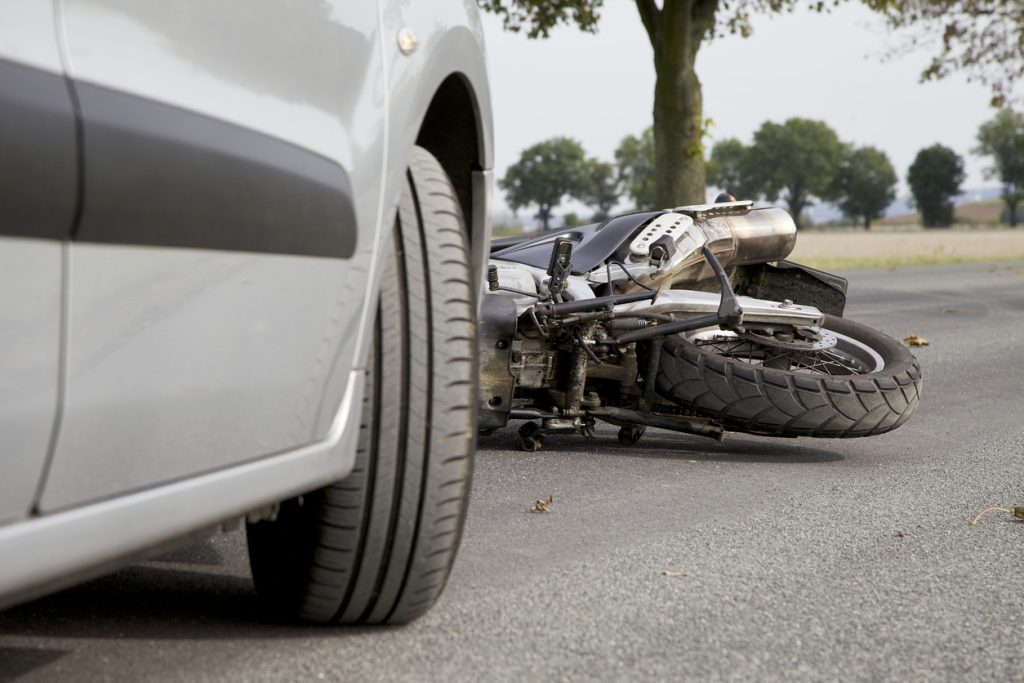
8. What Compensation Can I Seek, and How Much Is My Case Worth?
The recoverable amount depends on responsibility, the injuries, supported losses, coverage, and applicable legal limits. There is no reliable settlement formula based on the motorcycle’s damage, the length of the hospital stay, or a fixed multiple of medical bills.
An evaluation for an injured survivor may address qualifying medical and rehabilitation expenses, income loss, necessary care, legally recoverable excess losses, and noneconomic harm when the governing requirements are met. Relevant noneconomic effects can include pain, disability, scarring, and loss of the ability to participate in important activities. Property damage and policy benefits require separate analysis.
Future losses need a supported foundation. A proposed additional surgery should be linked to medical opinion about whether it is reasonably expected. Ongoing care requires evidence of the need, scope, and duration. A claim that a rider cannot resume a former job may require consideration of restrictions, skills, prior earnings, and realistic alternative work. Vocational, medical, or economic analysis may be useful when those issues are substantial or disputed.
For self-employed riders, business revenue is not automatically the same as personal lost earnings. Preserve tax returns, business records, canceled work, payroll information, and evidence explaining what the rider could no longer do. For daily-life losses, specific examples are more informative than general statements of severe pain: difficulty using stairs, inability to perform a familiar task, or a documented need for assistance.
The strength of the liability evidence affects litigation risk. Clear video can present a different case from conflicting accounts with no independent proof. Available insurance affects the practical recovery, but a policy limit does not establish the value of the injury or guarantee payment of that limit.
Before accepting a settlement, review the proposed net recovery. Attorney fees, case expenses, and valid reimbursement claims can reduce the gross amount. An early estimate may remain provisional while the prognosis or coverage investigation is incomplete. Urgent preservation and filing work can proceed during that period; uncertainty about final value is not a reason to miss a deadline.
9. Can I Recover If I Was Speeding, Partly at Fault, Lane Splitting, or Filtering Through Stopped Traffic?
Possibly, but the conduct and applicable defenses must be analyzed carefully. Ordinary comparative fault can reduce damages. In a motor vehicle noneconomic claim, being more than 50% at fault generally bars that category of recovery. A rider at 50% or less is not barred by that particular cutoff, although other requirements and reductions still apply. Excess economic losses require separate analysis.[^14]
For illustration, suppose $200,000 in otherwise recoverable noneconomic damages is established and the rider bears 20% of the fault. The comparative reduction would leave $160,000 before other applicable deductions. This is an arithmetic example, not a case valuation or a promise that those damages are available.
Michigan prohibits passing between lines of traffic under MCL 257.660(5). Calling the movement lane filtering because vehicles were stopped does not create a general exception. Passing in a lawful unoccupied lane is a different movement. Michigan also recognizes a motorcycle’s full use of a lane and permits specified two-abreast motorcycle operation; those rules do not authorize riding between occupied traffic lanes.[^6]
A violation allegation still requires factual and causal analysis. Was the rider actually between lanes? Did the other vehicle enter the motorcycle’s established lane? What happened before the recording begins? A defendant’s use of the phrase “lane splitting” is not proof of the maneuver.
Speed should similarly be tested against reliable evidence. Damage, sound, or an observer’s brief impression may not establish actual speed or its contribution. A reconstruction should address the available time and distance.
Other defenses can differ from ordinary comparative negligence. Michigan’s intoxication statute can create an absolute defense where the required impairment caused the person to be 50% or more responsible for the event. That rule should not be confused with the more-than-50% noneconomic cutoff.[^22]
Give counsel a candid account, including unfavorable facts. Evaluating a potential defense early allows the case to be assessed realistically and the relevant evidence to be preserved.
10. Can I Bring a Claim If I Was Not Wearing a Helmet?
Lack of a helmet does not, by itself, decide who caused the collision or automatically eliminate every claim. Michigan permits some adults to ride without a helmet, but only when the statutory conditions are satisfied. The age requirement alone is insufficient.[^16]
For an ordinary motorcycle operator, the exemption generally requires age 21 or older, a motorcycle endorsement held for at least two years or completion of the approved motorcycle safety course, and the required motorcycle first-party medical benefits. The operator riding alone must have at least $20,000 of that coverage.
A passenger seeking the exemption must also be at least 21. Where the operator carries a passenger, the statute addresses at least $20,000 per person per occurrence, with a provision allowing the passenger’s own qualifying $20,000 coverage to satisfy the passenger’s portion. The precise coverage should be checked. A health insurance card, liability limit, or assumption about another driver’s PIP is not a substitute for verifying the statutory medical-benefit requirement.[^16]
In the injury case, distinguish the cause of the crash from the cause or extent of a particular injury. A driver’s failure to yield may explain the collision. A defense argument about helmet use may concern whether a head injury was increased. That argument requires an applicable legal basis and evidence; it does not automatically explain a leg fracture or establish a percentage reduction for the entire claim.
Where helmet use was legally required, a violation and its legal effect need review. Where an exemption applied, counsel should still evaluate any injury-causation argument the defense raises. No automatic outcome should be inferred from either circumstance.
If a helmet was worn, preserve it, its labels, strap, detached parts, photographs, and purchase or model information. Explain whether it remained secured or came off. Avoid alteration or disposal before considering inspection. A medical or biomechanical opinion may be appropriate in a contested head-injury case, but the need depends on the issues and available evidence.
11. What If I Had No Motorcycle Insurance, No Endorsement, or an Out-of-State License?
Those facts can affect different parts of a claim in different ways. They should be disclosed promptly, but they do not justify treating every insurance benefit and every lawsuit as one question.
Michigan requires the owner or registrant of a motorcycle to maintain the required liability security. Under MCL 500.3113(b), an owner or registrant of an involved motorcycle lacking the required security can be excluded from PIP. Ownership itself may require investigation when a title, registration, loan, or regular-use arrangement is disputed.[^1][^15]
A pain-and-suffering claim against a negligent automobile driver presents a separate issue. In Brickey v. McCarver, the Michigan Court of Appeals rejected applying the uninsured-motor-vehicle bar in MCL 500.3135(2)(c) to an uninsured motorcycle operator on that basis. The distinction rests on the no-fault act’s exclusion of motorcycles from its motor vehicle definition. An uninsured rider must still prove the other requirements for the claim; the decision does not make riding without required insurance lawful or restore excluded PIP benefits.[^15]
A missing motorcycle endorsement also requires a separate analysis. Michigan generally requires the proper endorsement to operate a motorcycle legally. The licensing issue should be reviewed together with any evidence about the rider’s conduct, the actual cause of the crash, and the terms of optional coverage. Lack of an endorsement should not be treated as automatic proof that the rider caused another driver’s unsafe turn.[^24]
Nonresident status can significantly affect PIP. MCL 500.3113(c) excludes a nonresident unless the statutory Michigan-registered-and-insured motor vehicle condition is satisfied. An out-of-state policy, license, or motorcycle registration should not be assumed to establish Michigan PIP eligibility. Nonresident tort claims also have specific statutory rules.[^15]
Bring every relevant policy, endorsement, registration, ownership document, and license record to counsel. A borrowed-bike passenger, an uninsured owner, and a visiting rider can have materially different coverage questions. Obtain an individualized review rather than accepting a blanket statement that “uninsured means no case” or that being struck by an insured car guarantees benefits.
12. Can a Motorcycle Passenger Bring a Claim, Including Against the Motorcycle Operator?
Yes, a passenger may have claims against people whose negligence caused the injury, including the motorcycle operator where the evidence supports it. The investigation should consider all involved drivers and avoid assuming that responsibility lies entirely with an unrelated motorist.
A passenger’s own observations can be useful. Record what the passenger saw or heard before impact, whether a vehicle turned or entered the lane, and whether the motorcycle braked or changed direction. Distinguish those observations from a reconstruction learned afterward. A passenger may remember a detail the operator could not observe while responding to the danger.
Where a qualifying motor vehicle was involved, the motorcycle PIP priority rules expressly address both operators and passengers. The passenger’s eligibility exclusions and coverage circumstances still need review. The first-party medical coverage on a motorcycle policy is a separate matter, and its insured-person terms should be checked rather than assumed to cover every guest automatically.[^1][^2]
If only the motorcycle was involved, a passenger may have a negligence claim against its operator even though ordinary auto PIP is unavailable. The applicable liability policy, limits, exclusions, and injuries must be evaluated. A relationship with the operator does not eliminate the need to examine the operator’s conduct honestly.
Two people injured in the same crash may have different diagnoses, treatment needs, lost income, and claim values. Preserve separate medical and expense records. Limited insurance may have to address multiple claims, making policy limits and allocation important.
Representation can also require care. An operator and passenger may have conflicting interests if the operator bears potential fault or they compete for limited coverage. Independent legal advice may be necessary. The passenger should understand their own claim, proposed release, possible deductions, and available alternatives before agreeing to a settlement. Another person’s willingness to settle does not establish that the passenger should accept the same outcome.
13. What If the Driver Was Uninsured, Underinsured, or Left the Scene?
Investigate both the responsible parties and any applicable uninsured or underinsured motorist coverage. These are different from PIP. A driver can have no collectible liability coverage while an eligible rider still has a PIP inquiry through the statutory priority system. Conversely, a rider can have a liability claim without qualifying for PIP.
Report a hit-and-run promptly and preserve details you actually observed: vehicle description, partial plate, markings, direction, time, and witnesses. Save the original recording if a rider or vehicle camera was operating. Nearby footage may identify the vehicle or corroborate the movement even if the plate is unreadable.
Uninsured motorist coverage, if purchased and applicable, may respond to a legally responsible uninsured or unidentified driver. Underinsured motorist coverage, if purchased and applicable, may address a responsible driver’s inadequate limits. Michigan policy terms matter, including insured-person definitions, exclusions, notice, suit requirements, offsets, and settlement procedures.
Do not assume a separate automobile policy covers an accident on an owned motorcycle omitted from that policy. An exclusion or other coverage provision may apply. Similarly, purchasing a particular UIM limit does not necessarily mean that amount is added on top of the driver’s liability payment. The actual contract governs the analysis.
A no-contact incident can raise additional proof or physical-contact provisions under contractual coverage. That issue is distinct from whether a motor vehicle was legally involved for PIP. The same event can satisfy one inquiry and present a dispute under another. Counsel should examine both rather than treating “no contact” as an automatic answer to all coverage.
Before releasing the driver or accepting a liability payment, address any consent-to-settle or other requirement that could affect additional coverage. Request written coverage positions and preserve correspondence. An insurer’s initial suggestion that no coverage exists should be compared with the complete policy and facts. Also investigate whether a vehicle owner, employer, or another supported defendant provides a separate recovery route.
14. How Long Do I Have to File a Michigan Motorcycle Accident Claim?
The ordinary negligence lawsuit, PIP claim, government claim, and contractual insurance claim can have different deadlines. Missing one can jeopardize that claim even while another remains available.
An ordinary action for a crash injury generally has a three-year limitations period under MCL 600.5805, ordinarily measured from the injury in an immediately apparent crash case. Special facts, defendants, and causes of action can change the analysis.[^17]
PIP should not be reduced to a statement that every lawsuit is due one year after the accident. MCL 500.3145 establishes an initial one-year rule with exceptions involving timely written notice or an insurer’s prior payment. When an exception applies, subsection (2) addresses suit within one year after the most recent qualifying expense or loss, while the one-year-back rule can separately restrict recovery of older benefits.[^17]
For claims governed by the amended provision, specified timing can be tolled from a specific claim for payment until formal denial, subject to reasonable diligence. The Michigan Supreme Court has explained that the amendment does not apply retroactively to all older claims. The accident, expense, submission, payment, and denial dates therefore matter. Keep copies and proof of delivery.[^17]
Government-road claims can move much faster. A qualifying highway-defect claim generally requires a compliant 120-day notice, subject to statutory exceptions, and generally has a two-year lawsuit period. Other governmental claims follow their own rules. Question 17 addresses why a routine complaint about a pothole is not a substitute for the required legal notice.[^19]
UM/UIM coverage, optional motorcycle benefits, and other insurance can impose contractual requirements. Fatal cases and claims involving minors require their own review. Do not assume that negotiations, a police report, an open claim, or a preservation letter extends the lawsuit period. Obtain a deadline calculation promptly, especially when insurers disagree about who should pay. Evidence may disappear long before even the shortest ordinary suit deadline arrives.
15. What Evidence Helps Prove Fault When the Driver or Insurer Blames the Rider?
A strong investigation combines independent observations, original recordings, physical evidence, and medical documentation. It should explain the developing conflict rather than rely only on the final scene or an assumption about motorcycle behavior.
The police report is an important starting point. It may identify witnesses, diagram the scene, and record statements. It can also contain incomplete information or a disputed description. Whether a citation was issued does not automatically determine civil liability. Preserve the report and supporting records, and identify the evidence needed to test a disputed conclusion.
Original dashcam, helmet-camera, and business recordings may show vehicle position, signaling, a turn, or a lane intrusion. Retain complete files and metadata where available. A short social media clip may omit the seconds that explain why the rider reacted. Camera perspective, frame rate, clock accuracy, and image quality can affect interpretation.
The motorcycle, helmet, clothing, and other vehicle may contain evidence about the contacts and sequence. An impact, slide, and later secondary collision can produce different damage. Preserve components and avoid assuming that a broken part failed before impact rather than because of it.
Available electronic vehicle data can supplement the reconstruction, but capabilities vary. A particular motorcycle may not record useful crash data, and an app’s location trace may lack the precision needed to establish a contested speed. Qualified analysis should explain the source and its limitations.
Medical records, work restrictions, earnings documentation, and testimony about daily function address a different part of the case: what the crash caused. A preexisting condition requires an accurate before-and-after assessment rather than concealment or an assumption that all later symptoms are unrelated.
Prompt preservation matters because recordings can be overwritten, vehicles repaired, and road conditions changed. A request should identify the material and time period. It does not guarantee access or that the evidence exists; an inspection agreement, subpoena, or court process may be necessary. Preserve relevant material in your own possession as carefully as material sought from the other side.
16. Who Pays to Repair My Motorcycle, Replace My Helmet, or Cover a Total Loss?
Motorcycle property damage requires a separate review from bodily injury and PIP. Purchased collision coverage is often the most direct source to examine for crash damage to the bike, subject to its deductible, valuation terms, exclusions, and claim procedures. Comprehensive coverage addresses different covered events and should not be assumed to cover an ordinary collision.
Michigan’s automobile mini-tort provision is not a general motorcycle repair benefit. It concerns damage to a motor vehicle as defined in the no-fault framework, which excludes motorcycles. Michigan appellate decisions have rejected extending that provision to motorcycle damage. A rider should not be told that the other driver’s insurer automatically owes the automobile mini-tort amount for the bike.[^18]
The fact that another driver was negligent also does not guarantee ordinary tort recovery for all bike repairs. The no-fault act’s abolition of certain property-damage liability can protect a properly insured motor vehicle defendant. Claims against an uninsured driver, another motorcyclist, or a party outside that protection can require a different analysis. A properly parked motorcycle may also present a distinct property-protection question. Identify the actual defendant, coverage, and circumstances before assuming which route applies.[^18]
Keep purchase records, maintenance information, accessory receipts, photographs, and estimates. For a customized bike, distinguish the amount spent from the value recognized under the policy. If a total-loss valuation appears too low, review the listed model, mileage, condition, equipment, comparable vehicles, and contractual appraisal provisions where applicable.
Document damaged gear separately, including helmet, jacket, boots, gloves, and attached equipment. Recoverability and valuation depend on the applicable policy or legal claim; replacing everything at full retail should not be assumed. Preserve the items when they may be evidence.
Towing and storage charges need prompt attention. Arrange a plan that protects inspection opportunities while addressing avoidable accumulating charges. Before signing a property release, confirm its scope. A document resolving the motorcycle’s value should not unintentionally release the rider’s bodily injury claim or affect contractual insurance rights.
17. Can I Bring a Claim for a Pothole, Gravel, Construction Hazard, or Dangerous Road Condition?
Possibly, but the responsible party, legal duty, cause, and notice requirements are critical. A fall on a public road does not automatically establish liability against the city or road commission. Governmental immunity and the scope of a statutory exception can limit the claim substantially.
For a claimed highway defect, identify the exact location, nature, and condition. Preserve dated photographs, measurements where safely obtainable, witness information, and evidence connecting the condition to the fall. A photograph taken days later may show a changed surface or repair. A general description such as “a pothole on 28th” can be inadequate for investigation and legal notice.
MCL 691.1404 generally requires a qualifying defect claimant to provide notice within 120 days. It calls for the exact location and nature of the defect, the injury, and known witnesses, with requirements about proper service. Statutory exceptions address certain minors and incapacity circumstances. They should be reviewed individually rather than assumed to excuse delay. The highway-defect lawsuit period is generally two years under MCL 691.1411(2).[^19]
A repair request, online service ticket, phone call, or report to the wrong agency should not be treated as satisfying that notice. The responsible entity may be the state, a county, a municipality, or another party. A Grand Rapids mailing address does not establish road jurisdiction.
The substantive claim may also require proof of the entity’s responsibility for the particular road feature and legally sufficient notice of the defect before the injury. Not every road condition falls within the highway exception. Potholes, loose material, drainage, design, and traffic-control allegations can present different questions.
A private contractor that created a hazard, a truck that shed material, or a business responsible for an obstruction may involve different duties and defenses. Preserve work-zone plans, project information, inspection records, and identifying evidence where available. The absence of another vehicle impact does not decide those claims, although it may affect PIP eligibility. This is a reason for an early, location-specific review.
18. What Can a Family Recover After a Fatal Motorcycle Accident?
A fatal crash can support a wrongful-death action when a legally responsible party caused the death. Michigan’s action is brought by the deceased person’s personal representative under MCL 600.2922, with statutory procedures governing beneficiaries, settlement, and distribution. Family members should obtain advice about the estate and investigation promptly.[^20]
Potential damages include supported medical, hospital, funeral, and burial expenses; conscious pain and suffering between injury and death; and legally recoverable loss of financial support and society and companionship. The evidence and permitted beneficiaries matter. The loss is not valued simply by assigning a standard amount to a life or multiplying salary by remaining working years.
Michigan’s Supreme Court decision in Daher v. Prime Healthcare Services–Garden City distinguishes a stand-alone demand for lost future earning capacity from a permitted claim for a beneficiary’s loss of financial support. A general assertion of everything the person might have earned does not replace evidence supporting the recoverable loss. Financial contributions, dependency, relationships, and other relevant circumstances should be documented.[^20]
The crash investigation may require preservation of the motorcycle, helmet, other vehicles, recordings, and scene evidence. Medical and emergency response records can be important to injury causation and whether conscious suffering occurred before death. The family should preserve information without attempting a technical inspection or altering the equipment.
Counsel should also evaluate any PIP survivor’s benefits, other applicable insurance, and legally enforceable reimbursement claims. These are separate from assuming the wrongful-death settlement pays every outstanding obligation automatically.
Deadlines depend on the underlying claim and applicable estate rules. Do not assume that appointment of a representative starts a new three-year period or that each family member must file a separate lawsuit. A road-defect allegation can still involve early notice requirements. Court approval and distribution procedures may affect a settlement. An attorney can explain those steps while the family focuses on immediate arrangements and the investigation preserves evidence at risk of disappearing.
19. How Long Will the Case Take, Should I Accept an Early Offer, and Will I Have to Go to Court?
The timeline depends on medical recovery, disputed responsibility, available evidence, coverage, and whether litigation is necessary. There is no dependable settlement date that can be promised at the first consultation. A clear-liability case with a stable prognosis differs from one involving a disputed reconstruction or uncertain future surgery.
Early work can proceed while treatment continues: preserving evidence, identifying insurers, submitting appropriate benefit claims, obtaining records, and protecting deadlines. A final settlement decision may require a clearer prognosis. Filing suit can be necessary before treatment concludes.
Before giving the opposing insurer a detailed recorded account, obtain advice about the request. Be accurate and avoid guessing about speed, distance, signals, or medical outcomes. Your own insurer may have separate contractual notice and cooperation requirements; do not ignore them. Counsel can help distinguish those obligations from a voluntary request by another party’s insurer.
Evaluate an early offer against the release, supported losses, available coverage, future needs, and reimbursement issues. A payment for the motorcycle may be different from a final bodily injury settlement. Address any UM/UIM consent requirements before releasing a driver. Preserve relevant social media and other electronic evidence, and avoid public speculation about the collision or prognosis.
A serious Kent County case may proceed in the 17th Circuit Court when jurisdiction and venue are appropriate. Other claims may belong elsewhere. An out-of-state driver or a downtown crash location does not, by itself, determine the court.[^23]
Litigation can involve document exchange, written questions, depositions, examinations where properly required, expert evaluation, motions, and mediation. Many cases resolve by agreement, but a case that remains disputed may proceed to trial. The rider may need to participate in a deposition or other proceedings, and counsel should explain the obligations and preparation.
The client decides whether to settle. A useful recommendation explains the offer, likely deductions, remaining uncertainties, litigation risks, and alternatives in understandable terms. Preparing a case carefully helps the rider assess those choices rather than respond only to financial pressure or an adjuster’s deadline.
20. How Much Does a Motorcycle Accident Lawyer Cost, and What Should I Bring to the Consultation?
Many injury claims use a contingency agreement, where the attorney’s fee depends on a recovery. The actual terms must be explained in writing. Ask how the fee is calculated, which expenses may arise, who advances them, and whether you could owe expenses if the case is unsuccessful.
For covered personal injury, wrongful-death, and no-fault matters, Michigan Court Rule 8.121 generally limits contingent compensation to one-third of the recovery as computed under the rule. That computation addresses the net sum after properly chargeable disbursements. The rule also addresses written agreements and certain fee-award exceptions. Review the agreement with counsel rather than assuming every “one-third” arrangement has identical practical terms.[^21]
Case expenses can include records, filing, service, inspections, depositions, and appropriate expert work. A disputed collision may warrant reconstruction; a lasting disability may warrant medical, vocational, or economic analysis. Not every case needs every expert. The proposed work should relate to an actual issue and its likely benefit to the claim.
Bring whatever you have: the police report or report number, photographs, original recordings, witness information, motorcycle and automobile policies, insurance correspondence, medical documents, work restrictions, bills, and earnings records. Include any settlement offer, release, coverage denial, or notice already submitted. For a borrowed motorcycle, bring ownership and permission information. For a fatal claim, include estate documents already obtained.
You do not need a complete file before seeking help. Missing records can often be identified and requested after the initial review. More urgent issues may include preserving footage, determining the PIP insurer, addressing unpaid benefits, or serving a proper road-defect notice.
Ask who will handle the case, how progress will be communicated, what remains uncertain, and which immediate steps matter most. Neumann Law Group offers an initial consultation without charge. Call (616) 717-5666 or (800) 525-6386, or request a consultation online.

A motorcycle claim should explain both the crash and the rider’s recovery. Our work begins with identifying the important evidence, potential defendants, available benefits, and deadlines. Where appropriate, that includes prompt requests for recordings, preservation of the motorcycle and protective equipment, and examination of the other vehicle’s movement and insurance.
The investigation should account for the local setting. A disputed turn at 28th Street and East Beltline can call for different evidence from a lane intrusion in the US-131 S-curve or an evasive fall near an M-6 ramp. The location helps identify what to investigate; the individual evidence establishes responsibility.
The medical and financial proof should develop alongside the liability evidence. Treatment records, functional limitations, wage information, and a supported prognosis help explain the actual loss. A demand should identify what benefits already address, which excess losses remain, and what other damages the governing law permits.
Neumann Law Group represents injured motorcyclists and families in Grand Rapids and surrounding West Michigan communities. Learn more about our Michigan motorcycle accident practice, motor vehicle accident representation, and attorneys.
If you were injured on 28th Street, US-131, I-96, I-196, M-6, East Beltline, Alpine Avenue, Plainfield Avenue, or another Grand Rapids area road, an early review can clarify available benefits and preserve evidence while you focus on recovery.
Neumann Law Group — Grand Rapids
250 Monroe Avenue NW, Suite 400
Grand Rapids, MI 49503
Local: (616) 717-5666
Toll-free: (800) 525-6386
Call or contact our office to request an initial consultation. The firm offers 24/7 contact availability and can travel to clients whose injuries limit their mobility.
Research reviewed November 3, 2026. The location sections analyze motorcycle conflict scenarios and evidence needs; they do not claim a motorcycle-only statistical ranking. Annual benefit amounts are identified by accident-date period.
[^1]: Michigan Insurance Code, MCL 500.3101 and 500.3103, addressing the no-fault motor vehicle definition and motorcycle security. See MCL 500.3103, published statutory text. Motorcycle first-party medical benefits are distinct from ordinary auto PIP.
[^2]: MCL 500.3114, Michigan Legislature, particularly subsections (5)–(7); Michigan Department of Insurance and Financial Services, Auto Insurance Reform FAQ, including the motorcycle questions discussing priority and PIP selections.
[^3]: Michigan Department of State, May 1, 2026 motorcycle safety awareness announcement. The cited busy-street observation is statewide, not a Grand Rapids intersection statistic.
[^4]: Grand Valley Metro Council, Driving Safety: Motorcycles; Michigan Department of State, Motorcyclists Are Hard to See.
[^5]: Grand Valley Metro Council, Safety and Security Planning and Vision Zero 2050 Regional Safety Action Plan.
[^6]: MCL 257.660(2), (3), and (5), addressing motorcycle lane use and passing between traffic lines. See the published statutory text and Michigan State Police, Traffic Laws FAQs.
[^7]: Michigan Department of Transportation, US-131 Grand Rapids Planning and Environmental Linkages study and study FAQs.
[^8]: Detroit Medical Center v. Progressive Michigan Insurance Co., 302 Mich App 392 (2013), Michigan Appeals Reports official bound volume, discussing the causal involvement required in a motorcycle accident without vehicle contact. The analysis requires more than a motor vehicle’s incidental presence.
[^9]: Michigan Courts, Traffic Benchbook: Failing to Report an Accident, discussing MCL 257.622.
[^10]: MCL 500.3107, published statutory text, addressing qualifying medical expenses, work loss, and replacement services; applicable medical coverage and care restrictions require separate review.
[^11]: Michigan Department of Insurance and Financial Services, Bulletin 2026-20-INS, setting the $7,455 maximum per 30-day period for the specified October 2026–September 2027 accident-date period.
[^12]: MCL 257.401, Michigan’s vehicle owner’s-liability statute; employer, contractor, product, and other theories require their own elements and applicable defenses. See also Brickey v. McCarver, Michigan Court of Appeals, describing the owner-liability allegations in a motorcycle injury action.
[^13]: MCL 500.3135, published statutory text, including the injury threshold, excess economic-loss provisions, and nonresident rules; McCormick v. Carrier, 487 Mich 180 (2010).
[^14]: MCL 500.3135(2)(b) and MCL 600.2959; Michigan Courts, Model Civil Jury Instructions, Chapters 35 and 36, including notes addressing comparative fault and excess economic loss.
[^15]: MCL 500.3113, Michigan Legislature, addressing PIP eligibility exclusions; Brickey v. McCarver, 323 Mich App 639 (2018), distinguishing an uninsured motorcycle operator’s tort claim from the uninsured-motor-vehicle bar.
[^16]: MCL 257.658, published statutory text; Michigan State Police, Traffic Safety FAQs. The statutory coverage requirements should be reviewed for both operator and passenger.
[^17]: MCL 600.5805 and MCL 500.3145, published statutory texts; Michigan Supreme Court, Spine Specialists of Michigan PC v. MemberSelect Insurance Company, April 1, 2025, discussing the amended one-year-back tolling provision and nonretroactivity.
[^18]: Nerat v. Swacker, 150 Mich App 61 (1986); Braden v. Spencer, 100 Mich App 523 (1980); MCL 500.3101, 500.3121, 500.3123, and 500.3135. See also the Michigan Court of Appeals’ discussion of motorcycle property damage in Richard v. Frankenmuth Mutual Insurance Co., November 21, 2017, unpublished. Current statutory dollar amounts differ from the older decisions; the motorcycle-definition distinction remains the relevant point.
[^19]: MCL 691.1402–691.1404 and MCL 691.1411. See MCL 691.1404, published statutory text and Hightower v. Department of Transportation, Michigan Court of Appeals, April 16, 2020, addressing highway-defect notice and the incapacity exception.
[^20]: MCL 600.2922; Michigan Courts, Civil Proceedings Benchbook: Wrongful Death Act; Daher v. Prime Healthcare Services–Garden City, LLC, 515 Mich 254 (2024).
[^21]: Michigan Courts, Court Rules Chapter 8, Rule 8.121, governing contingent fees in covered injury, wrongful-death, and no-fault matters.
[^22]: MCL 600.2955a, Michigan Legislature, Revised Judicature Act Chapter 29, addressing impairment-related defenses and the statutory causation threshold.
[^23]: Kent County, 17th Circuit Court overview. The individual claims, parties, and venue rules determine the appropriate court.
[^24]: Michigan State Police, Motorcycle Endorsement and Safety FAQs; MCL 257.312a.