
COMMITTED TO JUSTICE
in Detroit and Beyond



A car accident in New York is not just a frightening moment on the road. It can become the start of a complicated medical, insurance, and legal process that most people are not prepared for. One crash can lead to emergency treatment, vehicle damage, missed work, chronic pain, medical bills, no-fault forms, insurance calls, rental car problems, and questions about who is responsible.
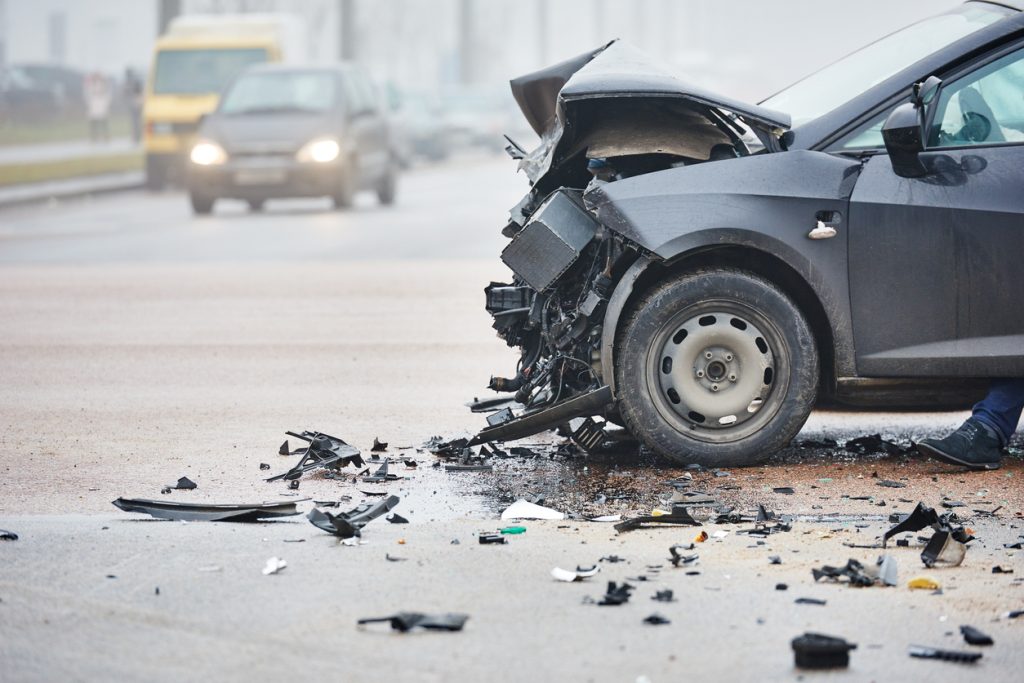
New York car accident law is different from many states because New York is a no-fault state for many motor vehicle injury claims. That means your own no-fault insurance, also called personal injury protection or PIP, may pay certain medical bills, lost earnings, and other basic economic losses regardless of who caused the crash. But that does not mean fault is irrelevant. Fault still matters for property damage, serious injury claims, pain and suffering, excess economic losses, uninsured or underinsured motorist issues, and lawsuits against negligent drivers.
If you were hurt in a crash in New York, you may be entitled to no-fault benefits first. You may also have the right to bring a claim against the at-fault driver if your injuries meet New York’s serious injury threshold or if your economic losses exceed the basic no-fault limits. Depending on the facts, compensation may include medical expenses, future medical care, lost wages, reduced earning ability, pain and suffering, emotional distress, physical impairment, disfigurement, property damage, and other losses.
Insurance companies do not simply pay full value because you were injured. They investigate, delay, dispute, minimize, request recorded statements, challenge medical treatment, question whether your injuries are serious, and often try to shift blame.
A New York car accident lawyer can help protect your rights, file no-fault paperwork, gather evidence, deal with insurance companies, calculate the full value of your claim, and file a lawsuit if the insurer refuses to offer fair compensation.
New York is a no-fault state for many injury claims. After a crash, injured drivers, passengers, and pedestrians often begin by filing a no-fault claim for medical bills, lost earnings, and certain other basic economic losses.
Fault still matters. New York no-fault coverage does not eliminate the importance of proving who caused the crash. Fault matters for vehicle damage, pain and suffering claims, excess economic losses, serious injury lawsuits, and claims involving uninsured or underinsured drivers.
No-fault benefits are time-sensitive. Written no-fault notice generally must be filed within 30 calendar days after the accident unless there is a valid reason for late filing.
New York serious injury threshold. To recover non-economic damages such as pain and suffering in many car accident cases, the injured person generally must prove a legally serious injury.
Basic economic loss. New York no-fault benefits generally cover up to $50,000 per person for basic economic loss, including medical expenses, a portion of lost earnings, and certain necessary expenses.
Motor vehicle accident lawsuits. New York generally gives injured people three years to file a personal injury lawsuit, but shorter deadlines may apply in special cases.
Government claims are different. If a city, county, state agency, public authority, police vehicle, sanitation truck, school vehicle, public bus, defective roadway, or other government-related party is involved, a notice of claim may be required within 90 days.
Crash reports may be required. In New York, a driver generally must file an MV-104 crash report with the DMV within 10 days if anyone is injured or killed, if damage to one person’s property exceeds $1,000, or if an e-bike or e-scooter is involved and someone is injured or killed.
Comparative fault applies. New York uses comparative fault rules. If you are partly responsible, your recovery may be reduced by your percentage of fault. In certain motor vehicle injury cases, current New York law may bar recovery if the claimant’s fault is greater than the fault of the party or parties being sued.
Early evidence is critical. Photos, police reports, medical records, witness statements, dashcam footage, traffic camera footage, vehicle damage, no-fault records, insurance documents, and phone data can make or break a claim.
New York car accident claims often have two tracks.
The first track is the no-fault claim. This is usually filed with the appropriate no-fault insurer. In many cases, that is the insurer for the vehicle you occupied at the time of the crash. If you were a pedestrian, it may be the insurer for the vehicle that struck you. If there is no available insurance, the Motor Vehicle Accident Indemnification Corporation, often called MVAIC, may need to be considered.
The second track is the fault-based claim. This is a claim against the driver or party responsible for the crash. A fault-based claim may seek property damage, excess economic damages, and, when the legal threshold is met, pain and suffering and other non-economic damages.
To prove a negligence claim against another driver, you generally need to show:
The other driver owed a duty to use reasonable care.
The other driver breached that duty.
The breach caused the crash.
The crash caused your injuries.
You suffered damages.
A New York car accident case may involve more than one negligent party. One driver may have been speeding. Another may have changed lanes unsafely. A rideshare driver may have stopped suddenly in traffic. A truck company may have failed to maintain its vehicle. A construction contractor may have created an unsafe road condition. A municipality may have failed to fix a dangerous traffic signal or roadway defect.
That is why serious cases require more than a quick insurance claim. They require a complete investigation.
New York has some of the busiest, most complex roads in the country. A crash in Manhattan is different from a crash on the Long Island Expressway. A Bronx intersection collision is different from a winter pileup near Buffalo. A pedestrian crash in Brooklyn is different from a highway crash on I-87, I-90, I-95, or the Thruway.
New York crashes may involve:
Heavy traffic
Dense intersections
Pedestrians
Bicyclists
E-bikes
Electric scooters
Delivery vehicles
Rideshare drivers
Taxi and livery vehicles
Commercial trucks
Buses
MTA vehicles
School buses
Sanitation vehicles
Police vehicles
Construction zones
Double-parked vehicles
Winter weather
Poor lighting
Potholes
Defective traffic signals
Poorly marked lanes
Aggressive driving
Distracted driving
New York City, Long Island, Westchester, Albany, Buffalo, Rochester, Syracuse, Yonkers, Queens, Brooklyn, the Bronx, Manhattan, Staten Island, Nassau County, Suffolk County, and Upstate New York all create different accident patterns.
I-95
I-87
I-90
I-278
I-495, the Long Island Expressway
FDR Drive
West Side Highway
Major Deegan Expressway
Cross Bronx Expressway
Bruckner Expressway
Belt Parkway
Grand Central Parkway
Van Wyck Expressway
Hutchinson River Parkway
Bronx River Parkway
Saw Mill River Parkway
Sprain Brook Parkway
Taconic State Parkway
Northern State Parkway
Southern State Parkway
Meadowbrook State Parkway
Wantagh State Parkway
Sunrise Highway
Route 17
Route 9
Route 9A
Queens Boulevard
Atlantic Avenue
Flatbush Avenue
Broadway
Canal Street
Houston Street
Fordham Road
Jerome Avenue
Hylan Boulevard
New York crashes often involve evidence that disappears quickly, including surveillance video, dashcam footage, vehicle data, traffic camera footage, delivery app records, rideshare app records, GPS data, and witness information.
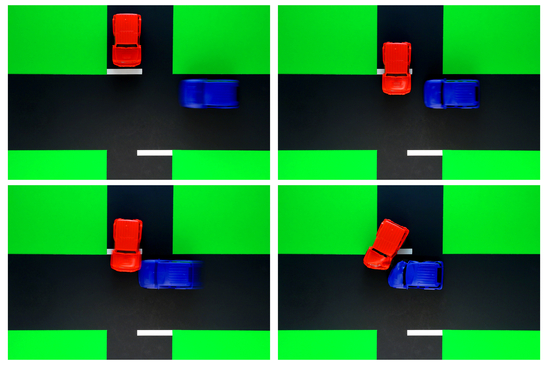
The steps you take after a crash can protect your health and your legal claim.
1. Call 911 if anyone is hurt or if the crash is serious
If anyone is injured, if traffic is blocked, if a driver appears impaired, if there is major vehicle damage, if a pedestrian or cyclist was hit, or if fault is disputed, call 911. A police report can become important evidence in your claim.
The report may document:
Names of drivers
Insurance information
Witnesses
Location of the crash
Weather conditions
Statements made at the scene
Citations issued
Preliminary observations
Vehicle positions
Visible injuries
Tow information
Even if the police report is not the final word on fault, it is often one of the first documents insurance companies review.
2. Get medical care right away
Do not assume you are fine because you can walk or because pain seems manageable. Adrenaline can hide injuries. Some conditions become worse over hours or days.
Common delayed injuries include:
Concussions
Whiplash
Soft tissue injuries
Herniated discs
Back injuries
Neck injuries
Shoulder injuries
Knee injuries
Internal injuries
Nerve damage
Psychological trauma
Prompt medical care does two things. First, it protects your health. Second, it creates a medical record connecting your injuries to the crash. Insurance companies often use delays in treatment to argue that the accident did not cause your injuries or that your injuries are not serious.
3. File no-fault paperwork on time
New York no-fault claims are deadline-sensitive. Written notice of claim generally must be submitted within 30 calendar days after the accident unless there is a clear and reasonable justification for late filing.
This is one of the most important early steps after a New York car accident. Missing the no-fault deadline can create serious problems with medical bills, lost wage reimbursement, and benefit claims.
4. File the MV-104 crash report if required
New York requires drivers to file an MV-104 report with the DMV in certain crashes, including accidents involving injury, death, property damage over $1,000 to one person’s property, or certain e-bike or e-scooter injury crashes.
This is separate from a police report. Many drivers mistakenly believe that if the police came to the scene, they do not need to file anything else. That can be a costly mistake.
5. Photograph and video everything
If you can do so safely, document:
Vehicle positions
Damage to all vehicles
License plates
Driver’s license and insurance cards
Roadway conditions
Skid marks
Debris
Traffic lights and signs
Lane markings
Construction zones
Weather conditions
Snow or ice
Visible injuries
Airbag deployment
Damaged personal property
Nearby businesses that may have cameras
Photos taken immediately after a crash can preserve evidence that may disappear quickly.
6. Get witness information
Witnesses can be critical, especially if the other driver later changes the story. Get names, phone numbers, emails, and a short description of what each witness saw.
7. Do not admit fault
Be polite, but do not apologize, guess, or make statements like “I didn’t see you,” “I’m sorry,” or “I may have been going too fast.” Insurance companies can use these statements against you.
8. Notify your insurance company
Most policies require prompt notice of an accident. You should report the crash, but you do not need to give a detailed recorded statement before speaking with an attorney, especially if you were injured or fault is disputed.
9. Do not give a recorded statement to the other driver’s insurer without legal advice
The other driver’s insurance company is not on your side. Adjusters may ask questions designed to minimize your injuries, lock you into incomplete facts, or shift blame onto you.
10. Keep every document
Save:
Medical records
Medical bills
No-fault forms
Discharge papers
Prescriptions
Physical therapy notes
Imaging reports
Repair estimates
Tow bills
Rental car bills
Insurance letters
Emails
Text messages
Pay stubs
Missed work records
Photos and videos
11. Avoid social media posts
Do not post about the crash, your injuries, your vehicle, your recovery, your activities, or the insurance claim. Insurers may monitor public posts and take them out of context.
12. Contact a New York car accident lawyer early
Attorneys can preserve evidence, identify insurance coverage, protect deadlines, communicate with adjusters, handle no-fault issues, and help prevent mistakes that damage the claim.
New York car accident attorneys handle many types of crashes. Each type requires a different investigation strategy.
Rear-End Accidents
Rear-end crashes are common in New York traffic, especially on the Long Island Expressway, FDR Drive, Cross Bronx Expressway, Belt Parkway, BQE, Southern State Parkway, Northern State Parkway, and congested city streets.
Common causes include:
Following too closely
Speeding
Sudden traffic slowdowns
Weather conditions
Poor braking distance
Rideshare stops
Taxi stops
Delivery vehicle stops
Double parking
Construction congestion
Rear-end crashes in New York can cause whiplash, herniated discs, concussions, shoulder injuries, back pain, chronic neck problems, and aggravation of prior injuries.
Intersection Accidents
Intersection crashes often involve red-light violations, failure to yield, left-turn collisions, distracted driving, speeding, blocked sightlines, or confusion over traffic signals.
Important evidence may include:
Traffic camera footage
Witness statements
Signal timing records
Vehicle damage patterns
Police diagrams
Dashcam footage
Skid marks
Event data recorder information
Business surveillance video
Intersection crashes are especially common in New York City, where pedestrians, cyclists, buses, trucks, taxis, delivery drivers, and private vehicles all share limited space.
T-Bone Accidents
Side-impact crashes can cause severe injuries because the side of a vehicle offers less protection than the front or rear. These crashes often occur when a driver runs a red light, fails to yield, or turns across traffic.
Common injuries include:
Rib fractures
Pelvic fractures
Head injuries
Shoulder injuries
Internal injuries
Hip injuries
Spinal injuries
Facial injuries
Head-On Collisions
Head-on crashes are among the most dangerous types of car accidents. They may happen because of wrong-way driving, impaired driving, distracted driving, unsafe passing, fatigue, or loss of control in snow, ice, or rain.
These cases often involve catastrophic injuries or wrongful death.
Multi-Vehicle Crashes
Chain-reaction crashes are common on highways and congested roads. These cases can be complicated because multiple drivers may blame each other.
A lawyer may need to determine:
Who caused the first impact
Whether drivers were following too closely
Whether speed contributed
Whether weather was a factor
Whether a commercial vehicle was involved
Whether all insurance policies have been identified
Whether crash reconstruction is needed
Whether a road condition contributed
Hit-and-Run Accidents
A hit-and-run crash creates immediate practical and legal problems. If the at-fault driver is not found, the injured person may need to rely on no-fault benefits, uninsured motorist coverage, or MVAIC depending on the facts.
After a hit-and-run, you should:
Call police immediately
Look for cameras nearby
Get witness information
Photograph vehicle damage
Notify your insurer
Seek medical care
Ask nearby businesses to preserve video
Speak with a lawyer quickly
Drunk Driving Accidents
Drunk driving crashes can support strong liability claims. Evidence may include:
Police reports
DWI arrest records
Blood alcohol results
Field sobriety tests
Bodycam footage
Witness statements
Bar or restaurant evidence
Prior DWI history
Criminal case records
In some cases, drunk driving may also support punitive damages, depending on the facts.
Distracted Driving Accidents
Distracted driving can involve texting, phone calls, GPS use, rideshare apps, food, passengers, music, or in-vehicle screens.
Evidence may include:
Cell phone records
Text logs
App data
Witness testimony
Dashcam video
Vehicle data
Driver admissions
Police observations
Rideshare Accidents
Uber and Lyft crashes can involve complicated insurance coverage. Coverage may depend on whether the driver was offline, waiting for a ride request, on the way to pick up a passenger, or transporting a passenger.
A New York rideshare accident may involve:
The rideshare driver
Another negligent driver
Uber or Lyft insurance coverage
The driver’s personal policy
No-fault benefits
Uninsured motorist coverage
App status records
Trip data
GPS data
Taxi and Livery Accidents
New York taxi, black car, limousine, and livery crashes can involve special insurance and regulatory issues. These cases may include yellow cabs, green cabs, for-hire vehicles, airport transportation, executive car services, and TLC-licensed vehicles.
Important evidence may include:
Trip records
TLC records
Driver history
Vehicle inspection records
Dashcam footage
GPS data
Dispatch records
Commercial insurance policies
Delivery Driver Accidents
Delivery driver crashes may involve Amazon, UPS, FedEx, DoorDash, Uber Eats, Instacart, restaurants, grocery delivery, pharmacies, or local courier services. If the driver was working at the time of the crash, the employer or delivery company may be involved depending on the relationship and facts.
Pedestrian Accidents
New York pedestrian accidents can happen in crosswalks, parking lots, school zones, transit areas, entertainment districts, residential neighborhoods, and crowded city intersections.
Common causes include:
Failure to yield
Distracted driving
Speeding
Left-turn crashes
Right-turn crashes
Poor visibility
Impaired driving
Unsafe parking lot driving
Ignoring crosswalks
Rideshare pickup and drop-off confusion
Delivery driver negligence
Pedestrian injuries are often severe because the person has no protection from impact.
Bicycle and E-Bike Accidents
New York has many cyclists, commuters, delivery riders, and e-bike users. Bicycle and e-bike crashes may involve:
Dooring
Unsafe passing
Failure to yield
Bike lane violations
Right-hook turns
Distracted driving
Road defects
Poorly marked construction zones
Rideshare stops
Delivery driver negligence
Unsafe curbside activity
Scooter Accidents
Electric scooters are common in parts of New York. Scooter cases may involve vehicle collisions, unsafe road conditions, defective scooters, poor maintenance, or pedestrian conflicts.
Bus Accidents
Bus crashes may involve MTA buses, school buses, charter buses, shuttle buses, casino buses, airport buses, or private transportation companies. These cases may involve government notice rules, commercial insurance, driver training, maintenance records, surveillance footage, and route data.
Truck Accidents
Truck crashes often involve severe injuries because of vehicle size and weight. New York semi-truck accident cases may involve:
Tractor-trailers
Box trucks
Dump trucks
Garbage trucks
Construction vehicles
Delivery trucks
Moving vans
Utility trucks
Commercial vans
Important evidence may include driver logs, black box data, maintenance records, inspection records, cargo records, dispatch instructions, employer policies, and federal trucking regulations.
Weather-Related Accidents
Snow, ice, slush, rain, fog, and low visibility are common driving hazards in New York. Bad weather does not automatically excuse a crash. Drivers must adjust speed and following distance for conditions.
A driver may still be negligent for:
Driving too fast for conditions
Following too closely
Failing to clear snow from windows
Using worn tires
Braking too late
Losing control
Making unsafe lane changes
Ignoring road conditions
A New York car accident claim may include several categories of damages. The available damages depend on whether the claim is limited to no-fault benefits, whether the serious injury threshold is met, whether economic losses exceed basic economic loss, and whether another party can be proven negligent.
No-Fault Benefits
No-fault benefits may cover certain basic economic losses regardless of who caused the crash. These benefits can include reasonable and necessary medical expenses, a portion of lost earnings, and certain necessary expenses related to the injury.
No-fault benefits do not compensate for pain and suffering. They also do not automatically cover all future losses or all income losses.
Medical Expenses
Medical expenses may include:
Ambulance bills
Emergency room treatment
Hospital care
Surgery
Doctor visits
Specialist visits
Imaging scans
Medication
Physical therapy
Chiropractic care
Pain management
Injections
Rehabilitation
Medical equipment
Future medical care
Mental health treatment
Home health care
Future Medical Care
Serious injuries often require future treatment. A settlement should account for future needs, not just past bills.
Future care may include:
Additional surgery
Long-term therapy
Pain management
Follow-up imaging
Medication
Mobility devices
In-home care
Rehabilitation
Specialist monitoring
Psychological counseling
Lost Wages
If your injuries kept you from working, you may claim lost income. No-fault may cover part of your lost earnings, but serious cases may involve wage losses beyond no-fault limits.
Lost wage claims may include:
Missed paychecks
Overtime
Bonuses
Commissions
Sick time
Vacation time
Lost business income
Reduced hours
Lost promotion opportunities
Lost Earning Capacity
If you cannot return to the same work, cannot work the same hours, or cannot earn the same income, you may have a claim for reduced earning capacity.
This is especially important for:
Construction workers
Nurses
Truck drivers
Mechanics
Electricians
Plumbers
Restaurant workers
Delivery workers
Sales professionals
Business owners
Healthcare workers
Athletes
Musicians
Manual laborers
Professionals with physically demanding duties
Pain and Suffering
Pain and suffering damages compensate for physical pain caused by the crash. In New York motor vehicle cases, recovering pain and suffering usually requires proof that the injury meets the serious injury threshold.
Pain and suffering may include:
Chronic pain
Headaches
Back pain
Neck pain
Nerve pain
Joint pain
Post-surgical pain
Mobility problems
Loss of sleep
Physical limitations
Emotional Distress
Car accidents can cause psychological injuries, including:
Anxiety
Depression
Sleep problems
Nightmares
Driving fear
Panic attacks
Post-traumatic stress symptoms
Irritability
Loss of confidence
Emotional exhaustion
Loss of Enjoyment of Life
You may be compensated when injuries prevent you from enjoying normal activities, such as walking, exercising, traveling, playing with children, caring for family, commuting, working, or participating in hobbies.
Physical Impairment
Physical impairment damages may involve permanent limitations, reduced mobility, weakness, loss of range of motion, difficulty walking, nerve damage, or inability to use a body part normally.
Disfigurement
Disfigurement may include scarring, burns, facial injuries, surgical scars, amputations, or other visible physical changes.
Property Damage
Property damage may include:
Vehicle repair
Vehicle replacement
Rental car costs
Towing
Storage fees
Diminished value
Damaged car seats
Damaged electronics
Damaged clothing
Other personal property losses

Wrongful Death Damages
If a New York car accident causes death, the personal representative of the deceased person’s estate may be able to bring a wrongful death claim. Wrongful death damages may include funeral expenses, medical expenses related to the fatal injury, financial support the deceased would have provided, and other losses allowed under New York law.
Wrongful death deadlines are different from ordinary injury deadlines, so families should speak with a lawyer immediately.
New York’s no-fault system limits when an injured person can sue for non-economic damages such as pain and suffering. In many motor vehicle injury cases, the injured person must prove a legally serious injury.
Current New York law defines serious injury to include injuries resulting in:
Death
Dismemberment
Significant disfigurement
A fracture
Loss of a fetus
Permanent loss of use of a body organ, member, function, or system
Permanent consequential limitation of use of a body organ or member
Significant limitation of use of a body function or system
This threshold is one of the most important issues in New York car accident litigation. Insurance companies often argue that soft tissue injuries, disc injuries, strains, sprains, pain complaints, or temporary limitations do not meet the legal standard. A New York personal injury lawyer can fight those arguments with medical records, imaging, doctor opinions, impairment evaluations, treatment history, and evidence showing how the injury changed the person’s life.
New York car accident cases are not controlled by the same kind of non-economic damages cap that applies in some other states. The bigger issue in many New York motor vehicle cases is not a general pain and suffering cap. The bigger issue is whether the injured person can get outside the no-fault system by proving a serious injury or excess economic loss.
That means the value of a New York car accident case depends heavily on:
The severity of the injury
Whether the serious injury threshold is met
Medical proof
Future treatment needs
Permanent limitations
Fault evidence
Comparative fault
Insurance coverage
Witness credibility
Venue
Trial risk
The strength of documentation
New York applies comparative fault rules. If you share responsibility for the crash, your damages may be reduced by your percentage of fault.
Examples:
If your damages are $100,000 and you are 10% at fault, your recovery may be reduced to $90,000.
If your damages are $500,000 and you are 25% at fault, your recovery may be reduced to $375,000.
Insurance companies use comparative fault aggressively. They may claim you were speeding, distracted, following too closely, failed to brake, failed to yield, failed to use a seatbelt, or could have avoided the crash.
A lawyer can fight exaggerated fault allegations with:
Crash scene evidence
Vehicle damage analysis
Witness statements
Police reports
Traffic camera footage
Dashcam video
Expert reconstruction
Cell phone evidence
Roadway evidence
Medical records
New York generally gives injured people three years to file a personal injury lawsuit. That deadline is important, but you should not wait anywhere close to three years. Evidence can disappear quickly.
Examples:
Traffic camera footage may be overwritten.
Dashcam footage may be deleted.
Witnesses may move or forget details.
Vehicles may be repaired or destroyed.
Skid marks disappear.
Road construction conditions change.
Insurance companies become harder to deal with over time.
Medical records become more complicated.
Some cases have shorter deadlines. Wrongful death claims generally have a two-year deadline. Claims involving municipalities, public authorities, government vehicles, public hospitals, defective roads, or public employees may require a notice of claim within 90 days.
If your crash involved a New York City vehicle, police vehicle, fire truck, ambulance, sanitation truck, school bus, MTA bus, public works vehicle, snowplow, or another government-related vehicle, special rules may apply.
Government claims can involve:
Short notice deadlines
Government immunity issues
Special filing rules
Public entity investigation procedures
Vehicle maintenance records
Driver employment records
Route data
Camera footage
Dispatch records
You should speak with a lawyer immediately if any government vehicle, public employee, public road defect, or public transportation vehicle may have contributed to the crash.
After a New York car accident, several types of insurance may be relevant.
No-Fault Insurance
No-fault insurance is usually the first source of benefits for medical bills, lost earnings, and certain necessary expenses after an injury crash. These benefits are generally available regardless of who caused the accident, but the paperwork and deadlines must be handled correctly.
The At-Fault Driver’s Liability Insurance
If your injuries meet the legal threshold or your losses exceed no-fault limits, the at-fault driver’s liability insurance may become a source of recovery.
Your Own Uninsured or Underinsured Motorist Coverage
Uninsured motorist coverage may apply if the at-fault driver has no insurance or if the crash involved a hit-and-run driver. Underinsured motorist coverage may apply if the at-fault driver has insurance, but not enough to cover your losses.
Health Insurance
Health insurance may pay accident-related medical bills if no-fault is denied, exhausted, or unavailable, but it may later seek reimbursement from a settlement through subrogation or a lien.
Umbrella Insurance
If the at-fault driver has an umbrella policy, additional coverage may be available.
Employer or Commercial Coverage
If the at-fault driver was working, driving a company vehicle, making deliveries, transporting passengers, or operating a commercial vehicle, employer or commercial insurance may apply.
What If the Other Driver Has No Insurance?
If the other driver has no insurance, your own uninsured motorist coverage may be important. If there is no available insurance, MVAIC may need to be considered depending on the facts.
Possible sources of recovery may include:
No-fault benefits
Uninsured motorist coverage
Household auto policies
Employer policies
Rideshare coverage
Commercial vehicle coverage
Claims against another negligent party
MVAIC
Health insurance for medical bills
Personal assets of the at-fault driver
What If the Other Driver Does Not Have Enough Insurance?
If the at-fault driver has insurance but not enough to cover your losses, underinsured motorist coverage may apply. This is common in serious injury cases because minimum insurance limits may be far below the value of the claim.
For example, a crash involving surgery, hospitalization, permanent impairment, or lost earning capacity can easily exceed a low-limit policy.
Insurance companies use predictable tactics.
They may argue:
You did not file no-fault paperwork on time.
You were partly at fault.
Your injuries do not meet the serious injury threshold.
Your injuries were pre-existing.
Your treatment was excessive.
You waited too long to get treatment.
You are exaggerating pain.
The crash was too minor to cause injury.
Your medical bills are too high.
You should have recovered sooner.
You failed to follow medical advice.
Your lost wage claim is unsupported.
You do not need future care.
You are claiming unrelated conditions.
They may also push quick settlements before the full injury picture is known.
You should be very careful. You may be required to cooperate with your own insurer under your policy, but you should not give a detailed recorded statement without understanding your rights. You generally should not give a recorded statement to the other driver’s insurance company before speaking with a lawyer.
Adjusters may ask questions such as:
“How fast were you going?”
“When did you first see the other car?”
“Could you have stopped sooner?”
“Were you looking at your phone?”
“Did you have any prior pain?”
“Are you feeling better now?”
“Did you miss any work?”
These questions may seem harmless, but incomplete or imprecise answers can be used against you.
A pre-existing condition does not automatically defeat your claim. If the crash aggravated, worsened, or accelerated a prior condition, you may still recover damages.
Common pre-existing issues include:
Back pain
Neck pain
Arthritis
Degenerative disc disease
Prior concussions
Shoulder injuries
Knee injuries
Hip problems
Migraines
Anxiety
Prior fractures
The key question is whether the crash made the condition worse or caused new symptoms. Medical records, doctor opinions, imaging, and symptom history are important.
Insurance companies may try to argue that failure to wear a seatbelt contributed to your injuries. Whether that argument matters depends on the facts, the injuries, and the medical evidence.
For example, a seatbelt issue may be more relevant to some head, chest, or ejection-related injuries than to other types of harm. A lawyer can evaluate whether the insurer’s argument is legally and medically supported.
Rideshare crashes in New York involving Uber or Lyft can be complicated because insurance coverage depends on the driver’s app status.
Important questions include:
Was the driver logged into the app?
Was the driver waiting for a ride request?
Had the driver accepted a ride?
Was the passenger already in the vehicle?
Was another driver responsible?
Was the rideshare driver using a personal vehicle?
Was the rideshare company’s policy triggered?
Evidence may include app data, trip records, GPS information, driver communications, screenshots, insurance policies, and passenger records.
If the at-fault driver was working at the time of the crash, the employer may be responsible. This can apply to:
Delivery drivers
Commercial drivers
Company vehicles
Contractors
Sales representatives
Utility workers
Service vehicles
Rideshare drivers
Food delivery drivers
Truck drivers
Government employees
Employer liability can matter because commercial policies often provide more coverage than personal auto policies.

There is no honest formula that applies to every case. Case value depends on many factors.
Important factors include:
How the crash happened
Who was at fault
Whether fault is disputed
Whether the serious injury threshold is met
The severity of injuries
Whether surgery was required
Whether injuries are permanent
Medical bills
Future treatment needs
Lost wages
Lost earning capacity
Pain levels
Impact on daily life
Emotional trauma
Scarring or disfigurement
Physical impairment
Insurance policy limits
Quality of evidence
Witness credibility
Medical documentation
Comparative fault
Venue and trial risk
A minor crash with short-term soreness is worth much less than a crash involving spinal surgery, traumatic brain injury, permanent impairment, or inability to return to work.
The timeline depends on the injury and the dispute.
A simple property damage claim may resolve quickly. A no-fault claim may begin soon after the crash if paperwork is filed correctly. A moderate injury claim may take months after medical treatment stabilizes. A serious injury case may take a year or more. A lawsuit involving disputed fault, serious injury threshold arguments, expert witnesses, or major damages may take several years.
Factors that affect timing include:
Length of medical treatment
Whether maximum medical improvement has been reached
Disputes over fault
Disputes over medical causation
Serious injury threshold disputes
Insurance policy limits
Number of parties
Need for experts
Court schedule
Mediation timing
Whether trial is necessary
It is usually risky to settle too early. Once you sign a release, you generally cannot reopen the claim if your injuries worsen.
A lawyer can help by:
Investigating the crash
Obtaining police reports
Filing no-fault forms
Helping with MV-104 reporting issues
Finding witnesses
Preserving video evidence
Reviewing traffic camera evidence
Obtaining medical records
Dealing with insurance adjusters
Calculating damages
Identifying all insurance coverage
Handling UM/UIM claims
Working with doctors
Hiring accident reconstruction experts
Documenting lost wages
Evaluating future medical needs
Negotiating settlement
Filing a lawsuit if needed
Taking depositions
Preparing for mediation
Trying the case if necessary
The goal is to protect the injured person from being pressured into a low settlement before the full harm is known.
Do I file a claim with my insurance or the other driver’s insurance after a New York car accident?
In many New York injury cases, you begin with a no-fault claim through the appropriate no-fault insurer. You may also pursue the at-fault driver for property damage, excess economic losses, and pain and suffering if the legal requirements are met.
Is New York a no-fault car accident state?
Yes. New York is a no-fault state for many motor vehicle injury claims. No-fault benefits may pay certain medical bills, lost earnings, and related expenses regardless of who caused the crash.
Does no-fault mean the other driver cannot be sued?
No. No-fault limits certain lawsuits, but it does not eliminate them. If your injuries meet New York’s serious injury threshold or your economic losses exceed basic economic loss, you may have a claim against the at-fault party.
How long do I have to file a no-fault claim in New York?
Written notice of a no-fault claim generally must be filed within 30 calendar days after the accident unless you have a clear and reasonable justification for late filing.
How long do I have to file a New York car accident lawsuit?
New York generally gives injured people three years to file a personal injury lawsuit, but some cases have shorter deadlines, including wrongful death and government-related claims.
Do I have to file an MV-104 after a New York crash?
You generally must file an MV-104 with the DMV within 10 days if anyone was injured or killed, if property damage to one person exceeds $1,000, or if an e-bike or e-scooter is involved and someone is injured or killed.
Can I recover compensation if I was partly at fault?
Possibly. New York comparative fault rules may reduce your compensation by your percentage of fault. Fault disputes should be taken seriously because insurers often exaggerate an injured person’s responsibility.
What damages can I recover after a New York car accident?
You may be able to recover no-fault benefits, medical expenses, future care, lost wages, lost earning capacity, property damage, pain and suffering, emotional distress, physical impairment, disfigurement, and other losses depending on the facts.
Can I recover pain and suffering after a New York car accident?
You may be able to recover pain and suffering if your injuries meet New York’s serious injury threshold. This is often one of the most contested issues in a New York car accident case.
What if the other driver does not have insurance?
Your own uninsured motorist coverage may apply. If no coverage is available, MVAIC may need to be considered depending on the facts.
What if the other driver has insurance, but not enough?
Your underinsured motorist coverage may apply if your damages exceed the at-fault driver’s available insurance limits. This is common in serious injury cases.
Should I accept the insurance company’s first offer?
Usually not without legal review. Early offers often do not include future medical care, lost earning capacity, permanent impairment, pain and suffering, and long-term consequences.
What if I feel pain days after the crash?
You should get medical care as soon as symptoms appear. Delayed pain is common after car accidents. Insurance companies may still challenge delayed treatment, so documentation is important.
Do I need a lawyer for a minor New York car accident?
If there are no injuries, no disputed fault, and only minor property damage, you may be able to handle the claim yourself. If you are injured, fault is disputed, no-fault benefits are denied, the other driver is uninsured, or the settlement offer seems low, a consultation with a lawyer is wise.
What if the insurance company says my injuries are from a prior condition?
You may still have a claim if the crash aggravated or worsened a pre-existing condition. Medical evidence is critical.
What if the crash happened while I was working?
You may have both a workers’ compensation claim and a personal injury claim against the at-fault driver. These claims are different and may affect each other.
What if a delivery driver hit me?
The delivery driver’s employer, delivery company, commercial insurer, or personal insurer may be involved depending on whether the driver was working, what company controlled the work, and what coverage applies.
What if I was hit by an Uber or Lyft driver?
Coverage depends on the rideshare driver’s app status at the time of the crash. App data and insurance records should be preserved quickly.
What if I was a passenger?
Passengers usually have claims through no-fault coverage and may also have claims against the at-fault driver or drivers. A passenger may have claims against the driver of the vehicle they were in, another driver, or multiple parties.
What if I was hit as a pedestrian or cyclist?
You may have a no-fault claim and, if the facts support it, a claim against the negligent driver. Uninsured motorist coverage, MVAIC, health insurance, and other coverage sources may also matter.
How is pain and suffering calculated?
There is no fixed formula. Pain and suffering depends on injury severity, duration of pain, treatment, permanence, emotional impact, lifestyle changes, credibility, medical evidence, and how the injury affects daily life.
What if I cannot afford a lawyer?
Most New York car accident lawyers work on a contingency fee basis. That means you usually pay no attorney fee unless compensation is recovered.
Will my case go to trial?
Many car accident cases settle, but some go to trial when fault, damages, causation, serious injury threshold, or insurance value is disputed. A strong case should be prepared as if trial may be necessary.

If you were injured in a car accident in New York, do not let the insurance company control the outcome. New York law gives you rights, but those rights must be protected with evidence, documentation, timely no-fault paperwork, and a clear understanding of fault, damages, and deadlines.
New York car accident attorneys can investigate the crash, deal with insurance companies, protect filing deadlines, document your injuries, calculate your losses, and fight for full compensation. Whether your crash involved a rear-end collision, distracted driver, drunk driver, rideshare vehicle, delivery driver, uninsured motorist, pedestrian accident, bicycle crash, bus accident, truck accident, or serious highway collision, legal help can make a major difference.
Consultations are free, and most car accident attorneys work on contingency. That means you pay no attorney fee unless compensation is recovered.