
COMMITTED TO JUSTICE
in Detroit and Beyond



Construction accidents can cause devastating injuries that affect every part of a person’s life. A worker may leave home expecting an ordinary shift and end the day facing emergency surgery, months away from work, permanent pain, or a disability that changes the future of an entire family. When a construction accident happens in New York, the legal issues can become complicated quickly because workers’ compensation, New York Labor Law claims, third-party liability, insurance coverage, safety regulations, and strict filing deadlines may all overlap.
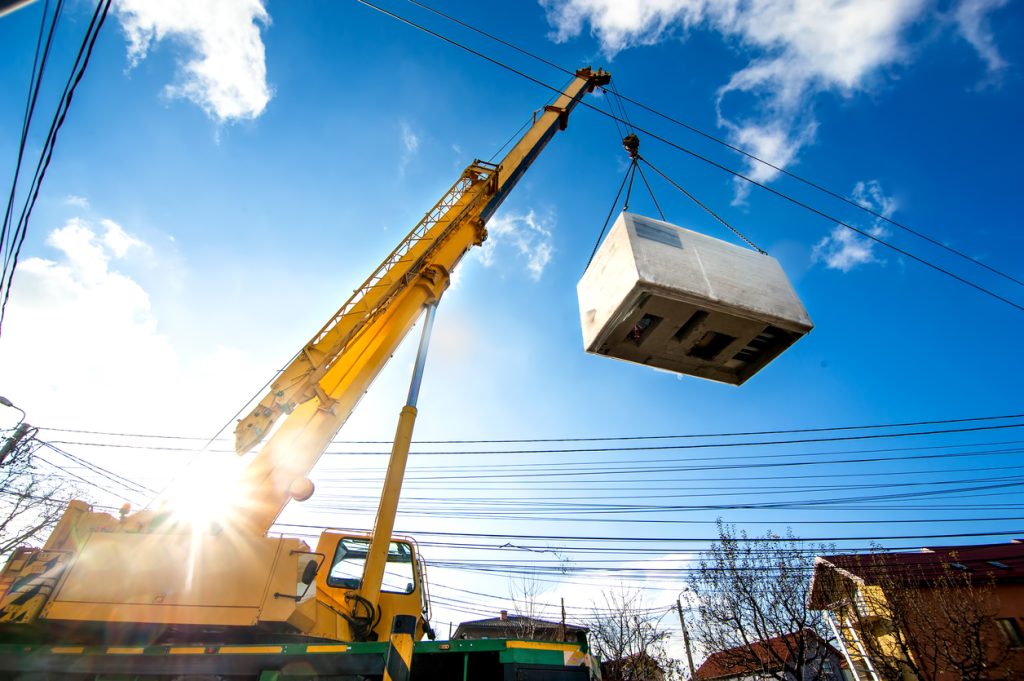
Our experienced New York construction accident lawyers help injured workers and their families understand their rights after serious job site injuries. Whether the accident happened on a high-rise project in Manhattan, a roadway construction site in Queens, a renovation project in Brooklyn, a commercial development on Long Island, or a construction zone anywhere in New York State, the key questions are often the same: Who was responsible for safety? What rules were violated? What benefits are available? Can the injured worker pursue compensation beyond workers’ compensation?
Construction injury claims require careful investigation. A case may involve a scaffold collapse, ladder fall, trench collapse, crane accident, falling object, defective tool, unsafe excavation, forklift incident, electrocution, toxic exposure, or another preventable hazard. In many situations, the injured worker may qualify for workers’ compensation benefits while also having a separate claim against an owner, general contractor, subcontractor, equipment manufacturer, property manager, or other third party.
If you or a loved one was hurt on a job site, do not assume that workers’ compensation is the only possible source of recovery. A New York construction accident attorney can examine the facts, identify every liable party, preserve critical evidence, and help pursue compensation for medical care, lost income, reduced earning capacity, pain and suffering, disability, and other losses allowed by law.
To discuss your case, contact our New York construction accident lawyers for a Free Consultation. Call (800) 525-6386 today to learn more about your legal rights and the steps you may need to take.
Construction sites throughout New York are fast-moving, crowded, and dangerous when safety rules are ignored. A single project may involve demolition crews, electricians, plumbers, steelworkers, crane operators, elevator contractors, painters, roofers, delivery drivers, engineers, architects, inspectors, and subcontractors working in the same limited space. When communication breaks down or safety procedures are rushed, serious injuries can happen in seconds.
New York construction projects often involve height, heavy machinery, confined spaces, falling materials, electrical systems, power tools, trenches, temporary platforms, hoists, and exposed structural areas. These hazards are not unusual in construction, but they must be managed carefully. Owners, contractors, subcontractors, and supervisors may be responsible for providing safe equipment, proper fall protection, training, warnings, inspections, and a job site layout that reduces foreseeable risks.
Common hazards on New York construction sites include:
Elevated Platforms, Ladders, and Scaffolding
Falls remain one of the most serious risks in construction. Workers on scaffolds, ladders, lifts, roofs, bridges, platforms, and partially completed structures can suffer catastrophic injuries if proper fall protection is missing or defective. Missing guardrails, unsecured planks, unstable ladders, improper harness systems, and poorly assembled scaffolds can all lead to severe harm.
New York has specific legal protections for many elevation-related construction accidents. These cases often require immediate investigation because defendants may argue about whether the work qualifies, whether the device was adequate, whether the worker was exposed to an elevation risk, and whether a safety violation caused the injury.
Trenches and Excavations
Trench collapses are often fatal or life-threatening. Soil can cave in suddenly, trapping workers under thousands of pounds of pressure. Proper trench boxes, shoring, sloping, inspections, and access points are critical. In New York, excavation work is especially dangerous when contractors ignore changing soil conditions, water accumulation, nearby vibrations, heavy equipment movement, or the absence of a competent safety supervisor.
Cranes, Hoists, Forklifts, and Heavy Equipment
Cranes, forklifts, bulldozers, excavators, loaders, and hoists can cause devastating injuries when operators are not properly trained, loads are not secured, equipment is poorly maintained, or workers are placed in unsafe zones. A crane collapse, dropped load, forklift rollover, or struck-by incident can cause traumatic brain injury, spinal cord damage, crush injuries, amputations, or wrongful death.
Electrical Hazards
Construction workers may be exposed to live wires, temporary power systems, overhead lines, faulty extension cords, ungrounded equipment, and improperly locked-out machinery. Electrical injuries can cause burns, cardiac damage, nerve injuries, loss of consciousness, falls, and fatal electrocution. These cases often require examination of power shutoff procedures, lockout/tagout practices, site drawings, contractor responsibilities, and inspection records.
Falling Objects and Debris
Tools, beams, bricks, materials, buckets, panels, and equipment can fall from higher levels and strike workers below. Hard hats reduce some risk, but they cannot prevent all harm from heavy falling objects. Proper toe boards, debris nets, overhead protection, controlled access zones, and secured materials are essential on multi-level job sites.
Defective Tools and Equipment
A construction accident may be caused by a defective saw, drill, nail gun, scaffold component, ladder, harness, lift, hoist, crane part, guard, brake system, or power tool. When a product defect contributes to the injury, the manufacturer, distributor, rental company, maintenance contractor, or seller may be part of the claim.
Toxic Exposure and Hazardous Materials
Construction workers may encounter asbestos, silica dust, lead paint, solvents, welding fumes, mold, fuel, chemical cleaners, and other hazardous substances. Some exposure injuries appear immediately. Others develop over time. These claims require careful medical and occupational history because the connection between the exposure and the condition may be disputed.
A New York construction accident lawyer can help identify what went wrong and whether the accident involved a violation of safety rules, New York Labor Law, OSHA standards, the Industrial Code, or ordinary negligence principles.
Construction accidents can happen in many ways. Some are sudden and obvious, such as a fall from a scaffold. Others involve gradual exposure, repeated unsafe practices, or equipment failures that could have been prevented with proper inspection and maintenance.
Common construction accidents in New York include:
Falls From Heights
Falls from scaffolds, ladders, roofs, platforms, stairways, lifts, beams, bridges, and unfinished floors are among the most serious construction accidents. These cases often involve missing fall protection, unsafe ladders, defective scaffolds, unsecured harnesses, inadequate anchor points, wet surfaces, unstable platforms, or pressure to work quickly despite unsafe conditions.
Scaffold and Ladder Accidents
New York construction projects frequently rely on ladders and scaffolds. When these devices are not properly constructed, secured, inspected, or maintained, workers may fall and suffer severe injuries. A scaffold may collapse. A ladder may shift. A plank may break. A worker may be given the wrong device for the job. These facts can be central to a New York Labor Law claim.
Struck-by Accidents
Workers can be struck by falling materials, swinging loads, reversing vehicles, cranes, forklifts, or debris from demolition work. Struck-by accidents often involve communication failures, poor signaling, missing barricades, overloaded hoists, unsafe material storage, or inadequate traffic control.
Caught-in or Caught-between Accidents
A worker may be pinned between equipment and a wall, trapped under a collapsed trench, caught in machinery, or crushed between moving materials. These accidents frequently lead to crush injuries, amputations, internal injuries, and death.
Electrocutions
Electrocution can occur when workers contact live wires, defective tools, temporary power lines, overhead electrical systems, or equipment that was not properly de-energized. Electrical injuries often involve multiple parties, including electrical subcontractors, general contractors, property owners, utility companies, and equipment manufacturers.
Crane and Hoist Accidents
Crane and hoist accidents are among the most complex construction injury cases. They may involve operator error, poor communication, improper rigging, defective components, overloads, unstable ground, skipped inspections, high winds, or violations of lift plans. These cases often require engineering experts, maintenance records, operator certifications, site safety logs, and witness testimony.
Trench Collapses
Excavation accidents can cause suffocation, crushing, broken bones, spinal injuries, brain damage, and death. Even a shallow trench can become deadly if protective systems are missing. Contractors must account for soil type, water, vibrations, nearby loads, and changing job site conditions.
Fires and Explosions
Fires and explosions can result from gas leaks, fuel storage failures, welding work, electrical defects, chemical exposure, or improper handling of flammable materials. Burn injuries can require skin grafts, long hospitalizations, infection treatment, reconstructive surgery, and lifelong care.
Slip, Trip, and Fall Accidents
Construction sites often contain uneven surfaces, scattered materials, loose cords, poor lighting, wet flooring, debris, uncovered holes, and temporary walkways. These conditions can cause fractures, back injuries, knee injuries, head injuries, and shoulder injuries. While some slip-and-fall accidents are less severe than falls from elevation, many still lead to long-term disability.
Toxic Exposure
Exposure to asbestos, lead, silica dust, carbon monoxide, solvents, or other hazardous substances can cause serious respiratory, neurological, and systemic injuries. These cases may involve industrial hygiene experts, medical specialists, safety records, and proof that adequate ventilation, respirators, warnings, or containment procedures were not provided.
New York construction accident attorneys can evaluate the facts and determine whether the case should involve workers’ compensation, a Labor Law claim, a third-party negligence claim, a product liability claim, or a combination of legal avenues.
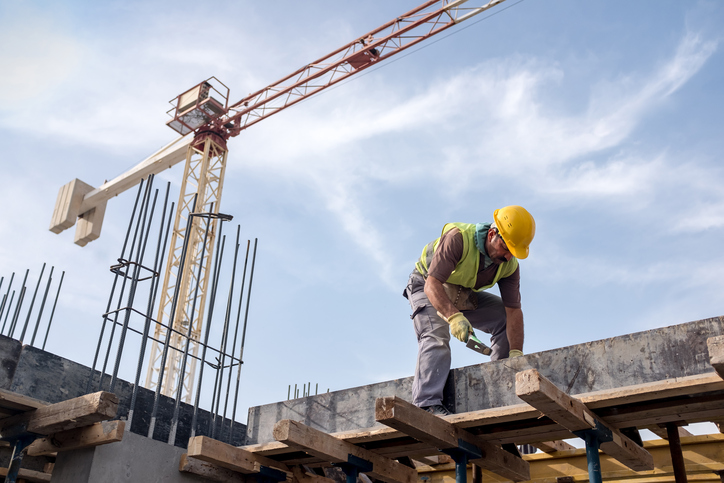
Construction accidents are rarely random. Most serious injuries result from preventable failures. A project may be behind schedule. A subcontractor may cut corners. A supervisor may ignore complaints. Equipment may be used after workers report problems. Safety meetings may be skipped. Workers may be sent into dangerous areas without proper training or protective equipment.
Common causes of construction accidents include:
Inadequate Training
Workers must be trained for the tasks they are assigned. A new employee should not be asked to operate machinery, work at height, enter a trench, handle chemicals, or use specialized tools without proper instruction. Inadequate training can expose workers and everyone around them to serious danger.
Missing or Defective Safety Equipment
Harnesses, lifelines, guardrails, helmets, goggles, gloves, respirators, protective footwear, safety nets, and warning systems exist for a reason. If safety equipment is not provided, is defective, or is not suited to the job, preventable injuries can occur.
Poor Communication
Construction sites require coordination. Crane operators need signals. Drivers need spotters. Workers need warnings before power is activated. Crews need to know when demolition, welding, excavation, or overhead work is underway. A failure to communicate can place workers directly in harm’s way.
Rushed Work and Unsafe Deadlines
Pressure to complete a project quickly can lead to skipped inspections, ignored hazards, inadequate cleanup, unsafe shortcuts, and workers being pushed to continue despite dangerous conditions. Speed never justifies sacrificing safety.
Neglected Maintenance
Machinery, tools, ladders, scaffolds, hoists, vehicles, and safety devices must be inspected and maintained. Worn brakes, cracked ladders, frayed cables, broken guards, damaged harnesses, and malfunctioning controls can turn ordinary work into a life-threatening situation.
Unsafe Job Site Layout
A poorly organized construction site increases the risk of injury. Walkways may be blocked. Materials may be stacked unsafely. Vehicles may move through pedestrian work zones. Holes may be uncovered. Electrical cords may cross high-traffic areas. Proper site planning can prevent many accidents.
Failure to Follow Safety Regulations
OSHA rules, New York Labor Law, the Industrial Code, building codes, and project safety plans may all apply to a construction site. When owners, contractors, or subcontractors ignore these standards, the violation may become important evidence in a legal claim.
Hypothetical Example: A worker on a Manhattan renovation project is asked to install materials from an elevated platform. The platform lacks proper guardrails, the worker is not given a suitable harness system, and the site supervisor knows the job is behind schedule. The worker falls and suffers spinal injuries. Investigation later shows that safer equipment was available but not used. In a situation like this, the worker may have a workers’ compensation claim and may also have a New York Labor Law claim against responsible owners, contractors, or agents.
Construction site safety in New York involves several overlapping sources of responsibility. Federal OSHA standards apply to workplace safety. New York Labor Law creates additional protections in many construction, demolition, excavation, repair, cleaning, painting, and alteration cases. New York’s Industrial Code may also provide specific safety rules for certain construction activities.
OSHA Standards
OSHA establishes safety requirements for construction work nationwide. These standards address fall protection, scaffolding, ladders, excavation, cranes, personal protective equipment, electrical safety, hazard communication, and many other risks. OSHA violations can lead to citations and penalties. In a civil injury case, OSHA findings may also help show that a dangerous condition existed or that safety rules were not followed.
New York Labor Law § 200
New York Labor Law § 200 reflects the general duty to provide workers with reasonable and adequate protection for their health and safety. Claims under this section often resemble common-law negligence claims. They may involve unsafe methods of work, dangerous premises conditions, lack of supervision, or failure to correct known hazards.
New York Labor Law § 240
New York Labor Law § 240 is often called the Scaffold Law. It applies to many elevation-related construction accidents involving workers who fall from heights or are injured by falling objects because proper safety devices were not provided or were inadequate. These cases often involve scaffolds, ladders, hoists, stays, slings, hangers, pulleys, braces, ropes, and other elevation safety devices.
Labor Law § 240 claims can be powerful, but they are also heavily contested. Defendants may argue about whether the statute applies, whether the worker was engaged in covered work, whether a proper safety device was available, whether the worker was the sole cause of the accident, or whether the injury was truly elevation-related. Prompt investigation is critical.
New York Labor Law § 241
New York Labor Law § 241 applies to many construction, excavation, and demolition activities. Claims under § 241 often focus on whether a specific Industrial Code regulation was violated and whether that violation caused the accident. These cases may involve unsafe flooring, falling materials, excavation hazards, protective equipment failures, improper operation of machinery, or other specific safety failures.
New York Industrial Code
New York’s Industrial Code contains detailed rules for construction, demolition, excavation, scaffolding, hoisting, overhead hazards, safety harnesses, ladders, walkways, and other construction-related issues. In many Labor Law § 241 claims, identifying the correct Industrial Code violation can be central to proving liability.
Personal Protective Equipment
Protective gear is essential on construction sites. Depending on the job, workers may need hard hats, safety glasses, face shields, gloves, harnesses, lifelines, respirators, hearing protection, high-visibility clothing, and protective footwear. It is not enough to simply have PPE somewhere on site. Workers must receive the right equipment for the hazard, and they must be trained to use it properly.
Guardrails, Hole Covers, and Fall Protection
Open floors, elevator shafts, stairwells, roof edges, unprotected platforms, and floor holes are serious hazards. Proper covers, guardrails, safety nets, barricades, and fall arrest systems can prevent life-changing injuries. When these protections are missing, the failure may support a construction accident claim.
Lockout/Tagout Procedures
Equipment must be de-energized before certain repair, servicing, or maintenance work is performed. If machinery unexpectedly starts while a worker is repairing it, the result can be catastrophic. Proper lockout/tagout procedures help prevent electrocution, amputations, crushing, and other injuries.
Trenching and Excavation Safety
Excavation work must account for soil stability, water intrusion, nearby equipment, vibration, depth, access, and protective systems. Trench boxes, shoring, sloping, and regular inspections can prevent collapses. When contractors fail to provide proper excavation protection, workers can be buried or crushed within seconds.
A New York construction accident lawyer can review the safety rules that apply to your case and determine whether violations support a claim for compensation.
The moments after a construction accident can be chaotic. You may be in pain, confused, worried about your job, and unsure who to trust. The steps you take after the accident can affect both your medical recovery and your legal rights.
Seek Medical Attention Immediately
Your health comes first. Get emergency medical care if needed. Even if you believe the injury is minor, you should be evaluated by a medical professional. Some injuries, including concussions, internal bleeding, spinal trauma, soft tissue injuries, and nerve damage, may not be fully obvious right away.
Medical records also create a connection between the accident and your injuries. If there is a delay in treatment, insurance companies and defendants may argue that the injury was not serious or was caused by something else.
Notify Your Employer or Supervisor
In New York, injured workers should notify their employer or supervisor as soon as possible. Written notice is best because it creates a record. Include the date, time, location, how the accident happened, what body parts were injured, and who witnessed the incident.
File a Workers’ Compensation Claim
A construction worker injured on the job may need to file a workers’ compensation claim with the New York State Workers’ Compensation Board. Workers’ compensation can pay for medical treatment and partial wage replacement, but it does not usually compensate for pain and suffering. Filing correctly and on time matters.
Document the Scene
If you can safely do so, take photos or videos of the hazard that caused the accident. Capture the area from multiple angles. Photograph ladders, scaffolds, missing guardrails, machinery, debris, holes, cords, trenches, warning signs, lighting conditions, broken tools, and anything else relevant. If you are unable to take pictures, ask a trusted coworker to help.
Get Witness Information
Witnesses can be crucial. Get names, phone numbers, emails, job titles, employer names, and a short summary of what each person saw. Construction sites change quickly. A hazard may be repaired, moved, cleaned, or covered up after the accident. Witness testimony may help preserve the truth.
Report Unsafe Conditions
If there was a dangerous condition before the accident, write down who knew about it, when complaints were made, and whether anyone ignored the problem. Prior complaints can be powerful evidence.
Keep Medical and Wage Records
Save hospital records, doctor notes, imaging results, prescriptions, therapy records, mileage logs, pay stubs, tax records, union records, disability paperwork, and any correspondence from insurers. These documents help prove your damages.
Avoid Giving Recorded Statements Without Legal Guidance
Insurance adjusters may ask for recorded statements soon after the accident. Be careful. Anything you say can be used to minimize your claim. You may be in pain, medicated, overwhelmed, or unaware of all the facts. Speak carefully and avoid guessing.
Do Not Post About the Accident on Social Media
Insurance companies and defense attorneys may review social media. Photos, comments, check-ins, or casual statements can be taken out of context. Avoid discussing your accident, injuries, work status, activities, or legal case online.
Contact a New York Construction Accident Attorney
Construction accident claims can involve multiple defendants, deadlines, insurance policies, safety regulations, and legal theories. Attorneys can preserve evidence, send notice letters, investigate the job site, identify liable parties, and protect your rights while you focus on recovery.
Construction accident cases are often complex because many different companies may share responsibility for site safety. The injured worker’s direct employer may be protected by workers’ compensation exclusivity in many circumstances, but other parties may still be liable.
Potential defendants may include:
Property Owners
Owners may be responsible under New York Labor Law, premises liability principles, or other legal theories when unsafe conditions or covered construction activities cause injury. In many Labor Law cases, owners can face liability even if they did not directly supervise the injured worker’s day-to-day activities.
General Contractors
General contractors often coordinate the project and may control safety planning, subcontractor work, inspections, equipment, schedules, and access to hazardous areas. Depending on the facts, a general contractor may be liable under Labor Law § 200, § 240, § 241, common-law negligence, or contractual obligations.
Subcontractors
A subcontractor may create a hazardous condition or perform work in a way that injures another trade’s worker. For example, an electrical subcontractor may leave live wires exposed, a demolition subcontractor may drop debris, or a masonry subcontractor may fail to secure materials.
Construction Managers
Construction managers may have safety responsibilities depending on their contract and actual role on the project. If a construction manager controls work sequencing, site safety, inspections, or coordination, it may become part of the liability analysis.
Equipment Manufacturers
If a defective tool, machine, scaffold component, ladder, harness, crane part, forklift, lift, or safety device caused the injury, a product liability claim may be available against the manufacturer, distributor, seller, rental company, or maintenance provider.
Architects and Engineers
Design professionals may be liable when negligent plans, structural defects, unsafe specifications, or engineering errors contribute to a collapse, failure, or dangerous condition.
Delivery Companies and Drivers
Construction zones often involve deliveries of steel, concrete, lumber, equipment, tools, and supplies. A negligent driver may strike a worker, drop a load, block visibility, or create a hazardous traffic condition.
Safety Consultants or Inspectors
Some projects use outside safety consultants. If a consultant assumes responsibility for identifying hazards and fails to address obvious dangers, that role may need to be investigated.
Hypothetical Example: A worker in Queens is injured when a hoisted load breaks loose and falls from above. The worker’s employer provides workers’ compensation benefits. Investigation shows that the general contractor failed to enforce overhead protection rules, a subcontractor overloaded the hoist, and a maintenance company skipped required inspections. The injured worker may have a workers’ compensation claim and separate third-party claims against responsible parties.
To recover compensation beyond workers’ compensation, the injured worker generally must prove that another party is legally responsible. The exact proof depends on the type of claim.
New York Labor Law Claims
Labor Law claims can be especially important in construction accident cases. A Labor Law § 240 claim may focus on whether proper elevation safety devices were provided. A Labor Law § 241 claim may require proof that a specific Industrial Code rule was violated. A Labor Law § 200 claim may focus on unsafe work methods, defective conditions, notice, control, or supervision.
Negligence
A traditional negligence claim usually requires proof of duty, breach, causation, and damages. In simple terms, the injured worker must show that the defendant had a responsibility to act safely, failed to do so, caused the injury, and caused measurable harm.
Premises Liability
If a dangerous property condition caused the accident, premises liability principles may apply. The injured worker may need to show that the owner or controlling party knew or should have known about the hazard and failed to fix it or warn about it.
Product Liability
If defective equipment caused the accident, the claim may involve design defect, manufacturing defect, failure to warn, negligent maintenance, or breach of warranty. Product liability cases often require expert analysis and preservation of the defective product.
Evidence Used to Prove Liability
Strong construction accident cases often depend on detailed evidence, including:
Incident reports
Photographs and videos
Witness statements
OSHA records
Site safety plans
Daily logs
Toolbox talk records
Inspection reports
Maintenance logs
Training records
Subcontractor agreements
Insurance documents
Architectural and engineering plans
Industrial Code provisions
Expert opinions
Medical records
Accident reconstruction analysis
The earlier this evidence is preserved, the stronger the case may become. Construction sites change quickly. Equipment may be repaired. Hazards may be removed. Workers may move to new projects. Companies may deny responsibility. Prompt legal action helps prevent important proof from disappearing.
New York follows a pure comparative negligence system in many personal injury cases. This means an injured person’s own percentage of fault may reduce the compensation recovered, but it does not necessarily eliminate the claim entirely.
For example, if a worker is found 25 percent responsible for an accident and total damages are $1,000,000, the recovery may be reduced by 25 percent. The worker would recover $750,000.
However, construction accident cases involving New York Labor Law can be different. In some Labor Law § 240 cases, defendants may not be able to reduce liability simply by arguing that the worker was careless if a statutory violation caused the elevation-related injury. Instead, defendants may argue that the worker was the sole proximate cause of the accident. That is a different and fact-specific defense.
Because these rules are complex, it is important to have a New York construction accident attorney review the facts carefully.
Construction accidents can cause minor injuries, but many cases involve severe, permanent, or fatal harm. The physical, emotional, and financial consequences may last for years.

Common injuries include:
Traumatic Brain Injuries
A traumatic brain injury can occur when a worker falls, is struck by a falling object, is involved in an equipment accident, or suffers a blast injury. Symptoms may include headaches, memory problems, confusion, dizziness, mood changes, vision issues, sleep disruption, and cognitive impairment. Severe brain injuries can prevent a worker from returning to construction work or living independently.
Spinal Cord Injuries
Falls, collapses, struck-by accidents, and machinery incidents can damage the spinal cord. A worker may suffer partial paralysis, paraplegia, quadriplegia, nerve pain, loss of mobility, or loss of bodily function. These injuries often require lifelong medical care, home modifications, wheelchairs, and assistive technology.
Broken Bones and Fractures
Fractures are common in falls, crush injuries, and equipment accidents. A broken arm, leg, ankle, wrist, hip, rib, or vertebra may require surgery, hardware, physical therapy, and long periods away from work. Some fractures never heal fully.
Crush Injuries
Crush injuries may involve heavy machinery, trench collapses, falling materials, vehicles, or structural failures. These injuries can cause nerve damage, organ damage, vascular injury, compartment syndrome, amputation, and death.
Amputations
Power tools, machinery, crush accidents, and severe trauma can result in partial or complete amputation of fingers, hands, arms, toes, feet, or legs. Amputation injuries involve physical pain, psychological trauma, prosthetics, rehabilitation, and major life adjustments.
Burns
Construction fires, explosions, electrical accidents, chemical exposure, and hot materials can cause severe burns. Burn victims may need skin grafts, infection treatment, reconstructive surgery, and long-term pain management.
Respiratory Injuries
Workers exposed to asbestos, silica, smoke, chemicals, fumes, or dust may suffer serious respiratory conditions. Some conditions develop gradually, making the timeline and cause more difficult to prove.
Eye and Vision Injuries
Flying debris, chemicals, sparks, tools, and explosions can cause eye injuries or vision loss. Proper eye protection is essential, but it is not always provided or used correctly.
Hearing Loss
Construction workers may be exposed to loud equipment, explosions, demolition activity, and repetitive noise. Hearing loss can affect communication, safety, work ability, and quality of life.
Psychological Trauma
A severe construction accident can cause anxiety, depression, post-traumatic stress disorder, nightmares, panic attacks, and fear of returning to work. Emotional harm should not be ignored, especially when the accident was violent, life-threatening, or involved the death of a coworker.
The compensation available depends on the type of claim. Workers’ compensation provides certain benefits regardless of fault, but it is limited. A third-party lawsuit or Labor Law claim may allow broader recovery.
Potential damages may include:
Medical Expenses
Medical damages may include ambulance care, emergency room treatment, hospitalization, surgery, doctor visits, medications, imaging, therapy, rehabilitation, pain management, medical devices, home health care, and future treatment.
Lost Wages
If the injury prevents the worker from earning income, lost wages may be part of the claim. Workers’ compensation may cover part of wage loss, while a third-party claim may seek additional lost income depending on the facts.
Loss of Earning Capacity
Some injured workers cannot return to construction work. Others may return with restrictions, reduced hours, lower pay, or a different job. Loss of earning capacity may be one of the most valuable parts of a serious injury case.
Future Medical Care
Catastrophic injuries may require future surgeries, therapy, medication, medical equipment, home modifications, transportation assistance, and long-term care. These costs must be considered before settlement.
Pain and Suffering
A third-party lawsuit may allow compensation for physical pain, emotional suffering, loss of enjoyment of life, disability, disfigurement, and the daily burden of living with injury. Workers’ compensation alone generally does not provide pain and suffering damages.
Emotional Distress
Serious injuries can affect mental health. Anxiety, depression, trauma, fear, sleep problems, and loss of independence may be compensable in a third-party case when supported by evidence.
Scarring and Disfigurement
Burns, surgeries, amputations, lacerations, and crush injuries may leave permanent scars or disfigurement. These harms can affect self-image, employment, relationships, and daily life.
Wrongful Death Damages
If a construction accident causes death, surviving family members may have claims for wrongful death benefits, workers’ compensation death benefits, and possibly third-party claims. These cases require immediate attention because the legal deadlines and procedural requirements can be different.
Deadlines matter. Missing a deadline can destroy an otherwise strong case.
Personal Injury Lawsuits
Many New York personal injury claims must be filed within three years of the accident. This deadline may apply to negligence, Labor Law, premises liability, and many product liability cases.
Workers’ Compensation Claims
Injured workers should notify their employer promptly and generally should file a workers’ compensation claim with the New York State Workers’ Compensation Board within the required time. Delay can create problems with benefits.
Municipal or Public Entity Claims
If the accident involves a city, county, town, public authority, school district, public project, or other government-related defendant, special notice-of-claim rules may apply. In many cases, a notice of claim must be served within 90 days. Lawsuits against municipal defendants may also have shorter deadlines than ordinary personal injury claims.
Toxic Exposure and Latent Injury Cases
Some exposure-related injuries are not discovered immediately. Special rules may apply when an injury is caused by latent effects of exposure to a harmful substance. These cases should be reviewed quickly because the deadline may depend on when the injury was discovered or reasonably should have been discovered.
Why Early Action Matters
Even when the filing deadline seems far away, waiting can damage a case. Witnesses move. Memories fade. Equipment is repaired or destroyed. Construction sites change. Contractors leave. Surveillance footage may be overwritten. Safety records may become harder to obtain. Prompt investigation gives the injured worker the best chance to preserve evidence.
Many construction accident cases settle before trial. A settlement can provide compensation without the time, risk, and stress of a courtroom verdict. However, a quick settlement may not be fair if it fails to account for future medical treatment, lost earning capacity, pain and suffering, disability, and long-term care.
Benefits of Settlement
A settlement may provide faster financial recovery, reduce litigation stress, avoid trial uncertainty, and give the injured worker more control over the outcome.
Risks of Settling Too Early
The biggest danger is settling before the full extent of the injury is known. Once a release is signed, the injured worker generally cannot reopen the claim later because pain worsens, another surgery becomes necessary, or the worker cannot return to the same job.
Factors That Affect Settlement Value
Settlement value may depend on:
The severity of the injury
Whether surgery was required
Whether the worker can return to construction
Future medical needs
The strength of liability evidence
Whether Labor Law § 240 applies
Industrial Code violations
Comparative fault arguments
Insurance coverage
Number of defendants
Medical documentation
Expert opinions
Permanent disability
Pain and suffering
Lost earning capacity
The credibility of witnesses
The venue where the case is filed
If workers’ compensation benefits were paid, the workers’ compensation carrier may have a lien or reimbursement interest against part of a third-party recovery. This can affect the net amount the injured worker receives. A construction accident attorney can account for these issues during settlement negotiations.
Hypothetical Example: A Brooklyn construction worker falls from a ladder and suffers a fractured spine. The workers’ compensation carrier pays medical bills and partial wage benefits. The worker also files a Labor Law claim against the property owner and general contractor. The defense offers a settlement early, but the worker’s doctors have not yet determined whether another surgery will be needed. Accepting too quickly could leave the worker without enough money for future treatment. A careful case evaluation considers both current losses and long-term needs.
Workers’ Compensation in New York Construction Accidents
Workers’ compensation is often the first source of benefits after a construction injury. It is a no-fault system, meaning the injured worker generally does not need to prove that the employer was negligent. If the injury arose out of and in the course of employment, workers’ compensation may provide benefits.
What Workers’ Compensation May Cover
Workers’ compensation may provide:
Medical treatment
Partial wage replacement
Temporary disability benefits
Permanent disability benefits
Rehabilitation benefits
Death benefits for eligible dependents
What Workers’ Compensation Usually Does Not Cover
Workers’ compensation generally does not pay for pain and suffering. It may not fully replace lost wages. It may not fully account for reduced earning capacity, emotional distress, loss of enjoyment of life, or the full impact of a catastrophic injury.
The Exclusive Remedy Rule
In many cases, workers’ compensation prevents an injured employee from suing the direct employer for negligence. However, this does not always prevent claims against other responsible parties, such as owners, general contractors, subcontractors, manufacturers, drivers, or other third parties.
Third-Party Claims
A third-party claim may allow recovery beyond workers’ compensation. This is why it is important to investigate whether someone other than the direct employer contributed to the accident. In New York construction cases, third-party claims may involve Labor Law violations, negligence, premises liability, defective products, or unsafe work practices by another company.
After a serious accident, organization matters. The following steps may help protect your claim:
Keep copies of every medical record
Save all wage records and pay stubs
Track missed workdays
Keep a pain and symptom journal
Save photos of injuries and the accident scene
Write down witness names
Keep all letters from insurance companies
Do not sign documents you do not understand
Do not minimize symptoms to doctors
Follow medical instructions
Attend all appointments
Avoid social media posts about the accident
Keep receipts for out-of-pocket expenses
Document travel to medical appointments
Preserve damaged tools, equipment, clothing, or safety gear
Speak with a New York construction accident lawyer before settling
Litigation Timeline in a New York Construction Accident Case
Not every case goes to trial, but serious construction accident claims may proceed through litigation if the parties cannot reach a fair settlement.
Investigation
The case begins with investigation. Attorneys gather medical records, accident reports, site information, witness statements, photographs, contracts, safety records, insurance details, and evidence about who controlled the work.
Filing the Lawsuit
If a lawsuit is necessary, the injured worker files a complaint naming the responsible defendants and explaining the legal claims.
Service and Answers
The defendants are served and must respond. They may deny liability, blame other parties, raise defenses, or file motions.
Discovery
Discovery is the evidence-gathering stage. The parties exchange documents, answer written questions, produce records, and take depositions. In construction cases, discovery may involve project contracts, safety manuals, inspection records, training records, photographs, daily logs, and expert analysis.
Depositions
The injured worker, coworkers, supervisors, safety personnel, contractors, and other witnesses may testify under oath. Depositions help both sides understand the facts and evaluate settlement.
Expert Review
Experts may be needed to address construction safety, engineering, medicine, vocational loss, economics, life care planning, accident reconstruction, or product defects.
Motions
In some Labor Law cases, one side may ask the court to decide legal issues before trial. For example, a plaintiff may seek summary judgment on liability if the evidence shows a statutory violation caused the accident.
Mediation and Settlement Negotiations
Many cases resolve through negotiation or mediation. Mediation allows the parties to discuss settlement with the help of a neutral mediator.
Trial
If settlement is not reached, the case may proceed to trial. A judge or jury hears evidence, decides liability, evaluates damages, and determines compensation.
Appeals
After trial, either side may appeal certain legal rulings. Appeals can add significant time to the case.

A construction accident can leave an injured worker facing medical bills, lost income, pain, uncertainty, and pressure from insurance companies. Understanding the legal landscape can help protect your rights.
Important points to remember:
Construction sites are dangerous when safety rules are ignored. Falls, falling objects, trench collapses, electrocutions, crane accidents, equipment failures, and toxic exposures can cause catastrophic injuries.
Workers’ compensation may provide medical and wage benefits, but it may not fully compensate for pain and suffering, reduced earning capacity, or long-term harm.
New York Labor Law provides important protections for many construction workers, especially in elevation-related accidents, demolition, excavation, repair, alteration, painting, cleaning, and other covered work.
Potential defendants may include property owners, general contractors, construction managers, subcontractors, manufacturers, delivery companies, engineers, architects, or safety consultants.
Evidence disappears quickly. Photos, witness information, incident reports, equipment records, inspection logs, and site documents should be preserved as soon as possible.
New York deadlines can be strict. Many personal injury lawsuits have a three-year deadline, but workers’ compensation and municipal claims may involve different and shorter requirements.
Comparative negligence may reduce compensation in many cases, but Labor Law claims can involve special rules that require careful legal analysis.
Settlement offers should be reviewed cautiously. A quick offer may not account for future surgery, permanent restrictions, lost earning capacity, pain and suffering, or workers’ compensation liens.
The right legal team can make a major difference by investigating the accident, identifying all liable parties, proving damages, negotiating with insurers, and preparing the case for trial if necessary.

Our New York construction accident lawyers understand how devastating a job site injury can be. A serious construction accident can leave you unable to work, unable to support your family, and unsure how to pay for medical treatment. While you focus on healing, insurance companies, contractors, property owners, and defense lawyers may already be building their side of the case.
We help injured construction workers and families pursue the compensation they deserve. From investigating safety violations to identifying liable parties, calculating long-term damages, negotiating with insurers, and preparing cases for trial, our team is committed to protecting your rights.
If you were hurt in a scaffold accident, ladder fall, trench collapse, crane accident, forklift incident, electrocution, falling object accident, machinery injury, roadway construction accident, or another job site incident, you may have legal options beyond workers’ compensation.
Contact our New York construction accident lawyers today for a Free Consultation. Call (800) 525-6386 to discuss your case and learn how we can help you move forward.