
COMMITTED TO JUSTICE
in Detroit and Beyond



Being bitten by a dog can lead to serious wounds, infection, scarring, nerve damage, and lasting emotional trauma. If you or a loved one suffered injuries in a dog attack in New York, the experienced New York dog bite lawyers at Neumann Law Group are here to help. Dog bite cases can involve more than medical bills. They may raise questions about the dog’s history, the owner’s conduct, local leash rules, public health reporting, insurance coverage, and whether the attack could have been prevented.
New York dog bite law has changed in important ways. For years, many cases turned almost entirely on whether the dog had known “vicious propensities.” Today, victims may have more than one legal path. A claim may involve strict liability if the owner knew or should have known the dog was dangerous. It may also involve ordinary negligence if the owner failed to use reasonable care under the circumstances. That distinction matters because it can affect what must be proven, what defenses may be raised, and what damages may be available.

At Neumann Law Group, our team understands the physical, financial, and emotional toll a dog attack can take on victims and families. We work to investigate what happened, preserve evidence, communicate with insurance carriers, and pursue compensation for medical expenses, lost income, pain and suffering, emotional distress, scarring, and other losses where the law allows. Call (800) 525-6386 to arrange a Free Consultation and learn how we may assist in seeking justice for your injuries.
The minutes, hours, and days after a dog bite can be important for both health and legal reasons. A victim may be dealing with bleeding, shock, pain, infection concerns, fear of rabies exposure, and questions about who owns the dog. Careful action early can help protect your well-being and strengthen a future claim.
Seek Prompt Medical Care
Even a bite that looks manageable at first can become serious. Dog bites can drive bacteria deep into tissue, damage tendons or nerves, and leave puncture wounds that are more dangerous than they appear. Medical care is especially important if the wound is deep, bleeding heavily, located on the face or hand, caused by an unknown dog, or showing signs of infection.
A doctor can clean the wound, evaluate whether stitches are needed, determine whether a tetanus booster is appropriate, and assess rabies risk. Medical records also create important documentation. If a claim later arises, those records help connect the dog attack to the injuries, treatment, prescriptions, follow-up visits, missed work, and future medical needs.
Wash the Wound and Preserve Evidence
After a dog bite, wash the wound with soap and water as soon as possible, then seek medical guidance. Do not throw away torn clothing, bloody clothing, damaged personal items, or shoes worn during the attack. These items can help show the force of the incident and the nature of the injuries.
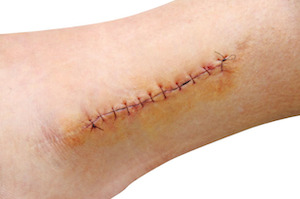
Photographs are also important. Take clear pictures of the bite marks, bruising, swelling, torn clothing, blood, bandages, and the location where the attack happened. If the injury changes over time, continue taking photos during healing. Follow-up images can show infection, scarring, skin grafts, stitches, surgical repairs, or long-term disfigurement.
Get the Dog Owner’s Information
If possible, obtain the dog owner’s name, address, phone number, and insurance information. Ask whether the dog is current on rabies vaccination and whether the dog has bitten, lunged at, growled at, chased, or attacked anyone before. If the owner refuses to cooperate, write down everything you can remember about the person, the dog, the location, and any vehicle or address connected to the dog.
If the dog is unknown, try to identify anyone who may know the animal or its owner. In New York City, dog-bite reporting can help the Health Department assess rabies risk and gather information. In other parts of New York, local health departments and animal control agencies can help determine the next steps.
Gather Witness Information
Witnesses can be critical in dog bite cases. A bystander may have seen whether the dog was off leash, whether the victim did anything to provoke the animal, whether the owner had control of the dog, or whether the dog acted aggressively before the bite.
Collect names, phone numbers, email addresses, and a short description of what each witness saw. This may include neighbors, delivery workers, store employees, park visitors, building staff, dog walkers, or people who previously observed the dog behaving aggressively. Witness accounts can become especially valuable if the owner later denies responsibility or claims the victim caused the incident.
Report the Bite
Dog bites should be reported to the proper local authority. In New York City, animal bites must be reported, and victims can report through 311 or the city’s online system. Outside New York City, victims should contact the local county health department or animal control agency. Reporting helps public health officials evaluate rabies exposure, confirm vaccination information, and create an official record of the incident.
A formal report can also help reveal whether the dog has a prior history. If animal control or the health department has earlier reports involving the same dog, that information may be important in proving the owner knew or should have known the dog posed a danger.
Avoid Giving Recorded Statements Without Legal Advice
Insurance adjusters may contact victims quickly. They may sound friendly and helpful, but their job is often to limit the insurer’s exposure. A statement made while you are in pain, medicated, or unsure of the facts can later be used against you. Avoid guessing, minimizing your injuries, or accepting blame. Before signing forms, giving recorded statements, or accepting a settlement, speak with a New York dog bite lawyer who can explain your rights.
Consult with a New York Dog Bite Lawyer
Dog bite cases in New York can involve strict liability, negligence, dangerous dog proceedings, premises liability, landlord issues, public health rules, and insurance disputes. A lawyer can help identify the correct legal theory, determine whether the owner or another party may be responsible, preserve evidence, and pursue the full damages available.
If you have questions about your rights after an attack, speaking with a dog bite lawyer in New York can help you understand the next steps.
New York dog bite law is not as simple as saying every dog gets “one free bite.” That phrase is misleading. A prior bite can be powerful evidence, but it is not the only evidence that matters. New York law considers whether the owner knew or should have known the dog had dangerous tendencies, and after a major 2025 change, courts may also consider whether the owner failed to act with reasonable care even apart from a prior bite.
Strict Liability for Known Vicious Propensities
Under New York law, a dog owner may be strictly liable when the owner knew or should have known that the dog had vicious propensities. “Vicious propensities” does not always mean the dog previously bit someone. Evidence may include prior attacks, snapping, growling, snarling, lunging, baring teeth, chasing people, being restrained in an unusual way, being kept away from visitors, or acting in a way that put others at risk.
This type of claim often focuses on notice. What did the owner know? What should the owner have known? Were there prior complaints? Did neighbors warn the owner? Had the dog attacked another animal? Did the dog repeatedly break through fences, charge at delivery workers, or threaten guests? The answers can determine whether strict liability applies.
Negligence Claims After New York’s 2025 Legal Shift
New York’s highest court has now recognized that victims may also pursue ordinary negligence claims for injuries caused by domestic animals. This is a major development. A victim may be able to argue that even if the dog had no formal bite history, the owner still failed to use reasonable care under the circumstances.
Examples may include allowing a dog to roam loose in a crowded area, ignoring leash rules, failing to secure a gate, letting a large excited dog rush guests, failing to control a dog in an apartment hallway, or bringing a poorly controlled dog into a place where people are likely to be close together. Negligence focuses on reasonable care. The core question is whether the owner acted as a reasonably careful person would have acted under the circumstances.
This gives dog bite victims a broader way to seek accountability. In some cases, a claim may include both strict liability and negligence. The strict liability claim may focus on the dog’s known dangerous tendencies. The negligence claim may focus on the owner’s careless handling, supervision, restraint, or failure to prevent foreseeable harm.
New York Agriculture and Markets Law § 123 and Dangerous Dogs
New York Agriculture and Markets Law § 123 provides procedures for dangerous dog complaints. A person who witnesses an attack or threatened attack may report the matter to a dog control officer or police officer. A complaint may also lead to a dangerous dog proceeding before a municipal judge or justice.
If a court finds that a dog is dangerous, the court may order several measures, including spaying or neutering, microchipping, evaluation by an animal behavior expert, secure humane confinement, leash restrictions, muzzling in public, or liability insurance. In more serious cases involving aggravating circumstances, the court may order permanent confinement or humane euthanasia.
The statute also addresses civil penalties and makes the owner or lawful custodian of a dangerous dog strictly liable for medical costs resulting from injuries caused by the dog, subject to statutory exceptions. This statutory framework can overlap with a victim’s civil lawsuit, but it is not the same thing as a personal injury claim for full damages. A civil case may still be necessary to pursue lost income, pain and suffering, scarring, emotional distress, and other losses.
Dog owners and insurance companies often raise defenses to reduce or avoid liability. A strong case anticipates those arguments early.
The Owner Claims There Was No Prior Bite
A lack of prior bite history does not automatically defeat a New York dog bite claim. Evidence of dangerous tendencies can include behavior short of biting. In addition, negligence may apply where the owner failed to use reasonable care. A dog does not necessarily need a documented history of biting for the owner’s conduct to be questioned.
The Owner Claims the Victim Provoked the Dog
Provocation is a common defense. The owner may argue that the victim teased, hit, startled, cornered, threatened, or mistreated the dog. The facts matter. An adult intentionally tormenting a dog is very different from a small child accidentally stepping near a dog or a delivery worker walking lawfully to a front door.
In child cases, provocation must be evaluated carefully. Young children may not understand canine behavior, warning signs, or the consequences of touching a dog’s ears, tail, or face. A lawyer can help challenge unfair provocation claims and gather evidence showing what really happened.
The Owner Claims the Victim Was Trespassing
A dog owner may argue that the victim had no right to be on the property. However, many people are lawfully present even when they are on private property. This may include invited guests, delivery workers, postal workers, utility workers, tenants, customers, contractors, and others with express or implied permission.
Property status can be complicated. A closed gate, warning sign, apartment hallway, commercial property, or shared building area can all raise different issues. A New York dog bite attorney can analyze whether the victim was lawfully present and whether the owner owed a duty of care.
The Owner Blames the Victim’s Conduct
New York follows comparative negligence principles. That means a victim’s own conduct may reduce damages if the victim is found partly responsible, but it does not automatically eliminate recovery in many personal injury cases. Insurance companies often try to use this rule to shift blame. They may argue the victim ignored warnings, approached the dog too quickly, ran away, reached over a fence, or failed to avoid an obvious danger.
These arguments should be tested against the evidence. Photographs, video, witness accounts, prior complaints, leash violations, and the dog’s history can help show that the owner’s conduct was the true cause of the attack.
New York dog bite cases may involve state law and local rules. Local leash laws, park regulations, apartment rules, building policies, and municipal animal-control ordinances can all matter.
Leash Laws and Public Spaces
Many New York municipalities require dogs to be leashed in public spaces except in designated off-leash areas. If a bite occurs because a dog was unleashed where leashes were required, that fact can support a negligence claim. In New York City, dog owners must also follow local rules governing parks, sidewalks, residential buildings, and public areas.
A dog that bites someone in a park, on a sidewalk, inside an apartment lobby, in an elevator, at a store, or near a school may raise questions about whether the owner violated local rules or failed to use reasonable control.
Apartment Buildings, Landlords, and Property Owners
Dog bite cases in New York often happen in apartment buildings, shared hallways, elevators, stairwells, courtyards, lobbies, and sidewalks outside residential properties. In some cases, a landlord, property manager, or building owner may be relevant if they knew a dangerous dog was being kept on the premises and had the ability to address the hazard.
These cases are fact-specific. A landlord is not automatically liable just because a tenant owns a dog. But liability may be considered if there were prior complaints, known aggressive conduct, building rule violations, repeated incidents in common areas, or a failure to act after notice of danger.
Stores, Restaurants, and Commercial Properties
Dog bites can also happen at commercial properties, including stores, outdoor dining areas, offices, hotels, veterinary facilities, grooming businesses, and dog-friendly venues. If a business allowed a dangerous or uncontrolled dog on the premises, failed to enforce rules, ignored complaints, or created unsafe conditions, there may be additional claims beyond the dog owner.
Commercial cases may involve multiple insurance policies. The dog owner’s renters or homeowners policy may be relevant, and the business’s general liability policy may also be examined depending on where and how the attack happened.
Child Victims in New York Dog Bite Cases
Children are especially vulnerable to dog bites. They are smaller, closer to a dog’s mouth, less able to defend themselves, and more likely to suffer facial wounds. A bite that might injure an adult’s hand or arm can cause devastating head, neck, or face injuries to a child.
Children may suffer deep facial lacerations, puncture wounds, eyelid injuries, ear injuries, nose injuries, scalp wounds, nerve damage, tissue loss, and permanent scarring. Some require emergency care, stitches, plastic surgery, scar revision, antibiotics, and long-term follow-up. Others experience nightmares, anxiety, fear of dogs, social withdrawal, or emotional trauma that lasts long after the physical wound closes.
Why Parents Should Act Quickly
Although New York law may provide tolling for minors in certain situations, families should not assume they can safely wait. Evidence disappears. Dogs may be moved. Owners may relocate. Surveillance footage may be erased. Witnesses may forget details. Medical photos taken immediately after the attack can be far more persuasive than descriptions given months later.
Parents should document injuries, preserve clothing, report the bite, gather witness information, and seek legal guidance early. Acting promptly can help protect the child’s medical, emotional, and financial future.
Settlements Involving Minors
When a child’s dog bite claim settles, additional legal protections may apply. Courts often require safeguards to ensure settlement funds are protected for the child. Future medical needs are especially important. A child with facial scarring may need additional procedures later as the child grows. A settlement should account for future treatment, counseling, scar revision, and long-term consequences where supported by medical evidence.
Common Injuries from Dog Bites
Dog bite injuries can vary widely. Some victims recover after brief treatment. Others face surgery, disability, disfigurement, infection, and long-term pain.
Deep Lacerations and Puncture Wounds
Dogs can cause jagged wounds that tear skin, muscle, and soft tissue. Puncture wounds may look small on the surface but can push bacteria deep into the body. These injuries may require cleaning, stitches, antibiotics, wound care, and follow-up visits.
Facial Injuries and Scarring
Facial bites are particularly serious. Victims may need plastic surgery, scar revision, laser treatment, or reconstructive procedures. Visible scars can affect confidence, employment, social life, and emotional well-being. Children are especially at risk for facial trauma because of their height and limited ability to protect themselves.
Nerve Damage
A dog’s teeth and jaw pressure can damage nerves in the face, hands, arms, legs, or feet. Nerve injuries may cause numbness, tingling, weakness, burning pain, loss of sensation, or impaired movement. In serious cases, nerve damage can affect work, hobbies, household tasks, and daily independence.
Tendon and Muscle Damage
Bites to the hands, wrists, arms, calves, and ankles can damage tendons and muscles. A victim may lose grip strength, range of motion, or the ability to perform fine motor tasks. Treatment may include surgery, splinting, occupational therapy, and long-term rehabilitation.
Broken Bones and Crush Injuries
Large dogs can knock victims down, break bones, or cause crush injuries. A person may suffer fractures in the hand, wrist, arm, hip, shoulder, or face. Falls caused by attacking dogs can also lead to head injuries, back injuries, and orthopedic trauma.
Infection
Dog bites carry infection risks. Bacteria can enter tissue through puncture wounds. Signs of infection may include redness, swelling, warmth, pus, fever, worsening pain, red streaking, or chills. Serious infections can require hospitalization, IV antibiotics, surgical cleaning, or additional procedures.
Psychological Injuries
The emotional aftermath of a dog attack can be severe. Victims may develop anxiety, nightmares, panic, flashbacks, fear of dogs, embarrassment over scars, depression, or post-traumatic stress symptoms. Children may become afraid to play outside, visit friends, walk to school, or enter places where dogs may be present.
The value of a dog bite claim depends on the facts, injuries, liability evidence, insurance coverage, and long-term impact on the victim’s life. Compensation may include both economic and non-economic damages.
Medical Expenses
Medical damages may include ambulance bills, emergency room care, urgent care, surgery, stitches, hospitalization, antibiotics, wound care, imaging, specialist visits, plastic surgery, scar revision, physical therapy, occupational therapy, counseling, and future medical care.
Lost Wages
If the victim misses work because of the bite, medical appointments, surgery, infection, pain, or emotional trauma, lost income may be recoverable. Documentation may include pay stubs, tax records, employer letters, time sheets, and medical restrictions.
Reduced Earning Capacity
Some injuries affect a person’s long-term ability to work. A chef, nurse, mechanic, construction worker, musician, dentist, hair stylist, warehouse employee, or office worker may face career disruption if a bite damages the hand, arm, face, mobility, or psychological well-being. Reduced earning capacity may be part of the claim when the injury affects future income.
Pain and Suffering
Pain and suffering damages address the human impact of the injury. Dog bite victims may experience intense pain during the attack, painful wound cleaning, surgery, infection, physical therapy, sleep disruption, and long-term discomfort. These losses should not be ignored simply because they are harder to measure than a medical bill.
Emotional Distress
A dog attack can leave a victim fearful, anxious, and traumatized. Emotional distress may include nightmares, panic attacks, fear of animals, social isolation, embarrassment, depression, and post-traumatic stress. Mental health treatment records, family testimony, and daily-life evidence can help show these losses.
Scarring and Disfigurement
Permanent scarring can be one of the most significant damages in a dog bite case. Scars on the face, neck, arms, hands, or legs may affect self-image, relationships, work, and daily confidence. Photographs over time, plastic surgery evaluations, and medical opinions can help document the full impact.
Future Care and Long-Term Needs
Some victims need future surgeries, scar revision, counseling, pain management, physical therapy, or occupational therapy. A settlement should not be based only on current bills if doctors expect future treatment. Once a case settles, the victim usually cannot return later for more money if complications worsen.
Insurance coverage often determines how compensation is paid. Many dog bite claims involve homeowners insurance, renters insurance, umbrella policies, commercial policies, or multiple insurers.
Homeowners and Renters Insurance
A dog owner’s homeowners or renters insurance may provide liability coverage for a dog bite. However, policies vary. Some exclude certain breeds, deny coverage for dogs with prior bite history, limit animal-related claims, or contain coverage caps. A lawyer can help identify available coverage and challenge improper denials.
Umbrella Policies
In serious injury cases, the owner may have an umbrella liability policy that provides additional coverage beyond the primary homeowners or renters policy. This can be important when the victim has major injuries, permanent scarring, surgery, disability, or long-term emotional harm.
Commercial Insurance
If the bite happened at a business, apartment building, hotel, restaurant, store, office, grooming facility, veterinary clinic, or other commercial property, commercial insurance may be relevant. The facts will determine whether the business, property owner, manager, or another party may share responsibility.
Dealing with Insurance Adjusters
Insurance adjusters may request medical records, photographs, statements, and authorizations. They may offer a quick settlement before the victim knows the full extent of injuries. Be careful. Early offers often fail to account for future treatment, scarring, psychological trauma, lost earning capacity, and long-term complications.
New York dog bite attorneys can gather documentation, calculate damages, negotiate with insurers, and prepare the case for litigation if the insurer refuses to make a fair offer.
Deadlines matter. In many New York personal injury cases, the statute of limitations is three years from the date of the injury. Dog bite victims should not wait until the deadline approaches. Evidence can disappear long before the filing period expires.
Claims Involving Minors
For minors, New York law may toll certain deadlines because the injured person is under a legal disability due to infancy. Even so, parents should act quickly to preserve evidence, document injuries, and protect the child’s claim. Waiting can make the case harder to prove.
Wrongful Death Cases
If a dog attack causes death, New York wrongful death rules may apply, and the deadline is different from an ordinary personal injury claim. These cases are extremely serious and should be reviewed promptly by an attorney because the proper party must bring the claim and damages must be documented carefully.
Claims Against Government Entities
If a dog bite involves a government entity, public property, a municipal shelter, a public housing authority, a police K-9, or another governmental defendant, shorter notice requirements may apply. These cases require immediate attention because missing a notice deadline can damage or destroy the claim.
Many dog bite cases in New York settle without trial. Settlement can help victims avoid prolonged litigation and obtain compensation faster. However, settlement should be approached carefully.
Benefits of Settlement
A fair settlement can provide money for medical bills, lost wages, future care, pain and suffering, and other losses. It can also reduce uncertainty and avoid the stress of trial. For victims facing financial pressure, settlement may provide needed relief.
Risks of Settling Too Early
A fast settlement can be dangerous if the victim’s medical future is unclear. Infection, nerve damage, scarring, emotional trauma, and the need for scar revision may not be fully understood right away. Once a release is signed, the victim generally gives up the right to seek more compensation for the same incident.
Building a Strong Settlement Demand
A strong demand package may include medical records, bills, photographs, witness statements, lost wage proof, expert opinions, psychological treatment records, plastic surgery evaluations, and evidence of the dog’s history. The more thoroughly the damages are documented, the harder it becomes for the insurer to minimize the claim.
When Litigation Becomes Necessary
If the insurer denies liability, disputes the dog’s history, blames the victim, minimizes injuries, or refuses to offer fair compensation, filing a lawsuit may be necessary. Litigation can uncover evidence through depositions, subpoenas, document requests, prior complaint records, building records, animal control files, and expert testimony.
The Unleashed Dog in a Public Park
A person is walking through a park when an unleashed dog runs across a path and bites their leg. If local rules required the dog to be leashed, the owner’s violation may support a negligence claim. If the dog had previously lunged at strangers or attacked another dog, strict liability may also be considered.
The Apartment Hallway Attack
A tenant exits an elevator when another resident’s dog pulls free and bites them. The claim may involve the dog owner’s failure to control the animal. If building management had prior complaints about the dog attacking or threatening residents in common areas, the property owner or manager may also need to be investigated.
The Child Bitten at a Family Gathering
A child visiting a relative is bitten in the face by a dog that had previously growled at children and was usually kept away from guests. The owner may argue the child provoked the dog, but the child’s age, behavior, and the dog’s known history are crucial. The claim may include medical costs, plastic surgery, counseling, pain and suffering, and future scar revision.
The Delivery Worker Bite
A delivery driver, postal worker, or service technician is bitten while lawfully approaching a home or business. The owner may claim the worker should not have entered the area, but many workers have implied permission to approach for delivery or service purposes. Evidence of prior aggressive behavior toward workers can be important.
The Known Dangerous Dog
A dog previously declared dangerous bites someone again after the owner fails to follow confinement, leash, or muzzle requirements. This can significantly strengthen the victim’s claim and may also lead to penalties or criminal consequences for the owner depending on the facts.
Civil and Criminal Consequences
Dog bite incidents can involve both civil and public safety consequences. A civil case seeks compensation for the victim. A dangerous dog proceeding or criminal matter may involve public safety orders, penalties, confinement requirements, or other consequences for the dog or owner.
A criminal charge or dangerous dog finding is not required for a civil claim. Likewise, the absence of criminal charges does not mean the owner is free from civil responsibility. Civil cases have different standards and different goals. The central question in a personal injury case is whether the owner or another responsible party should compensate the victim for the harm caused.
New York dog bite cases can become complicated quickly. The insurance company may deny the dog was dangerous, argue the victim provoked the dog, claim the victim was trespassing, dispute the extent of scarring, or insist the injuries healed quickly. Without legal guidance, victims may accept far less than the case is worth.
A dog bite lawyer can help by:
Investigating the attack and identifying all responsible parties.
Obtaining animal control reports, health department records, police reports, and prior complaints.
Interviewing witnesses and preserving surveillance footage.
Documenting medical expenses, lost income, pain, scarring, and emotional trauma.
Identifying homeowners, renters, umbrella, or commercial insurance coverage.
Handling insurance adjusters and settlement negotiations.
Filing a lawsuit when necessary to pursue full compensation.
If you or a loved one suffered a dog bite in New York, Neumann Law Group is ready to help you understand your rights and options. Dog attacks can leave victims with medical bills, missed work, permanent scars, fear, anxiety, and uncertainty about the future. You should not have to navigate the legal process alone while trying to heal.
Our New York dog bite lawyers can review the facts, explain the law, investigate the dog’s history, communicate with insurers, and pursue compensation for the full impact of the attack. Whether your case involves a child victim, a serious facial injury, an unleashed dog, an apartment building attack, a dangerous dog finding, or an insurance dispute, early legal help can make a meaningful difference.
Call (800) 525-6386 today to arrange a Free Consultation. The sooner you act, the easier it may be to preserve evidence, locate witnesses, document injuries, and build a strong claim for compensation.